AI Appraisal Estimate

AI-generated estimates · not official valuations

From the user

What was submitted

Photo and notes provided by the user — not generated by AI

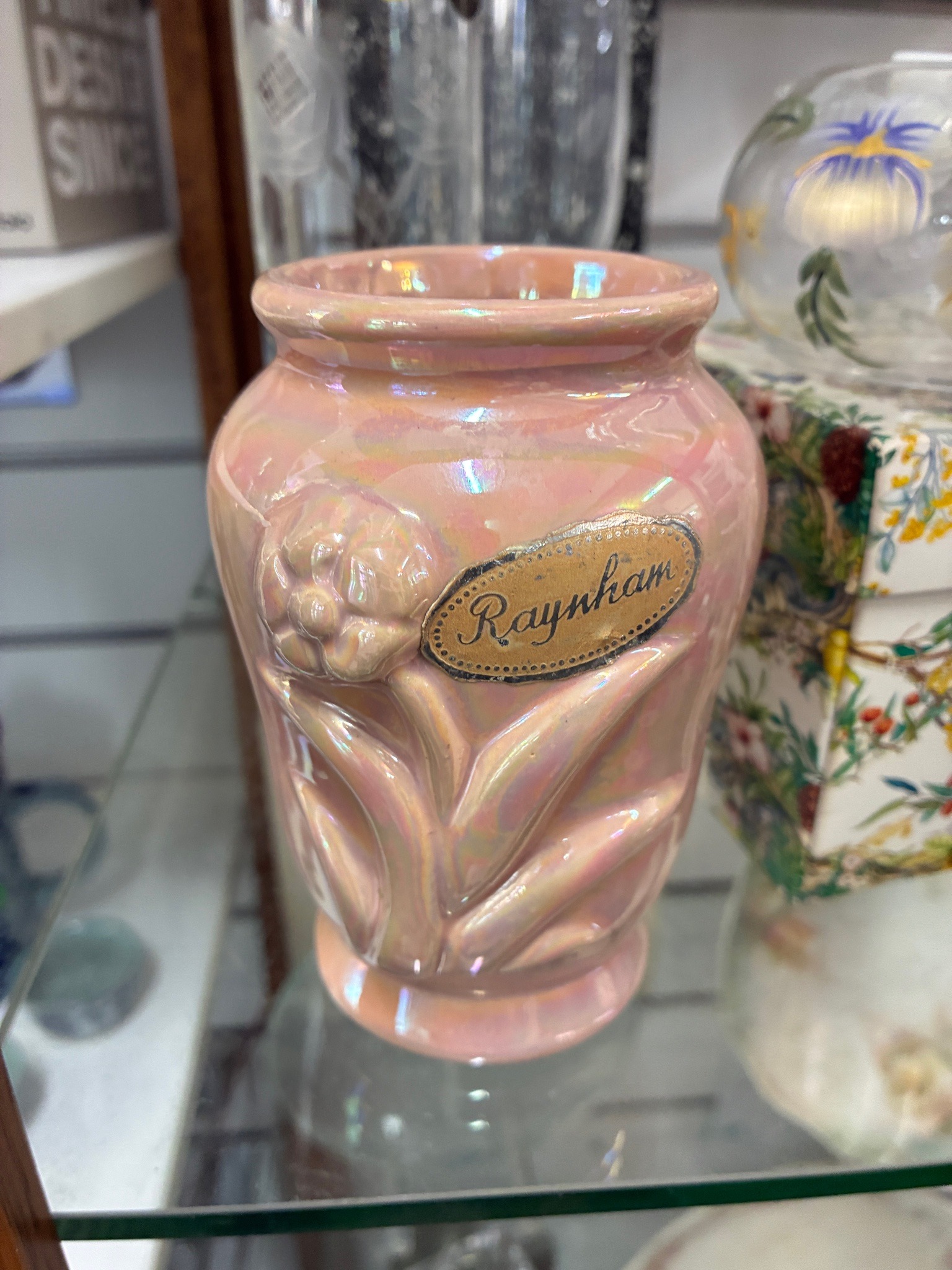
Submitted item photo
Submitted photo · June 1, 2026

User's notes

No additional notes provided.

AI analysis below

AI appraisal

AI analysis & estimate

AI-Generated · Verify before acting

Everything below is generated by AI for informational purposes only. AI can make mistakes — the AI may misidentify items or misattribute them (artist, maker, brand, designer, origin, era). This is not an official valuation and should not be used for insurance, sale, tax, estate, legal, or lending purposes — or any decision requiring a certified appraisal. It is not an authoritative claim about any person, brand, or rights holder — do not share or rely on it as a factual statement about a third party. Always consult qualified professionals before making financial decisions.

Read the full disclaimer

AI Identification

·Not independently authenticated·Verify before acting

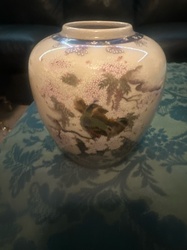
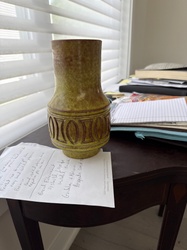
Iridescent ceramic vase with Raynham label

Ceramic Vases

AI Estimated Value

·Not an official valuation·Verify before acting

$45–$85

As of June 1, 2026

AI Item Analysis

·AI can make mistakes·Verify before acting
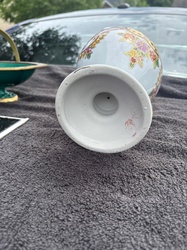
This small decorative ceramic vase features a lustrous pink iridescent or lusterware glaze, which reflects a spectrum of colors including blue, gold, and green when caught by light. The vessel is constructed with an urn-like shape, a flared rim, and a pedestal base. It displays a sculptural relief design of a floral motif, specifically a large flower resembling a carnation or peony emerging from long, blade-like leaves. Notably, the vase bears an oval foil or paper label that reads "Raynham" in a stylized script, which is consistent with the markings of the Australian pottery manufacturer active in the mid-20th century. The piece appears to be made from a molded earthenware or slip-cast ceramic. Stylistically, the luster finish and relief work are consistent with mid-century mantle vases or decorative 'lustreware' popular during the 1950s. While no significant cracks or large chips are visible from this angle, there is a minor mark or possible crazing near the top of the flower relief. The label itself shows some darkening and minor wear along the edges, which is typical for its age. Such labels are subject to being moved or reapplied, so while it appears to be a Raynham piece, this attribution is based on the visual presence of the label and stylistic consistency with Australian pottery of that era.
AI Appraisal Report

·AI can make mistakes·Verify before acting
Based on my visual examination of the provided image, this small lusterware vase appears to be consistent with Australian mid-century slip-cast ceramics. It bears a label attributed to Raynham, a manufacturer active in the mid-20th century. The iridescent pink glaze and stylized floral relief are characteristic of the 'mantel vase' aesthetic popular during this era. I can observe a lustrous surface that seems well-preserved, though I cannot definitively confirm the depth of any crazing or minor surface abrasions without a physical inspection. The label itself shows foxing and wear consistent with age, though labels can be reapplied and are not a substitute for a full provenance study. The value for Australian pottery of this period is currently driven by collectors of 'Retro' or 'Kitsch' decor. While Raynham pieces are recognizable, they were produced in significant quantities, which limits individual scarcity. My estimate of $45–$85 assumes the piece is an authentic Raynham product in good condition. If the item were found to be a contemporary reproduction or lacked the specific maker's attribution upon closer inspection, the value would likely decrease to the $15–$25 range. To provide a more precise valuation, I would need to verify the clay body beneath the glaze, inspect the base for incised marks that might be obscured by the label, and check for professional restorations under UV light. This appraisal reflects a working hypothesis based on visual evidence and would require in-person verification of the manufacturing techniques to confirm its origin.

Get your items appraised

Instant estimates of your treasures with AI-powered appraisals

Browse More Appraisals