AI Appraisal Estimate

AI-generated estimates · not official valuations

From the user

What was submitted

Photo and notes provided by the user — not generated by AI

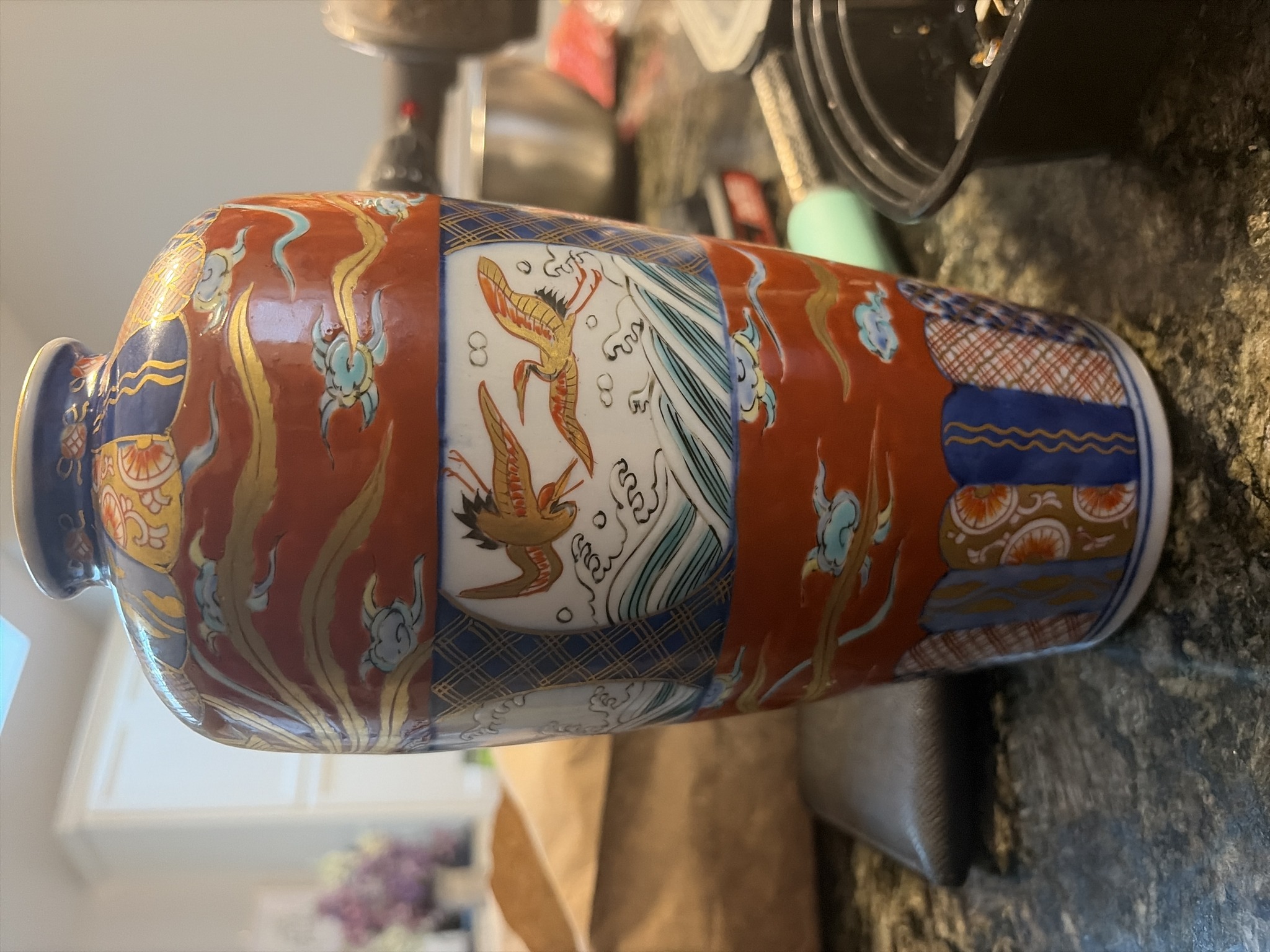
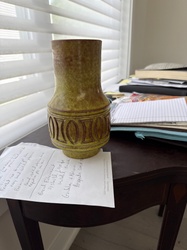
Submitted item photo
Submitted photo · June 13, 2026

User's notes

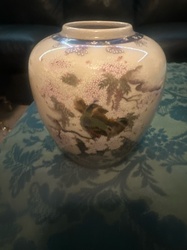
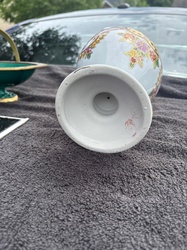
Japanese vase, hand made ceramic, gold gilding, 寿 mark on bottom, about 1.5ft tall, about 6 inches wide

AI analysis below

AI appraisal

AI analysis & estimate

AI-Generated · Verify before acting

Everything below is generated by AI for informational purposes only. AI can make mistakes — the AI may misidentify items or misattribute them (artist, maker, brand, designer, origin, era). This is not an official valuation and should not be used for insurance, sale, tax, estate, legal, or lending purposes — or any decision requiring a certified appraisal. It is not an authoritative claim about any person, brand, or rights holder — do not share or rely on it as a factual statement about a third party. Always consult qualified professionals before making financial decisions.

Note

This analysis also relies on unverified notes provided by the user, which may be incomplete or inaccurate and could affect the result.

Read the full disclaimer

AI Identification

·Not independently authenticated·Verify before acting

Japanese-style ceramic vase with crane and wave motifs

Ceramic Vases

AI Estimated Value

·Not an official valuation·Verify before acting

$150 - $350

As of June 13, 2026

AI Item Analysis

·AI can make mistakes·Verify before acting
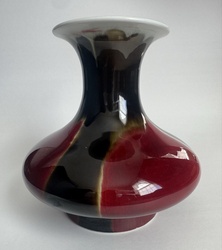
This ceramic vase appears to be stylistically consistent with Japanese Imari-style porcelain or Kutani-style pottery, featuring a vibrant polychrome palette dominated by iron-red, cobalt blue, and metallic gold accents. The central decoration consists of a rectangular reserves depicting flying cranes over stylized waves, a traditional theme symbolizing longevity. The surrounding ground is a rich rust-red color adorned with gold-colored flame or cloud-like wisps. The owner notes that the item is approximately 1.5 feet tall and 6 inches wide, and they identify a '寿' (Kotobuki) mark on the base, which traditionally signifies longevity or congratulations. This mark is not clearly visible in the provided image and remains unverified as a mark of a specific kiln or artisan. The construction suggests a tapered cylindrical form with a narrow neck and slightly flared rim. In terms of condition, the surfaces show visible reflections consistent with a high-gloss glaze, and some areas appear to have minor surface wear or rubbing on the gold gilding, typical of mid-to-late 20th-century decorative ceramics. The level of detail and color application is consistent with 20th-century mass-market or export-style Japanese ceramics rather than antique Edo or Meiji period wares, though an in-person inspection of the footrim and paste would be required for a more accurate era assessment.
AI Appraisal Report

·AI can make mistakes·Verify before acting
Based on the images and description provided, I have examined this Japanese-style ceramic vase. The piece exhibits characteristics associated with 20th-century showa-era or export-market wares, such as the vibrant polychrome palette and application of gold gilding. Per user submission, the item bears a '寿' (Kotobuki) mark; however, I cannot verify this mark or any specific kiln origin from the photo alone. While the motif of cranes and waves is a classic symbol of longevity, the execution appears consistent with mid-to-late 20th-century decorative production rather than rare antique periods. The estimate assumes the vase is a high-quality decorative piece from this era. Based on what I can see, the value is driven by its significant size (1.5 feet) and the popularity of the motif. However, surface wear on the gilding and potential glaze imperfections common in mass-market ceramics may limit the upper end of the valuation. This estimate is a hypothesis based on the assumption that the item is a genuine vintage Japanese ceramic; if it were determined to be a modern mass-produced resin or low-fired reproduction, the value would likely fall below $50. Conversely, if physical inspection by a specialist in Japanese ceramics were to reveal a rare artist's signature or specific kiln mark (such as Kutani or Imari) from an earlier period, the value could increase significantly. To confirm the origin and age, an in-person examination of the footrim's clay body and the specific application of the '寿' mark would be required, along with any available provenance documentation.

Related Tags

Explore similar items and categories

Get your items appraised

Instant estimates of your treasures with AI-powered appraisals

Browse More Appraisals