AI Appraisal Estimate

AI-generated estimates · not official valuations

From the user

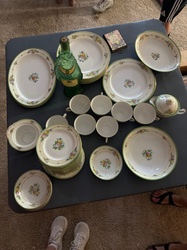
What was submitted

Photo and notes provided by the user — not generated by AI

Submitted item photo
Submitted photo · June 20, 2026

User's notes

No additional notes provided.

AI analysis below

AI appraisal

AI analysis & estimate

AI-Generated · Verify before acting

Everything below is generated by AI for informational purposes only. AI can make mistakes — the AI may misidentify items or misattribute them (artist, maker, brand, designer, origin, era). This is not an official valuation and should not be used for insurance, sale, tax, estate, legal, or lending purposes — or any decision requiring a certified appraisal. It is not an authoritative claim about any person, brand, or rights holder — do not share or rely on it as a factual statement about a third party. Always consult qualified professionals before making financial decisions.

Read the full disclaimer

AI Identification

·Not independently authenticated·Verify before acting

Bauscher Weiden Leaf-Shaped Porcelain Dish

Antique and Vintage Porcelain/Dinnerware

AI Estimated Value

·Not an official valuation·Verify before acting

$25.00 - $45.00

As of June 20, 2026

AI Item Analysis

·AI can make mistakes·Verify before acting
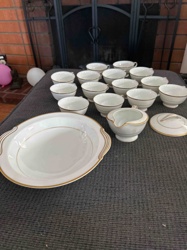
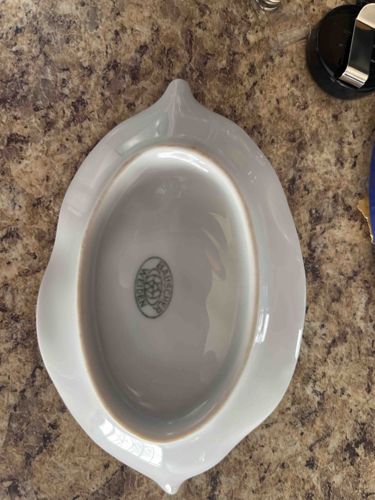
This item is a small, leaf-shaped porcelain dish featuring an elegant, organic silhouette with a scalloped or wavy edge and pointed ends that mimic a leaf tip and stem. It is constructed from high-quality vitreous white porcelain, typical of durable commercial or hotel-grade ceramics. The color is a crisp, clean white with a high-gloss glazed finish. The underside reveals a slightly recessed oval foot rim that is unglazed (biscuit) to provide stability and prevent sliding. Centered within this foot rim is a clear, dark green or black decorative stamp featuring the maker's logo—a stylized floral emblem surrounded by the words 'BAUSCHER' and 'WEIDEN'. This mark belongs to the renowned German manufacturer Bauscher, located in Weiden, Bavaria, known for producing robust and stylish porcelain since 1881. Based on the logo style and clean aesthetic, the piece likely dates from the mid-20th century to the late 20th century. The condition appears to be excellent with no visible chips, cracks, or crazing, though minor surface scratches from stacking or utility may be present upon closer inspection. The craftsmanship is refined, showing uniform thickness and a smooth, even glaze application, indicating professional industrial production for fine dining or hospitality use.
AI Appraisal Report

·AI can make mistakes·Verify before acting
I have virtually examined this porcelain leaf dish from Bauscher Weiden. The piece displays the characteristic hallmarks of high-quality German hotelware: a dense, vitreous white body and a superior glaze intended for heavy professional use. The 'BAUSCHER WEIDEN' backstamp is consistent with mid-to-late 20th-century production marks from the Bavaria-based factory. Based on the photographic evidence, the condition is excellent; the absence of visible ‘flea bites’ on the delicate scalloped edges and the lack of staining on the unglazed foot rim suggest minimal use. Market-wise, Bauscher is highly regarded for its durability but is produced on an industrial scale. Consequently, while the item is aesthetically pleasing and functional, it is not considered rare. Comparables for individual small serving pieces from this manufacturer typically realize between $20 and $50 in secondary markets like eBay or Etsy. The 'leaf' silhouette is a classic motif that maintains steady demand for collectors of botanical-themed dinnerware and those seeking mid-century modern hospitality aesthetics. Factors impacting value include the pristine white color and the specific Bavarian origin, which carries more weight than generic restaurant china. However, because this is an industrial product, there is a ceiling on its appreciate value compared to hand-painted Art Nouveau or Meissen porcelain. Limitation: This appraisal is based on visual data only. A physical inspection would be required to rule out internal stress fractures or microscopic crazing hidden by the high-gloss glaze. Full authentication would involve verifying the exact weight and 'ring' of the porcelain to ensure it is not a later reproduction, though the specific backstamp seen here appears entirely consistent with authentic period production.

Get your items appraised

Instant estimates of your treasures with AI-powered appraisals

Browse More Appraisals