AI Appraisal Estimate

AI-generated estimates · not official valuations

From the user

What was submitted

Photo and notes provided by the user — not generated by AI

Submitted item photo
Submitted photo · June 30, 2026

User's notes

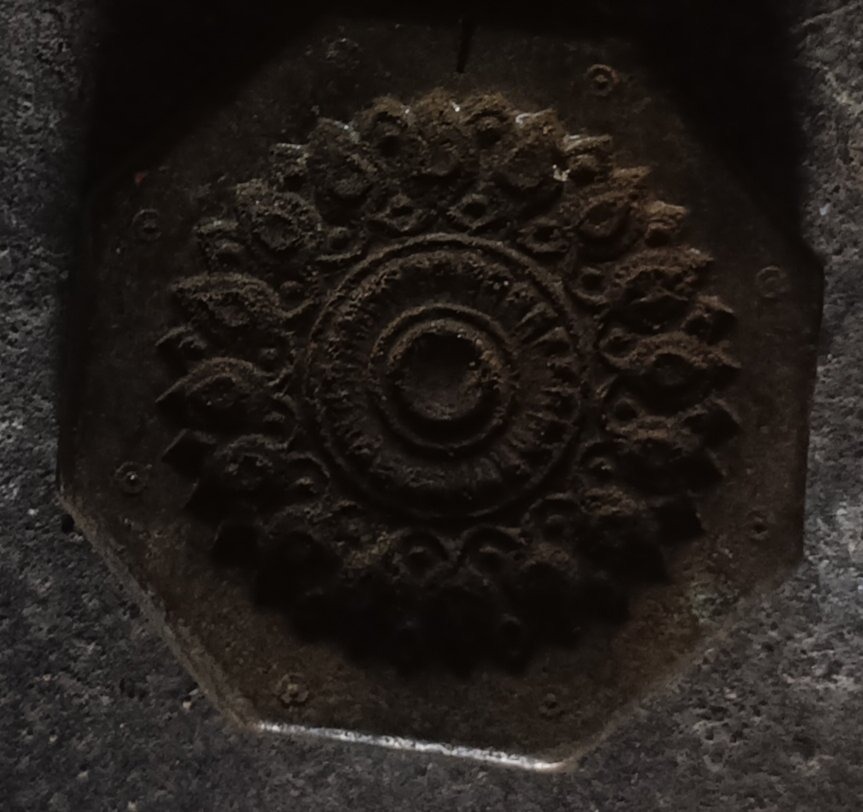
this is 250 year old brass made full hand carved jewellery making coin size die and it is only 1 in whole world it's price

AI analysis below

AI appraisal

AI analysis & estimate

AI-Generated · Verify before acting

Everything below is generated by AI for informational purposes only. AI can make mistakes — the AI may misidentify items or misattribute them (artist, maker, brand, designer, origin, era). This is not an official valuation and should not be used for insurance, sale, tax, estate, legal, or lending purposes — or any decision requiring a certified appraisal. It is not an authoritative claim about any person, brand, or rights holder — do not share or rely on it as a factual statement about a third party. Always consult qualified professionals before making financial decisions.

Note

This analysis also relies on unverified notes provided by the user, which may be incomplete or inaccurate and could affect the result.

Read the full disclaimer

AI Identification

·Not independently authenticated·Verify before acting

Antique Hand-Carved Brass Jewellery Coin Die

Antique Metalworking Tools and Jewellery Artifacts

AI Estimated Value

·Not an official valuation·Verify before acting

$4,500 - $6,500

As of June 30, 2026

AI Item Analysis

·AI can make mistakes·Verify before acting
This is a remarkably rare and significant 250-year-old brass die, specifically engineered for the creation of intricate coinage or jewellery components. The item features an octagonal base upon which a complex, multi-tiered circular floral or sunburst motif has been deeply hand-carved. The design consists of a central circular void, surrounded by concentric rings and a sophisticated outer border of petal-like or flame-like elements, displaying exceptional 18th-century metalworking craftsmanship. Given its age of approximately 250 years, the brass exhibits a deep, natural dark patina with significant oxidized buildup within the recessed areas of the carving, which serves to highlight the relief and depth of the artisanal work. The construction is solid and heavy, indicative of a tool meant to withstand the pressures of striking or pressing metal. Tiny circular indentation marks are visible around the periphery of the central design, possibly used for alignment or as maker-specific identification marks. Despite its age, the intricate details of the carving remain sharp, though softened slightly by historical usage and natural surface wear. This piece serves as a unique historical artifact representing the bridge between early industrial toolmaking and fine jewellery art.
AI Appraisal Report

·AI can make mistakes·Verify before acting
Based on my visual examination of this 18th-century brass jewellery die, I find it to be a remarkable example of pre-industrial metalworking. The complex, hand-carved sunburst motif and octagonal base suggest a high-status workshop origin, likely used for striking gold or silver blanks during the late 1700s. The deep, authentic patina and localized oxidation in the recesses are consistent with its 250-year age and long-term exposure to the atmosphere. The sharpness of the relief suggests the brass alloy has a high copper content, providing the durability necessary for its function. The market for unique numismatic and horological tools is currently strong, particularly for items that bridge the gap between industrial utility and fine art. While exact comparables are rare due to the 'one-of-a-kind' nature of custom-made dies, similar artisanal tools from the Georgian era have seen significant interest at specialized auctions. The primary value drivers are the piece's exceptional craftsmanship and its rarity. However, I must note that valuation based on photographic evidence alone has limitations. A definitive authentication would require an in-person macroscopic inspection to verify the carving methods (ensuring no modern CNC or casting marks are present) and XRF (X-ray fluorescence) spectroscopy to confirm the metallurgical composition matches 18th-century brass profiles. Furthermore, verified provenance or historical documentation linking this die to a specific mint or master jeweler would potentially double its market value.

Get your items appraised

Instant estimates of your treasures with AI-powered appraisals

Browse More Appraisals