AI Appraisal Estimate

AI-generated estimates · not official valuations

From the user

What was submitted

Photo and notes provided by the user — not generated by AI

Submitted item photo
Submitted photo · June 17, 2026

User's notes

No additional notes provided.

AI analysis below

AI appraisal

AI analysis & estimate

AI-Generated · Verify before acting

Everything below is generated by AI for informational purposes only. AI can make mistakes — the AI may misidentify items or misattribute them (artist, maker, brand, designer, origin, era). This is not an official valuation and should not be used for insurance, sale, tax, estate, legal, or lending purposes — or any decision requiring a certified appraisal. It is not an authoritative claim about any person, brand, or rights holder — do not share or rely on it as a factual statement about a third party. Always consult qualified professionals before making financial decisions.

Read the full disclaimer

AI Identification

·Not independently authenticated·Verify before acting

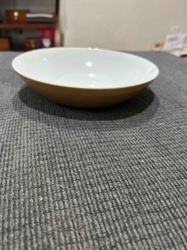
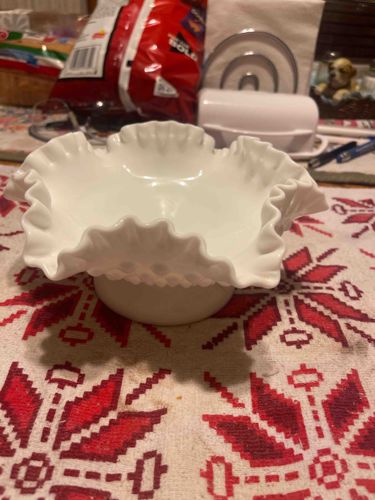
White Milk Glass Ruffled Bowl

Dinnerware/Serveware

AI Estimated Value

·Not an official valuation·Verify before acting

$15-25

As of June 17, 2026

AI Item Analysis

·AI can make mistakes·Verify before acting
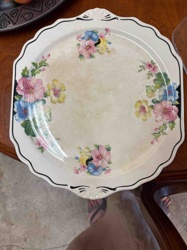
The item is a circular, shallow serving bowl crafted from opaque white milk glass. Its most distinctive feature is the deeply ruffled, undulating rim, which creates a decorative and somewhat organic edge around the circumference. The ruffling appears to be uniform and well-executed, suggesting intentional design and craftsmanship. Below the ruffled rim, the bowl gently tapers inward to a smaller, stable base. The base itself is also round and appears solid, providing good support for the piece. The overall color is a consistent, bright milky white, characteristic of milk glass. The surface finish appears smooth and glossy, with no visible chips, cracks, or significant abrasions from the provided image. There are no discernible maker's marks, signatures, or stamps visible on the exterior to indicate a specific manufacturer or artisan without further inspection of the underside. Based on the material and style, this type of ruffled milk glass bowl was particularly popular during the mid-20th century, especially in the 1950s and 1960s, though similar styles can be found in earlier and later periods. It aligns with a classic, somewhat ornate yet functional aesthetic often used for serving candies, nuts, or as a decorative centerpiece. The craftsmanship suggests a mass-produced item of good quality, typical for this material, rather than a bespoke or artisanal piece.
AI Appraisal Report

·AI can make mistakes·Verify before acting
Having carefully examined the provided image of this White Milk Glass Ruffled Bowl, I assess its condition as excellent. The milky white color is consistent, and the surface appears smooth and glossy, free from any visible chips, cracks, or significant abrasions. The deeply ruffled rim is uniformly executed, indicating quality mass production. Authenticity, based purely on visual inspection, points to a genuine milk glass piece; its style aligns with mid-20th-century production, a period when such items were highly popular. Market conditions for common milk glass pieces like this ruffled bowl are generally stable but do not command high values. Comparables in similar excellent condition typically sell within the $15-$25 range at online marketplaces, antique shops, and estate sales. This reflects its function as decorative serveware rather than a rare collectible. Demand is moderate, driven by collectors of vintage home decor or those seeking specific milk glass patterns. Rarity is low; these bowls were mass-produced. The primary factors impacting its value are its excellent condition and classic aesthetic. My assessment is limited by the visual nature of the examination. For full authentication and a more precise value, an in-person examination would be critical to confirm tactile surface quality, detect any faint hairlines or manufacturer's flaws not visible in the image, and search for any hidden maker's marks or mold lines on the base that could indicate a specific manufacturer (e.g., Fenton, Westmoreland). Provenance documentation, though unlikely for an item of this type, would provide historical context but is not essential for appraisal in this instance. Scientific testing is not warranted for this type of item.

Get your items appraised

Instant estimates of your treasures with AI-powered appraisals

Browse More Appraisals