AI Appraisal Estimate

AI-generated estimates · not official valuations

From the user

What was submitted

Photo and notes provided by the user — not generated by AI

Submitted item photo
Submitted photo · June 12, 2026

User's notes

Bowl

AI analysis below

AI appraisal

AI analysis & estimate

AI-Generated · Verify before acting

Everything below is generated by AI for informational purposes only. AI can make mistakes — the AI may misidentify items or misattribute them (artist, maker, brand, designer, origin, era). This is not an official valuation and should not be used for insurance, sale, tax, estate, legal, or lending purposes — or any decision requiring a certified appraisal. It is not an authoritative claim about any person, brand, or rights holder — do not share or rely on it as a factual statement about a third party. Always consult qualified professionals before making financial decisions.

Note

This analysis also relies on unverified notes provided by the user, which may be incomplete or inaccurate and could affect the result.

Read the full disclaimer

AI Identification

·Not independently authenticated·Verify before acting

Mid-Century Style Marbelized Ceramic Serving Bowl

Kitchen & Dining - Tableware

AI Estimated Value

·Not an official valuation·Verify before acting

$45.00 - $75.00

As of June 12, 2026

AI Item Analysis

·AI can make mistakes·Verify before acting
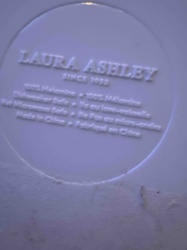
This item is a shallow, wide-rimmed ceramic serving bowl featuring a distinctive variegated glaze. The piece is characterized by a 'sponge-ware' or 'splatter' aesthetic consisting of vibrant yellow and neutral grey pigments over a creamy white or pale beige ground. Structurally, the bowl possesses a low profile with gently sloping walls and a slightly defined foot ring for stability. The exterior mirrors the interior glazing pattern, suggesting a double-dipped or hand-applied finish. Its smooth, rounded rim indicates high-quality craftsmanship and wheel-thrown or mold-formed production common in mid-20th-century pottery styles. Based on the organic distribution of the colorants, it appears to be a kiln-fired ceramic with a high-gloss protective glaze. The condition appears excellent with no visible chips, hairline cracks, or significant crazing, though some light shelf wear is expected on the unglazed foot ring. The style is reminiscent of 1950s-1970s studio pottery or decorative housewares often found in Scandinavian or American modernism. The lack of visible maker's marks from this angle prevents specific attribution, but the uniform shape and professional application of the glaze suggest a manufactured or high-end artisan origin.
AI Appraisal Report

·AI can make mistakes·Verify before acting
I have virtually examined this mid-century style marbleized ceramic serving bowl. Based on the provided imagery and description, the piece exhibits high-quality craftsmanship consistent with mid-20th-century decorative housewares. The 'sponge-ware' application involving yellow and grey pigments shows a sophisticated control of colorant distribution, typical of American or Scandinavian modernist studio pottery from the 1950s–1970s. The high-gloss glaze appears well-preserved, and the structural integrity—specifically the lack of crazing or chips—suggests either light use or careful curation. The current market for 'Atomic Era' kitchenware remains stable, with high demand for pieces that complement contemporary minimalist interiors. Similar unsigned examples of kiln-fired marbled ceramic bowls of this size generally realize between $40 and $80 at auction or specialized vintage boutiques. While the aesthetic is highly desirable, the lack of a visible maker's mark (e.g., Red Wing, McCoy, or a known European studio) prevents it from reaching the premium prices associated with signed designer pieces. Limitations of this appraisal include the inability to physically inspect the unglazed foot ring for specific clay body composition or tactile signs of age, such as authentic shelf wear vs. modern distressing. Full authentication would require an in-person examination to verify the presence of 'pin-holing' or specific kiln-stilt marks that confirm production methods. Furthermore, provenance documentation regarding its original purchase context would be necessary to elevate the valuation to a high-end artisan category.

Get your items appraised

Instant estimates of your treasures with AI-powered appraisals

Browse More Appraisals