AI identification & appraisal estimate

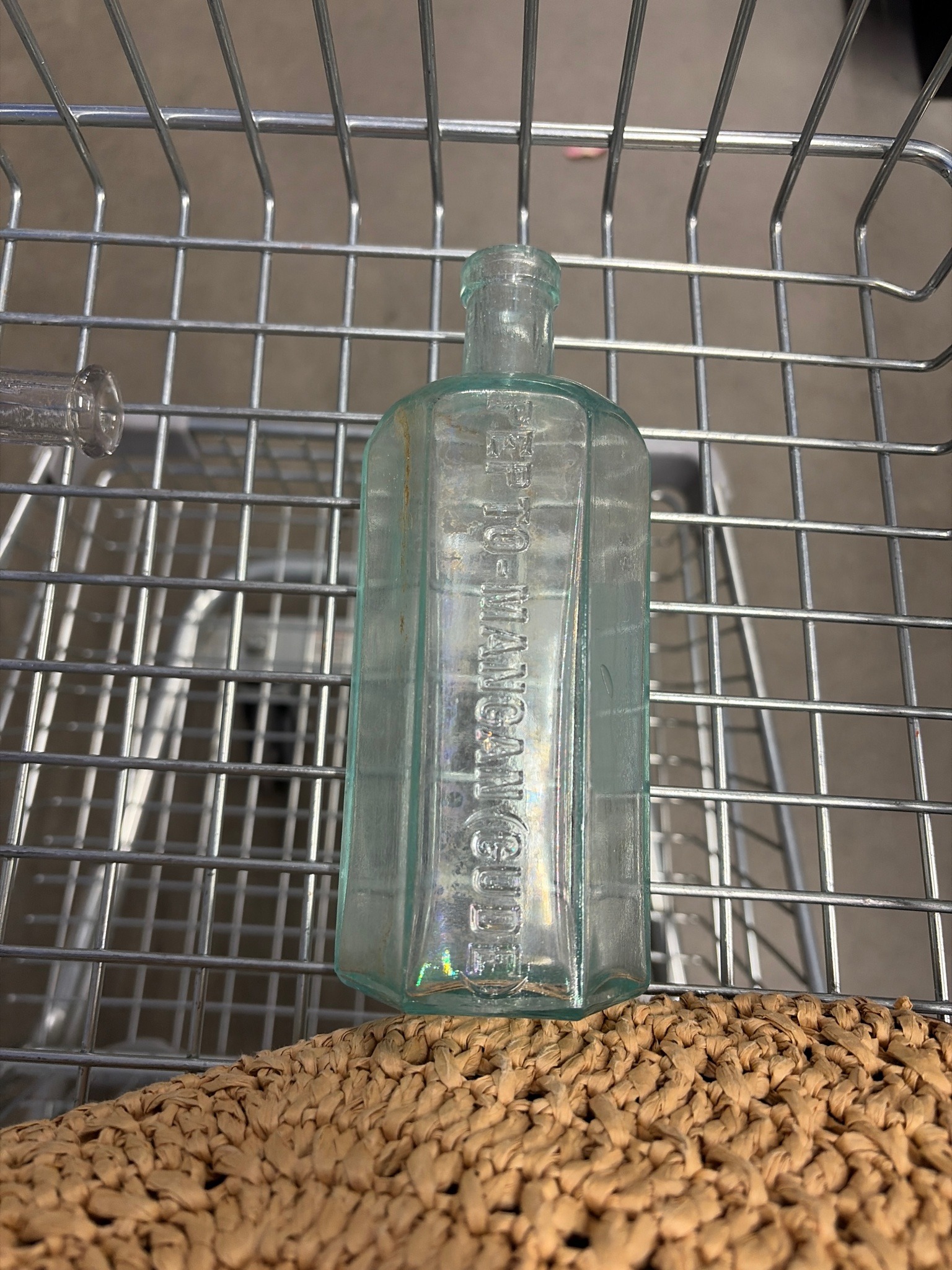
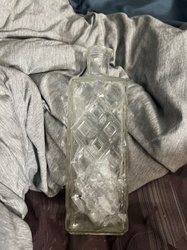
Apothecary bottle with Gude's Pepto-Mangan embossing

Submitted photo of Apothecary bottle with Gude's Pepto-Mangan embossing
Photo submitted by the user — not generated by AI

AI Estimated Value

Not an official valuation

$15 - $35

AI estimate as of June 16, 2026 · verify with a professional before acting

AI-Generated · Verify before acting

Everything on this page is generated by AI for informational purposes only. AI can make mistakes — the AI may misidentify items or misattribute them (artist, maker, brand, designer, origin, era). This is not an official valuation and should not be used for insurance, sale, tax, estate, legal, or lending purposes — or any decision requiring a certified appraisal. It is not an authoritative claim about any person, brand, or rights holder — do not share or rely on it as a factual statement about a third party. Always consult qualified professionals before making financial decisions.

Read the full disclaimer

AI Item Analysis

This appears to be an antique-style glass apothecary bottle, likely dating to the late 19th or early 20th century. The bottle is constructed from a pale aqua-tinted glass and features a rectangular body with chamfered corners, giving it an octagonal profile. It has a narrow cylindrical neck and a hand-finished or tool-finished flared lip. The front face of the bottle bears vertical embossed text which reads: 'PEPTO-MANGAN (GUDE)'. This marking is consistent with tonic bottles used by the M.J. Breitenbach Company of New York, who were the sole agents for 'Gude's Pepto-Mangan' in the United States around the 1890s. The glass exhibits several characteristics indicative of age, including numerous small air bubbles (seeds), some interior cloudiness, and a distinct iridescent patina or 'crizzle' that often results from being buried in damp earth. There is visible surface oxidation and minor debris, particularly along the left edge. The absence of modern machine-made seams appearing to run through the lip suggests a mold-blown construction with a separate finishing tool. Such bottles were mass-produced for medicinal tonics, and while the branding is clearly embossed, the age is a stylistic estimate subject to verification of the manufacturing seams and base markings.
AI Appraisal Report

Based on the provided image, I have examined this glass apothecary bottle which bears embossed text consistent with Gude’s Pepto-Mangan. From what I can see, the pale aqua coloration, the presence of seeds (air bubbles), and the iridescent patina suggest the bottle was likely produced in the late 19th to early 20th century, possibly having been buried. The bottle appears to have a tool-finished lip, a characteristic common before fully automated bottle machines became the industry standard. This value estimate assumes the bottle is a period-original medicinal tonic container. While the embossing follows the known typography for M.J. Breitenbach Company imports, I cannot determine from a photo if this is a contemporary reproduction or if there are structural flaws like hairline cracks or 'sickness' in the glass that might not be visible. The market for common patent medicine bottles of this era is generally stable but modest, as these were produced in large quantities. The value is driven primarily by the clarity of the embossing and the degree of 'whittle' or glass character. If this were found to be a modern glass replica or 'in the style of' an antique, its value would likely drop below $5. To finalize this appraisal, a physical inspection would be necessary to verify the base markings, search for pontil scars or mold seams, and confirm the glass stability. Authentication would depend on examining the specific glass composition and manufacturing marks under magnification to exclude modern manufacturing techniques.

Keep exploring

More antique glassware appraisals

Get your items appraised

Instant AI-powered appraisal estimates from a photo

Browse More Appraisals