AI Appraisal Estimate

AI-generated estimates · not official valuations

From the user

What was submitted

Photo and notes provided by the user — not generated by AI

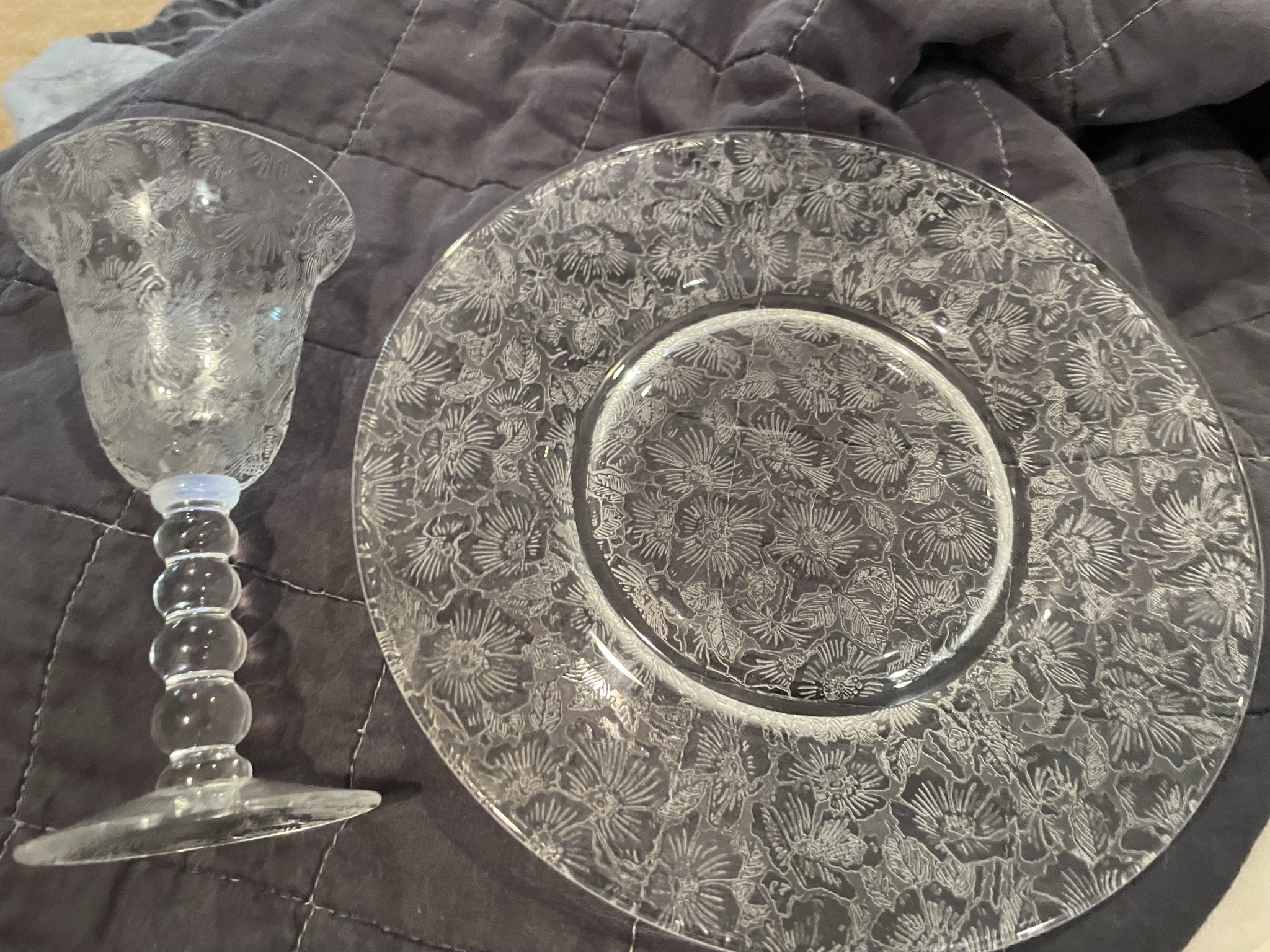
Submitted item photo
Submitted photo · July 9, 2026

User's notes

Etched

AI analysis below

AI appraisal

AI analysis & estimate

AI-Generated · Verify before acting

Everything below is generated by AI for informational purposes only. AI can make mistakes — the AI may misidentify items or misattribute them (artist, maker, brand, designer, origin, era). This is not an official valuation and should not be used for insurance, sale, tax, estate, legal, or lending purposes — or any decision requiring a certified appraisal. It is not an authoritative claim about any person, brand, or rights holder — do not share or rely on it as a factual statement about a third party. Always consult qualified professionals before making financial decisions.

Note

This analysis also relies on unverified notes provided by the user, which may be incomplete or inaccurate and could affect the result.

Read the full disclaimer

AI Identification

·Not independently authenticated·Verify before acting

Pressed glass stemware and plate in the style of Early American Pattern Glass

Glassware

AI Estimated Value

·Not an official valuation·Verify before acting

$40 - $75

As of July 9, 2026

AI Item Analysis

·AI can make mistakes·Verify before acting
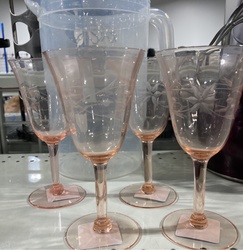
This set consists of two pieces of clear glass: a footed goblet and a matching circular plate. Both items feature an intricate, all-over floral pattern consistent with the 'Chincoteague' or 'Wildflower' motifs popularized by mid-20th-century manufacturers like Tiffin or Cambridge, though no maker's mark is visible to confirm an exact attribution. The goblet features a flared rim, a bell-shaped bowl with a repeating floral etch, and a distinctive multi-beaded or 'stacked orb' stem leading to a circular foot. The plate displays a wide rim decorated with the same dense botanical pattern, which includes daisy-like flowers and textured leaves, leaving the central well smooth. The owner identifies these pieces as 'etched,' but the sharp detail may also suggest a pressed-glass manufacturing process. Stylistically, these pieces are consistent with American decorative glassware from the 1930s to the 1950s. The glass appears to be in good vintage condition with no visible chips or cracks in the photograph, though surface scratches or internal cloudiness cannot be ruled out without a physical inspection. This identification remains a hypothesis based on stylistic craftsmanship typical of the Depression Era-style glass sector.

AI Appraisal Report

·AI can make mistakes·Verify before acting
Based on the provided image, I have examined this clear glass goblet and matching plate, which the owner identifies as 'etched' glassware. The pieces exhibit stylistic characteristics consistent with American decorative glassware from the 1930s to the 1950s, specifically mirroring motifs such as 'Chincoteague' or 'Wildflower.' While I cannot confirm a maker without seeing a signature or hallmark, the multi-beaded stem and dense floral pattern suggest a hypothesis of mid-20th-century production by manufacturers like Tiffin or Cambridge. Based on what I can see, the items appear to be in good vintage condition, though I cannot verify the presence of surface scratches, internal cloudiness, or minute chips without a physical inspection. This estimate reflects the market value for a two-piece set of this style assuming they are period-correct examples. The market for Depression-era and mid-century elegant glass remains active among niche collectors, though values are highly dependent on the pattern's rarity and the clarity of the glass. If these pieces were found to be modern reproductions or later copies 'in the style of' Early American Pattern Glass, the value would likely decrease to approximately $15-$25 for the set. To provide a more accurate assessment, a physical examination would be required to determine if the pattern is truly etched or pressed, as well as to check for subtle glass fatigue or sickness. Definitive attribution would require provenance documentation or the identification of a specific manufacturer's mark, which is not visible in the photo.

Related Tags

Explore similar items and categories

Get your items appraised

Instant estimates of your treasures with AI-powered appraisals

Browse More Appraisals