AI identification & appraisal estimate

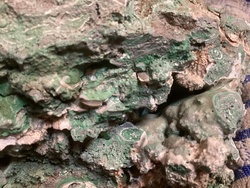
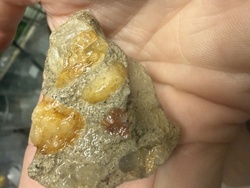
Carnelian Nodule

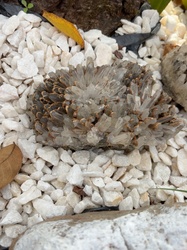
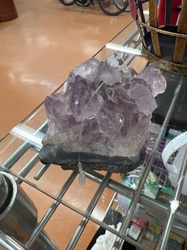
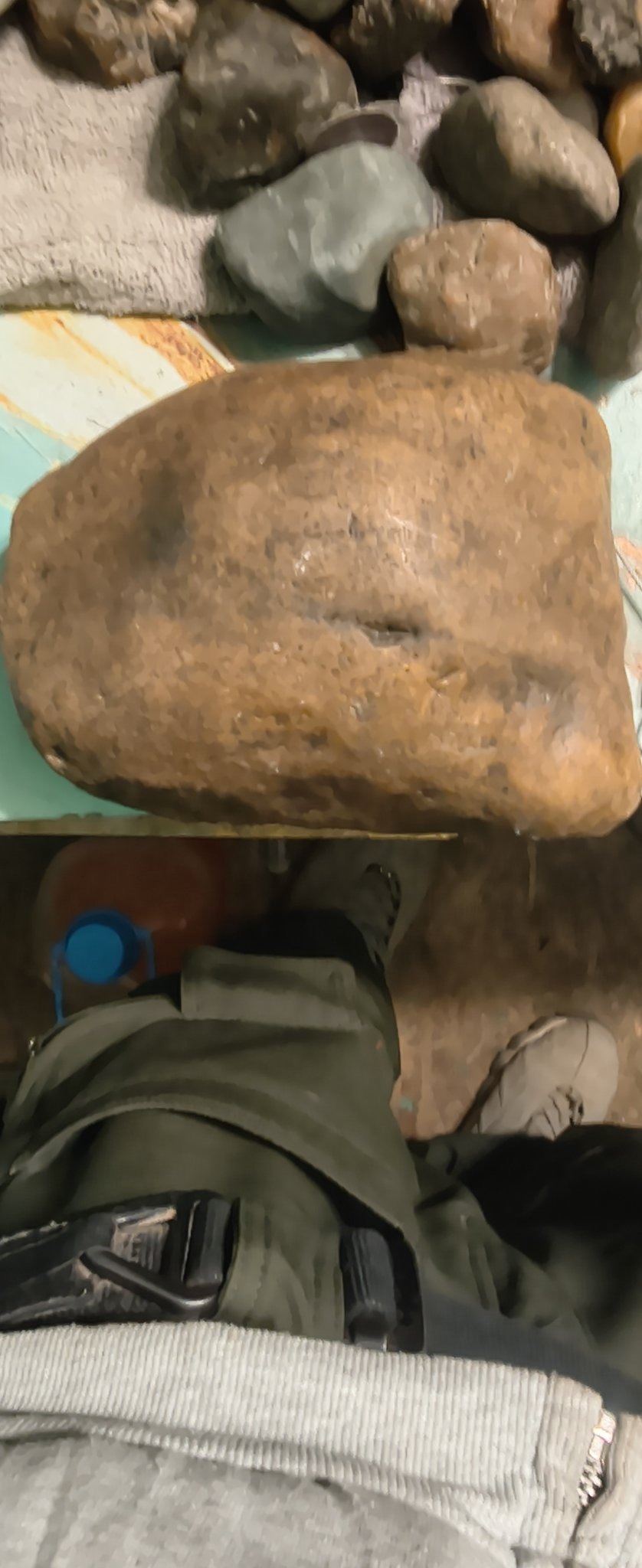
Submitted photo of Carnelian Nodule
Photo submitted by the user — not generated by AI

User's notes

"What you’re looking at is a massive, heavy-hitting 6-pound, museum-grade Carnelian nodule, measuring a solid 6 by 5 by 3 inches. This isn’t a fragile trinket; it’s a rugged, river-worn giant with a tough, weathered desert-tan jacket on the outside. But don't let the rough exterior fool you—put a flashlight to it, and it bursts into a brilliant, glowing fire of deep amber and golden orange. It’s pure microcrystalline quartz—hard enough to easily scratch glass and completely bulletproof against metal. Whether you're a lapidary artist looking to slice open a legendary display piece, a crystal collector hunting for a heavy-weight centerpiece, or someone who just wants a striking natural lightbox for your desk, specimens of this size, weight, and translucency don't just pop up every day. This is a true heavyweight champion of the riverbeds." Weight: 6lb

These notes were written by the person who submitted this item. Appraiser.AI has not verified them, and the AI's identification and estimate may rely on them.

AI Estimated Value

Not an official valuation

$150-$300

AI estimate as of October 26, 2026 · verify with a professional before acting

AI-Generated · Verify before acting

Everything on this page is generated by AI for informational purposes only. AI can make mistakes — the AI may misidentify items or misattribute them (artist, maker, brand, designer, origin, era). This is not an official valuation and should not be used for insurance, sale, tax, estate, legal, or lending purposes — or any decision requiring a certified appraisal. It is not an authoritative claim about any person, brand, or rights holder — do not share or rely on it as a factual statement about a third party. Always consult qualified professionals before making financial decisions.

This analysis also relies on unverified notes provided by the user, which may be incomplete or inaccurate and could affect the result.

Read the full disclaimer

AI Item Analysis

This specimen appears to be a large, water-worn carnelian nodule, presenting with a weathered, desert-tan exterior rind typical of alluvial mineral deposits. The physical characteristics visible in the photograph show a heavy, irregularly shaped stone with rounded contours consistent with prolonged river transport and natural tumbling. The owner identifies this as a massive 6-pound, museum-grade specimen measuring approximately 6 by 5 by 3 inches, composed of microcrystalline quartz with potential for deep amber and golden orange translucency when backlit, though internal optical properties remain unverified by direct physical testing in this assessment. There are no visible maker's marks, stamps, or human-applied inscriptions on the exterior surface; the identification rests entirely on the visual similarities of the stone's rind and contextual characteristics to known quartz-group minerals. The specimen displays natural surface pitting, minor irregularities, and earthen patina acquired through geological processes. The geological age and exact origin are unverified and estimated solely on visual appearance. Quality indicators include the substantial mass and dense composition typical of high-grade chalcedony nodules sought by lapidary enthusiasts. All claims regarding internal translucency, weight, and specific mineral composition are unverified by this visual-only appraisal.
AI Appraisal Report

Based on the visual evidence provided in the photograph, I can observe a large, irregularly shaped, water-worn stone displaying a weathered desert-tan exterior rind consistent with alluvial mineral deposits. Per user submission, the owner identifies this as a massive 6-pound, museum-grade carnelian nodule measuring approximately 6 by 5 by 3 inches, with potential for deep amber and golden orange translucency when backlit. However, I cannot verify internal optical properties, exact mineral composition, or precise weight from a photograph alone, and these characteristics would need physical inspection and hardness testing to confirm. The market for large chalcedony and quartz nodules is driven by lapidary artists and mineral collectors seeking substantial display pieces, where pricing typically correlates with quality of translucency, color saturation, and lack of internal fracturing. Assuming the owner's claims regarding weight and material are correct, an item of this type generally commands a moderate collector premium. If the specimen turns out to be a more common variety of quartz lacking the described high-grade translucency upon slicing, or if internal fractures diminish its lapidary utility, the value would be reduced to a baseline decorative mineral specimen range of $30 to $75. To confirm the mineral identity, quality, and market status of this piece, in-person examination by a qualified gemologist or lapidary expert, alongside physical testing such as specific gravity and scratch resistance, would be necessary.

Keep exploring

More minerals and crystals appraisals

Get your items appraised

Instant AI-powered appraisal estimates from a photo

Browse More Appraisals