AI estimate as of October 20, 2026 · verify with a professional before acting
AI-Generated · Verify before acting
Everything on this page is generated by AI for informational purposes only. AI can make mistakes — the AI may misidentify items or misattribute them (artist, maker, brand, designer, origin, era). This is not an official valuation and should not be used for insurance, sale, tax, estate, legal, or lending purposes — or any decision requiring a certified appraisal. It is not an authoritative claim about any person, brand, or rights holder — do not share or rely on it as a factual statement about a third party. Always consult qualified professionals before making financial decisions.
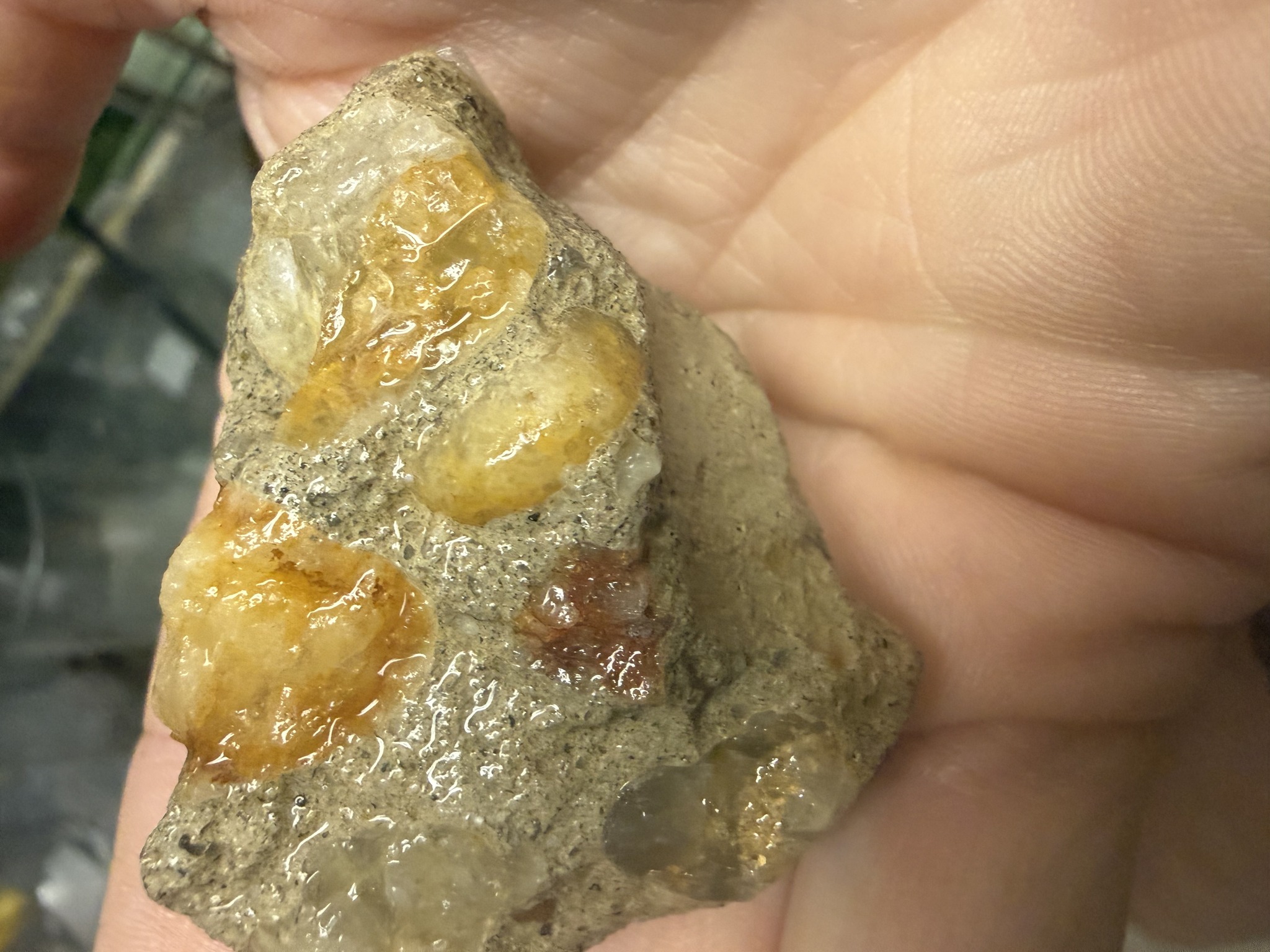
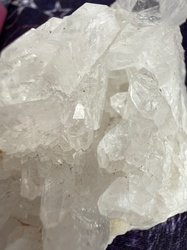
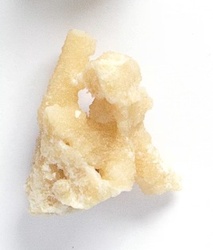
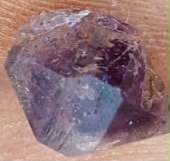
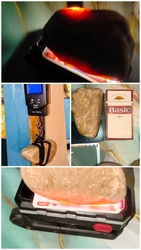
This specimen consists of a rough, earthy grey host rock or matrix embedded with multiple translucent to transparent crystalline deposits. The exposed crystal formations display varied warm tones ranging from pale yellow and amber to golden honey and hints of reddish-brown. The surfaces of the crystalline inclusions appear vitreous and wet or polished in appearance, catching the light with glossy reflections. The host matrix has a granular, weathered texture with rough, irregular edges that fit comfortably in the palm of an adult hand, suggesting a handheld specimen size of approximately a few inches across. There are no visible maker's marks, signatures, or stamps present on the surface. The identification rests purely on visual observation of the raw mineral composition and crystalline habit, showing characteristics consistent with unworked geological samples found in nature. The condition appears natural and unrefined, showing rough surfaces, pits, and inclusions typical of raw mineral specimens. Without physical laboratory testing, specific mineral densities, exact chemical compositions, or precise geological origins remain unverified.
AI Appraisal Report
Based on what I can see in the photograph, this specimen appears to be a handheld rough quartz or similar crystalline mineral matrix featuring translucent, amber-toned crystal deposits embedded in an earthy grey host rock. The crystal inclusions display a vitreous luster, while the matrix has a weathered, unrefined texture. I cannot verify from a photo alone the exact mineral composition, density, specific geological origin, or whether these are quartz, citrine, or another silicate variety, as physical laboratory testing would be needed to confirm these properties. The basis for my value estimate assumes this is a natural, unworked mineral specimen of the type commonly collected by hobbyists. In the current general market, demand for decorative rough minerals and crystals varies widely depending on aesthetic appeal, size, and specific mineral classification, with similar unauthenticated handheld specimens typically trading in the $40 to $100 range. Condition plays a major role; while natural pits, rough edges, and inclusions are expected in raw specimens, they also limit the piece to the lower decorative tier. To establish a more precise value or confirm the geological identity, an in-person physical examination and specialized mineralogical testing would be required. If this specimen were to turn out to be a synthetic reproduction, lab-grown imitation, or simply an unattributed stone of lesser aesthetic quality, the market value would likely drop significantly, potentially to just $15 to $30.