AI Appraisal Estimate

AI-generated estimates · not official valuations

From the user

What was submitted

Photo and notes provided by the user — not generated by AI

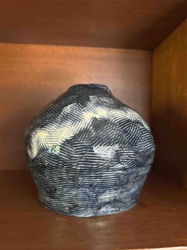
Submitted item photo
Submitted photo · June 10, 2026

User's notes

the lid doesn't fit well signed and dated JL 2010

AI analysis below

AI appraisal

AI analysis & estimate

AI-Generated · Verify before acting

Everything below is generated by AI for informational purposes only. AI can make mistakes — the AI may misidentify items or misattribute them (artist, maker, brand, designer, origin, era). This is not an official valuation and should not be used for insurance, sale, tax, estate, legal, or lending purposes — or any decision requiring a certified appraisal. It is not an authoritative claim about any person, brand, or rights holder — do not share or rely on it as a factual statement about a third party. Always consult qualified professionals before making financial decisions.

Note

This analysis also relies on unverified notes provided by the user, which may be incomplete or inaccurate and could affect the result.

Read the full disclaimer

AI Identification

·Not independently authenticated·Verify before acting

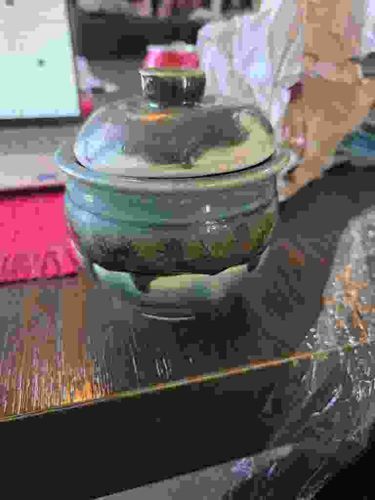
Studio Pottery Lidded Ceramic Ginger Jar

Contemporary Studio Pottery / Ceramics

AI Estimated Value

·Not an official valuation·Verify before acting

$45 - $75

As of June 10, 2026

AI Item Analysis

·AI can make mistakes·Verify before acting
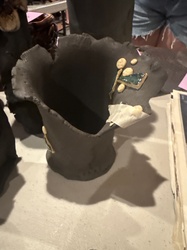
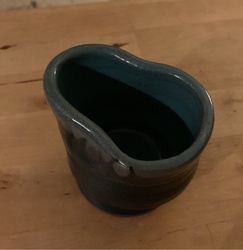
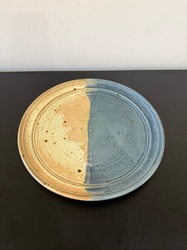
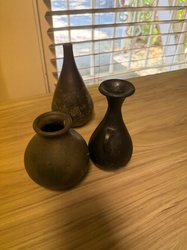
This instance of studio pottery features a small lidded jar, likely used for tea, spices, or decorative storage. The item is wheel-thrown, evidenced by the circular form and the slight tapering at the base. It is finished with a mottled, high-gloss glaze that incorporates a palette of earth tones, specifically deep moss greens, browns, and subtle grey-blues. The jar consists of a bulbous body with a distinct rim and a slightly domed lid topped with a cylindrical finial knob. According to provided documentation, the piece is signed and dated 'JL 2010' on the base, indicating it is contemporary studio work from the early 21st century. The craftsmanship displays a rustic, artisanal quality common in individualized pottery. Regarding condition, it is noted that the lid does not fit well, suggesting a minor warping during the firing process or a slight mismatch in the throwing of the lid flange relative to the jar neck. The overall surface appears intact without visible cracks or chips, though the glaze shows heavy light reflection due to its glass-like finish. The height appears to be roughly 4 to 6 inches tall based on the surrounding context of the table and hand.
AI Appraisal Report

·AI can make mistakes·Verify before acting
Based on my examination of the photographs and descriptive data, I have assessed this lidded studio pottery vessel. The piece, signed 'JL 2010', represents a contemporary, functional ceramic work characterized by a multi-tonal reactive glaze in moss and earth tones. While the form and glaze application indicate a competent level of hobbyist or local artisan skill, several factors significantly impact its market value. The primary detractor is the poor fit of the lid, which indicates a technical flaw occurring during the drying or firing phase. In the market for studio ceramics, functional integrity is paramount; a lid that does not seat properly is considered a secondary-market defect. Furthermore, the maker 'JL' remains an unidentified mark, placing this in the category of 'anonymous' studio pottery rather than a collectible work by a documented master potter. The market for contemporary, non-master ceramics is currently saturated, with high supply and localized demand. Comparable sales for unsigned or unidentified studio jars of this size and era typically fall within the sub-$100 range. This appraisal is based on visual evidence; a physical inspection is required to check for internal stress fractures or 'shivering' of the glaze not visible in photos. Full authentication would require cross-referencing the 'JL' signature with regional guild registries or obtaining a curriculum vitae from the artist. For insurance purposes, I have valued this as a decorative object rather than a fine arts investment.

Get your items appraised

Instant estimates of your treasures with AI-powered appraisals

Browse More Appraisals