AI Appraisal Estimate

AI-generated estimates · not official valuations

From the user

What was submitted

Photo and notes provided by the user — not generated by AI

Submitted item photo
Submitted photo · June 6, 2026

User's notes

No additional notes provided.

AI analysis below

AI appraisal

AI analysis & estimate

AI-Generated · Verify before acting

Everything below is generated by AI for informational purposes only. AI can make mistakes — the AI may misidentify items or misattribute them (artist, maker, brand, designer, origin, era). This is not an official valuation and should not be used for insurance, sale, tax, estate, legal, or lending purposes — or any decision requiring a certified appraisal. It is not an authoritative claim about any person, brand, or rights holder — do not share or rely on it as a factual statement about a third party. Always consult qualified professionals before making financial decisions.

Read the full disclaimer

AI Identification

·Not independently authenticated·Verify before acting

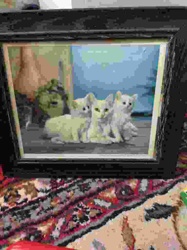
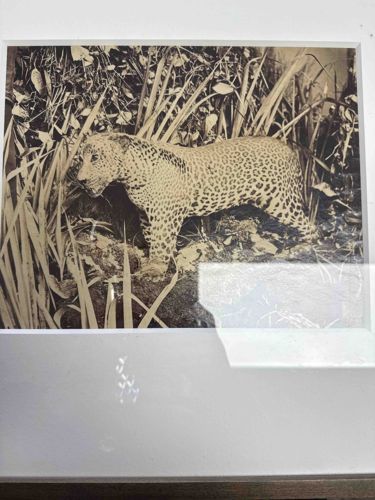
Framed Sepia-Toned Wildlife Photograph of a Leopard

Art and Collectibles - Photography

AI Estimated Value

·Not an official valuation·Verify before acting

$45 - $85

As of June 6, 2026

AI Item Analysis

·AI can make mistakes·Verify before acting
This item is a framed wildlife photograph featuring a standing leopard amidst dense tall grass. The image is rendered in a monochromatic, sepia-toned palette, suggesting an aged or historical aesthetic consistent with mid-20th-century natural history photography. The composition shows the leopard in profile, highlighting the intricate rosette markings of its coat. Physically, the photograph appears to be printed on matte or semi-gloss paper and is housed within a white beveled window mat. The overall presentation is completed by a dark-stained wood frame. The condition of the print itself looks stable, though the matting shows some minor debris or imperfections near the top edge. The lighting in the photograph appears natural, capturing the texture of the feline's fur and the surrounding botanical elements with significant detail. There are no visible signatures or studio stamps on the front of the work, which is common for mass-marketed wildlife prints of the 1960s or 70s. The craftsmanship of the matting is standard, with clean 45-degree angle cuts at the corners. The frame's dark wood provides a strong contrast to the light sepia tones of the print. This piece would likely have functioned as decorative wall art, possibly for a study or library, intended to evoke the ambiance of traditional safari expeditions.
AI Appraisal Report

·AI can make mistakes·Verify before acting
I have conducted a visual inspection of this framed sepia-toned wildlife photograph depicting a leopard. The work is characteristic of decorative natural history prints popular in the late 20th century, specifically the 1960s or 70s. The sepia processing is used here as an aesthetic choice to evoke a vintage safari atmosphere rather than indicating a 19th-century origin. The print quality shows good detail in the rosette markings, though the matte finish suggests a mass-production offset lithograph or a standard darkroom enlargement rather than a rare fine-art process. The condition of the print appears stable; however, the presence of debris under the glazing and minor matting imperfections suggests it has not been housed in a conservation-grade environment. Market demand for unsigned, commercial wildlife photography from this era is currently modest, primarily driven by decorative appeal for 'colonial' or 'global' interior design styles. Comparables for such unauthenticated decor pieces typically fall in the double-digit range at estate auctions or vintage marketplaces. Values are significantly capped by the lack of a known photographer’s signature or studio provenance. Without a physical inspection, I cannot determine the paper type, the presence of hidden stamps, or the acidity of the mounting materials. Full authentication would require removing the print from the frame to check for identifying marks on the verso and examining the grain structure under magnification to differentiate between a digital reproduction, a mechanical print, or a silver gelatin original. This appraisal assumes the piece is a decorative retail product of the mid-to-late 20th century.

Get your items appraised

Instant estimates of your treasures with AI-powered appraisals

Browse More Appraisals