AI Appraisal Estimate

AI-generated estimates · not official valuations

From the user

What was submitted

Photo and notes provided by the user — not generated by AI

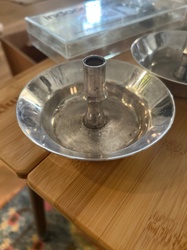
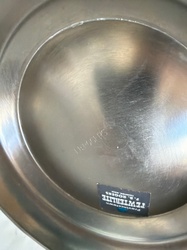
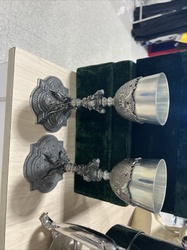
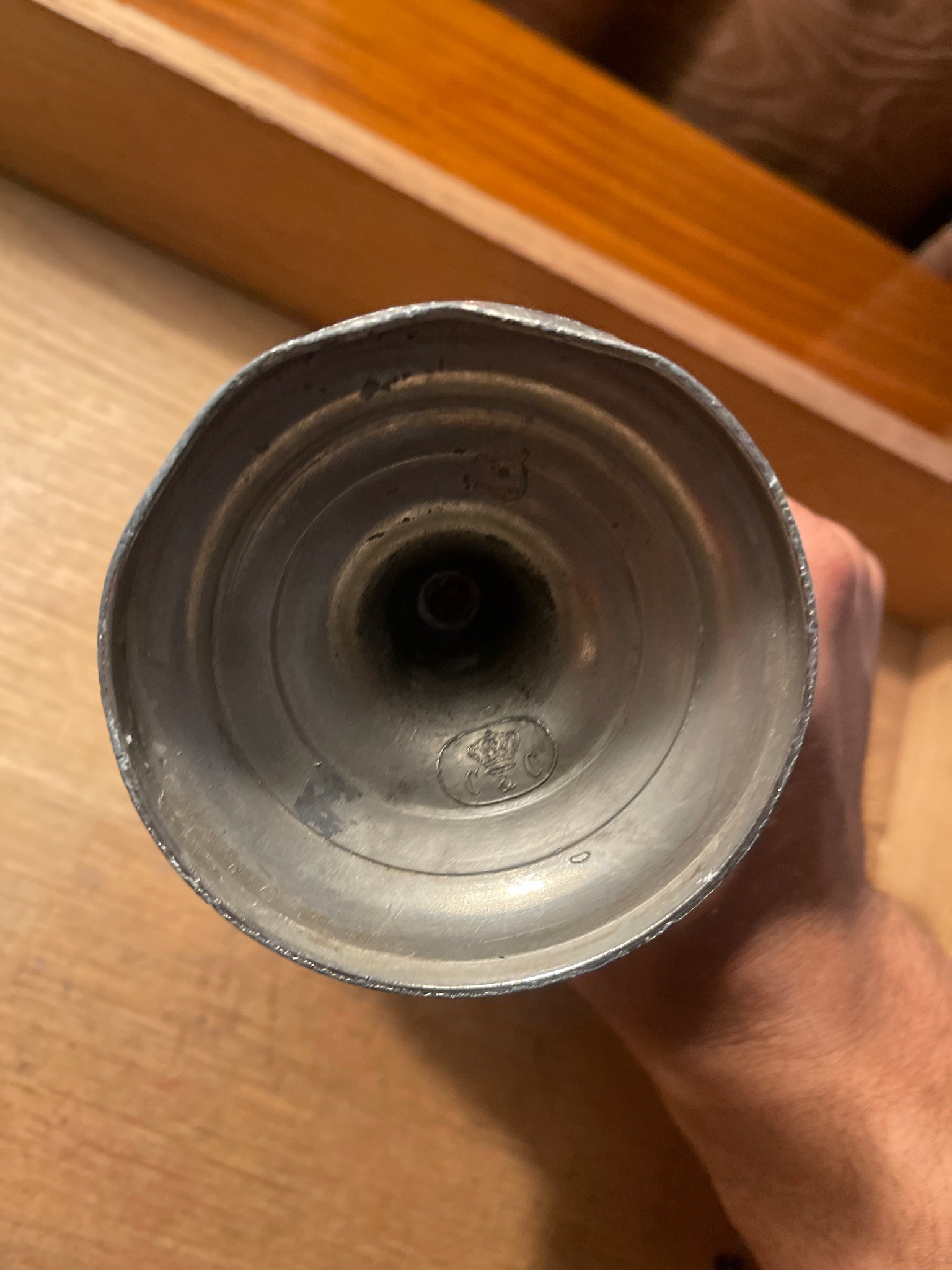
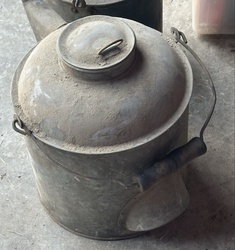
Submitted item photo
Submitted photo · May 23, 2026

User's notes

No additional notes provided.

AI analysis below

AI appraisal

AI analysis & estimate

AI-Generated · Verify before acting

Everything below is generated by AI for informational purposes only. AI can make mistakes — the AI may misidentify items or misattribute them (artist, maker, brand, designer, origin, era). This is not an official valuation and should not be used for insurance, sale, tax, estate, legal, or lending purposes — or any decision requiring a certified appraisal. It is not an authoritative claim about any person, brand, or rights holder — do not share or rely on it as a factual statement about a third party. Always consult qualified professionals before making financial decisions.

Read the full disclaimer

AI Identification

·Not independently authenticated·Verify before acting

Pewter-style metal vessel base with crown hallmark

Metalware

AI Estimated Value

·Not an official valuation·Verify before acting

$40 - $120

As of May 23, 2026

AI Item Analysis

·AI can make mistakes·Verify before acting
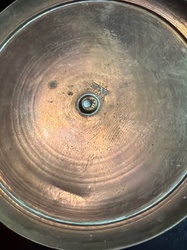
This appears to be the underside of a circular base for a metalwork vessel, such as a candlestick, chalice, or goblet. The item is composed of a dull, grey-toned metal with a matte finish consistent with pewter or a similar lead-based alloy. The construction shows concentric rings on the interior underside, suggesting it was cast or turned. Centrally located on the underside is a stamped hallmark within an oval cartouche, featuring a crown over the letters 'C' and 'K' (or similar initials), which is stylistically consistent with European pewter marks from the 18th to mid-19th centuries. A second, fainter mark appears to be placed further toward the rim. The rim itself shows visible wear and deformation, with irregular edges and small nicks consistent with age and use. There are visible surface scratches, dark oxidation spots, and some possible repair remnants near the center. Given that hallmarks can be historically reproduced or transferred, this attribution is based on visual markings that are consistent with continental European manufacture but would require physical testing of the metal composition to determine age and origin.
AI Appraisal Report

·AI can make mistakes·Verify before acting
Based on my visual examination of the provided image, this object appears to be a circular base from a metal vessel, possibly a candlestick or chalice, constructed from a grey-toned alloy consistent with pewter. I can observe a stamped hallmark featuring a crown over initials, which is stylistically suggestive of continental European pewter from the 18th to mid-19th centuries. However, I cannot verify from a photo whether this mark is contemporary to that period or a later reproduction, as marks were often struck on late-19th or 20th-century 'revival' pieces. The concentric turning marks and surface oxidation are consistent with age, but I cannot confirm the metal's exact lead content or metallurgical profile without physical testing. The value estimate of $40–$120 assumes the piece is a genuine period fragment or utility item with a functioning hallmark; however, if this were determined to be a modern decorative replica or a non-period 'in the style of' casting, the value would likely decrease to a nominal decorative range of $10–$25. The current market for partial metalware fragments is specialized, typically appealing to collectors of regional hallmarks or those seeking period parts for restoration. To provide a more precise valuation and confirm the attribution, an in-person inspection by a pewter specialist would be required to verify the strike of the hallmark and analyze the wear patterns at the rim, which currently show irregular deformations consistent with significant use. Additionally, documented provenance or a chemical analysis of the alloy would be necessary to move beyond this working hypothesis of a 19th-century European origin.

Get your items appraised

Instant estimates of your treasures with AI-powered appraisals

Browse More Appraisals