AI Appraisal Estimate

AI-generated estimates · not official valuations

From the user

What was submitted

Photo and notes provided by the user — not generated by AI

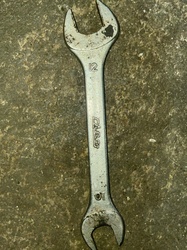
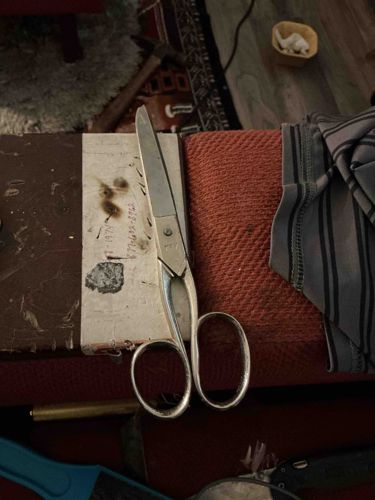
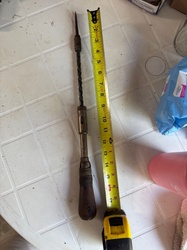
Submitted item photo
Submitted photo · June 8, 2026

User's notes

No additional notes provided.

AI analysis below

AI appraisal

AI analysis & estimate

AI-Generated · Verify before acting

Everything below is generated by AI for informational purposes only. AI can make mistakes — the AI may misidentify items or misattribute them (artist, maker, brand, designer, origin, era). This is not an official valuation and should not be used for insurance, sale, tax, estate, legal, or lending purposes — or any decision requiring a certified appraisal. It is not an authoritative claim about any person, brand, or rights holder — do not share or rely on it as a factual statement about a third party. Always consult qualified professionals before making financial decisions.

Read the full disclaimer

AI Identification

·Not independently authenticated·Verify before acting

Vintage Metal Scissors

Hand Tools

AI Estimated Value

·Not an official valuation·Verify before acting

$5 - $15

As of June 8, 2026

AI Item Analysis

·AI can make mistakes·Verify before acting
This item is a pair of vintage sewing or general-purpose scissors, crafted entirely from metal. The scissors exhibit a classic design with two blades pivoted together, featuring large, ovular finger/thumb loops for comfortable handling. The metal appears to be a type of steel or a similar alloy, given its silvery-grey coloration and the visible patina and wear. The surface shows a moderate level of scuffing, minor scratches, and some discoloration consistent with age and regular use, particularly on the blades. There are no discernible maker's marks, signatures, or stamps visible in the provided image on the main body of the scissors, though the area around the pivot point on one blade shows some darker spots that could be residue or more significant pitting. The construction appears robust, with a visible screw or rivet holding the two halves together. The overall aesthetic suggests a tool designed for durability and functionality rather than ornate decoration. The blunt tips and common form factor point towards utility scissors. Based on the style and apparent wear, these scissors likely date from the mid-20th century, possibly earlier given the lack of plastic components. The craftsmanship appears to be of standard quality for its time, with well-formed loops and blades, though the current condition shows signs of a long working life.
AI Appraisal Report

·AI can make mistakes·Verify before acting
I have examined the image provided of these vintage metal scissors. Their overall condition is consistent with significant age and use, displaying a moderate level of surface wear including scuffing, minor scratches, and discoloration, particularly on the blades. The absence of discernible maker's marks or stamps prevents definitive attribution or dating; however, the all-metal construction and utilitarian design suggest a mid-20th century origin, potentially earlier due to the lack of plastic. Authenticity, as a tool, is not in question, but rather its age and manufacturer. The blunt tips and robust construction indicate general purpose or sewing utility. Market conditions for vintage utilitarian scissors of this type are generally low. Comparables typically sell for nominal amounts, often as part of larger lots or for decorative purposes rather than as collectible items. There is low market demand and no significant rarity associated with common vintage scissors without unique design features, maker's marks, or historical provenance. The worn condition further limits value. Factors negatively impacting value include the lack of identifiable marks, the visible wear, and the commonality of the item. Had there been unique engravings, a prestigious brand name, or a documented historical association, the value would be significantly higher. It is crucial to note that this appraisal is based solely on visual examination of the image. A full authentication and more precise dating would require an in-person examination to assess the metal composition, inspect for minute markings not visible in the photo, and evaluate the integrity of the pivot point. Any provenance documentation, such as original purchase records, would also greatly aid in authentication and potentially increase value, though such documentation is rare for common tools.

Get your items appraised

Instant estimates of your treasures with AI-powered appraisals

Browse More Appraisals