AI Appraisal Estimate

AI-generated estimates · not official valuations

From the user

What was submitted

Photo and notes provided by the user — not generated by AI

Submitted item photo
Submitted photo · May 27, 2026

User's notes

No additional notes provided.

AI analysis below

AI appraisal

AI analysis & estimate

AI-Generated · Verify before acting

Everything below is generated by AI for informational purposes only. AI can make mistakes — the AI may misidentify items or misattribute them (artist, maker, brand, designer, origin, era). This is not an official valuation and should not be used for insurance, sale, tax, estate, legal, or lending purposes — or any decision requiring a certified appraisal. It is not an authoritative claim about any person, brand, or rights holder — do not share or rely on it as a factual statement about a third party. Always consult qualified professionals before making financial decisions.

Read the full disclaimer

AI Identification

·Not independently authenticated·Verify before acting

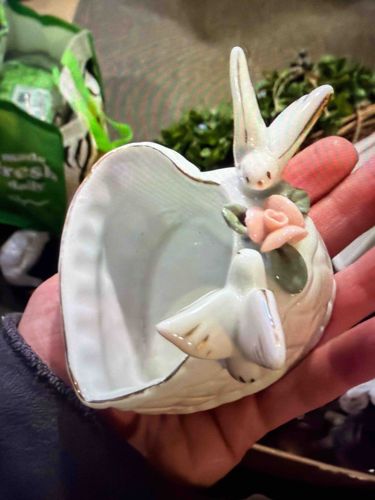
Vintage Porcelain Double Bird Trumpet Figural Vase

Vintage Ceramics & Decorative Collectibles

AI Estimated Value

·Not an official valuation·Verify before acting

$15.00-$25.00

As of May 27, 2026

AI Item Analysis

·AI can make mistakes·Verify before acting
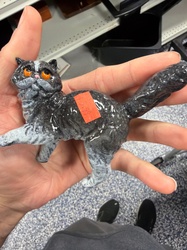
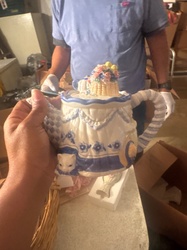
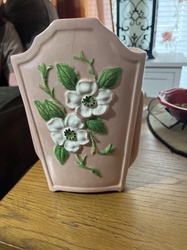
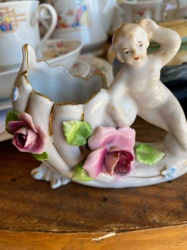
This item is a small, figural trumpet-shaped porcelain vase, likely intended as a decorative bud vase or toothpick holder. It is crafted from glazed white porcelain or fine ceramic, featuring two sculpted birds perched on the rim and side of a cornucopia-style vessel. The piece is accented with a delicate applied pink porcelain rose and green leaves, showcasing mid-century floral aesthetic. Gold-gilt (luster) trim is visible along the scalloped edges of the vessel and the tips of the birds' wings, adding a touch of elegance. The interior of the vase is smooth and high-gloss white. Physically, the item appears to be approximately 3 to 4 inches in height. The construction involves hand-applied elements, particularly the floral work, which is common in pieces from the 1950s or 1960s. Regarding condition, there is minor wear apparent on the gold trim consistent with age and handling. No major cracks are visible in the image, though small 'flea bites' or nicks are often present on the thin edges of applied porcelain flowers like the one shown. The style is characteristic of manufacturers like Lefton, Napco, or Enesco, which commonly produced these 'shabby chic' romantic-style ceramics in post-war Japan for the Western market. The craftsmanship is illustrative of mass-produced mid-tier collectibles of the era, focusing on sentimental and nature-based themes.
AI Appraisal Report

·AI can make mistakes·Verify before acting
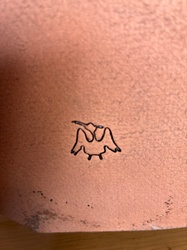
I have examined the digital images of this vintage figural trumpet vase. The piece exhibits the classic characteristics of mid-century 'Giftware' exported from Japan, likely produced by firms such as Napco or Lefton between 1950 and 1965. The craftsmanship features hand-applied 'spaghetti' style or dimensional floral work and luster-gold accents typical of the romantic revival aesthetic popular in post-war American homes. Condition-wise, the glaze remains bright, though there is visible thinning on the gold gilding at the rim and wingtips, consistent with age. While no major structural fractures are noted, the applied rose petals and leaf tips appear vulnerable; such items frequently harbor microscopic 'flea bites' only detectable by touch. The market for these ceramics is currently saturated. While they possess sentimental 'shabby chic' appeal, they were mass-produced in high volumes, which limits their rarity and ceiling price. Comparables for similar unbranded bird figurals frequently sell in the $12 to $25 range on secondary markets like eBay or Etsy. My valuation is based strictly on visual inspection of the provided images. Authenticity and value are limited by the absence of a visible maker's mark or original foil ‘Japan’ sticker. A physical examination is necessary to check for hidden repairs (often disguised by the busy floral applications), feel for chips, and assess the clay body weight to distinguish it from modern reproductions. Full authentication would require verifying any underglaze stamps or ink marks on the base and confirming the absence of adhesive residues that might suggest previous restoration.

Get your items appraised

Instant estimates of your treasures with AI-powered appraisals

Browse More Appraisals