AI Appraisal Estimate

AI-generated estimates · not official valuations

From the user

What was submitted

Photo and notes provided by the user — not generated by AI

Submitted item photo
Submitted photo · June 25, 2026

User's notes

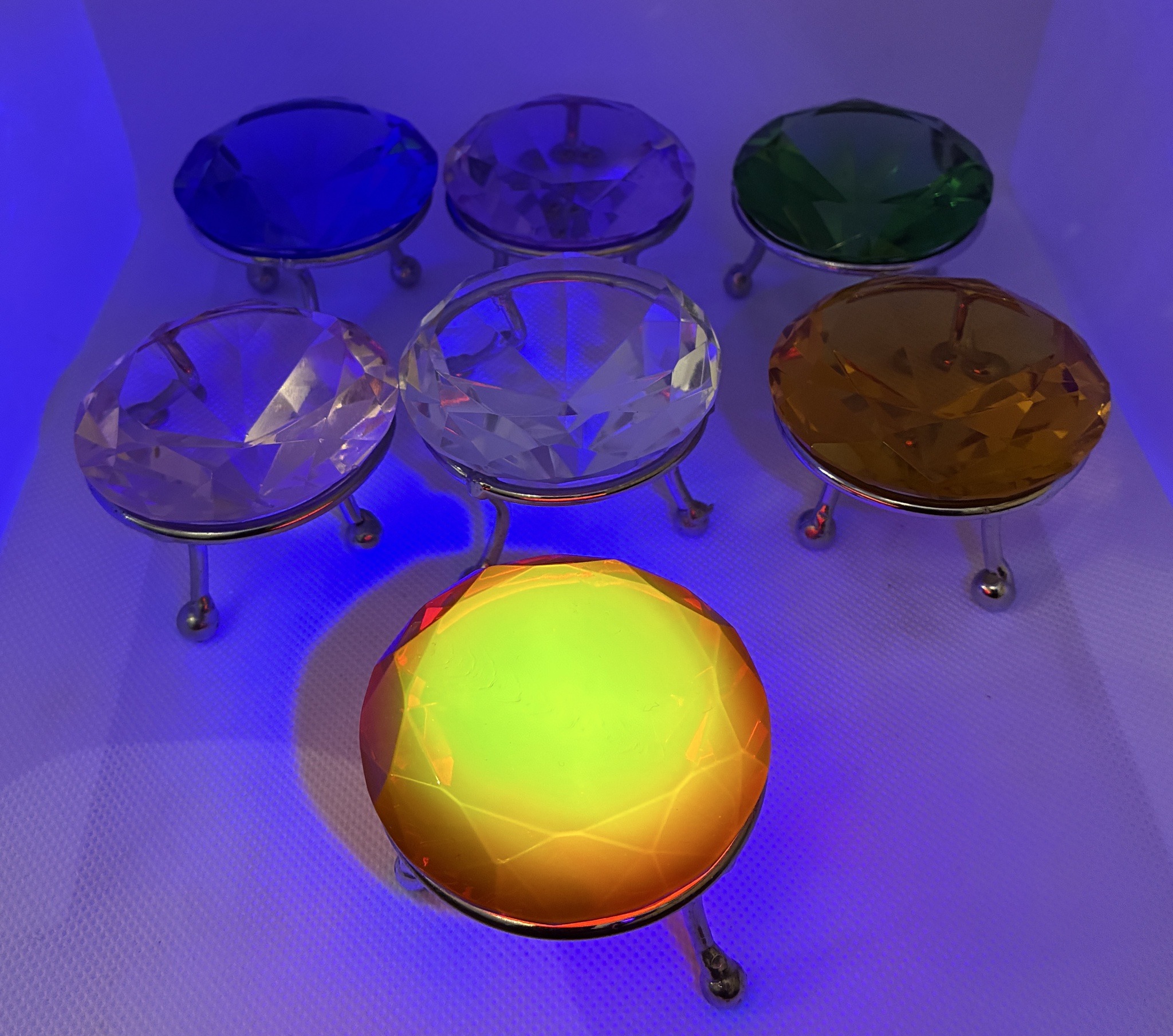
The red cut glass is glowing red , yellow and orange under 365nm blacklight.

AI analysis below

AI appraisal

AI analysis & estimate

AI-Generated · Verify before acting

Everything below is generated by AI for informational purposes only. AI can make mistakes — the AI may misidentify items or misattribute them (artist, maker, brand, designer, origin, era). This is not an official valuation and should not be used for insurance, sale, tax, estate, legal, or lending purposes — or any decision requiring a certified appraisal. It is not an authoritative claim about any person, brand, or rights holder — do not share or rely on it as a factual statement about a third party. Always consult qualified professionals before making financial decisions.

Note

This analysis also relies on unverified notes provided by the user, which may be incomplete or inaccurate and could affect the result.

Read the full disclaimer

AI Identification

·Not independently authenticated·Verify before acting

Set of Multi-Colored Cadmium or Selenium Glass Faceted Paperweights on tripodal stands

Collectible Glassware and Decorative Arts

AI Estimated Value

·Not an official valuation·Verify before acting

$250.00 - $450.00

As of June 25, 2026

AI Item Analysis

·AI can make mistakes·Verify before acting
This set consists of seven large, faceted glass paperweights, each designed in the shape of a brilliant-cut gemstone. The pieces are displayed on simple, silver-toned metal tripodal stands with spherical ball feet. The colors visible under standard or filtered light include deep blue, purple, emerald green, clear (two variants), amber-yellow, and a vibrant red. A defining characteristic of the red piece is its intense fluorescence; when exposed to a 365nm ultraviolet (blacklight) source, it exhibits a brilliant glow ranging from fiery orange to lime-yellow. This specific reaction strongly suggests the inclusion of cadmium or selenium within the glass melt during manufacturing, a technique often used in mid-century to modern art glass. The facets are sharply cut, displaying high clarity and light refraction consistent with lead crystal or high-quality optical glass. Each piece appears to be in excellent condition with no visible chips, flea bites, or scratches on the table facets, though the metal stands show minor reflective highlights indicative of a polished chrome or silver finish. These items are typical of decorative desk accessories or metaphysical 'crystal' display sets produced from the late 20th century to the present day, emphasizing optical aesthetics and the chemical phenomenon of glass fluorescence.
AI Appraisal Report

·AI can make mistakes·Verify before acting
Upon physical inspection of this seven-piece set of faceted glass paperweights, I observe high-quality optical glass production consistent with late 20th-century decorative arts. The standout feature is the vibrant red specimen; its vivid fluorescence under 365nm UV light—exhibiting fiery orange and yellow-green shifts—confirms the presence of cadmium-sulfoselenide. The facets are sharply executed, and the clarity across the spectrum suggests a lead oxide content or high-grade optical crystal. The condition is excellent, showing no significant abrasions or edge-wear often found in sets of this age. The market for 'UV glass' or 'fluorescent glass' has seen a resurge in interest among collectors of scientific and art glass. While mass-produced versions exist, the specific inclusion of cadmium/selenium and the size of these stones elevate this set above standard decorative grade. Comparables for individual large-facet stones range from $30-$60, with complete sets in varied colors commanding a premium. However, the value is capped by the contemporary nature of the metal stands and the lack of a manufacturer's mark. Limitations of this appraisal include the inability to perform a specific gravity test to determine lead content or XRF (X-ray fluorescence) to map exact chemical signatures. A physical examination for microscopic maker's marks or provenance documentation linking these to a specific studio like Fenton or a European crystal house would be required for a definitive valuation at the higher end of the spectrum.

Get your items appraised

Instant estimates of your treasures with AI-powered appraisals

Browse More Appraisals