AI identification & appraisal estimate

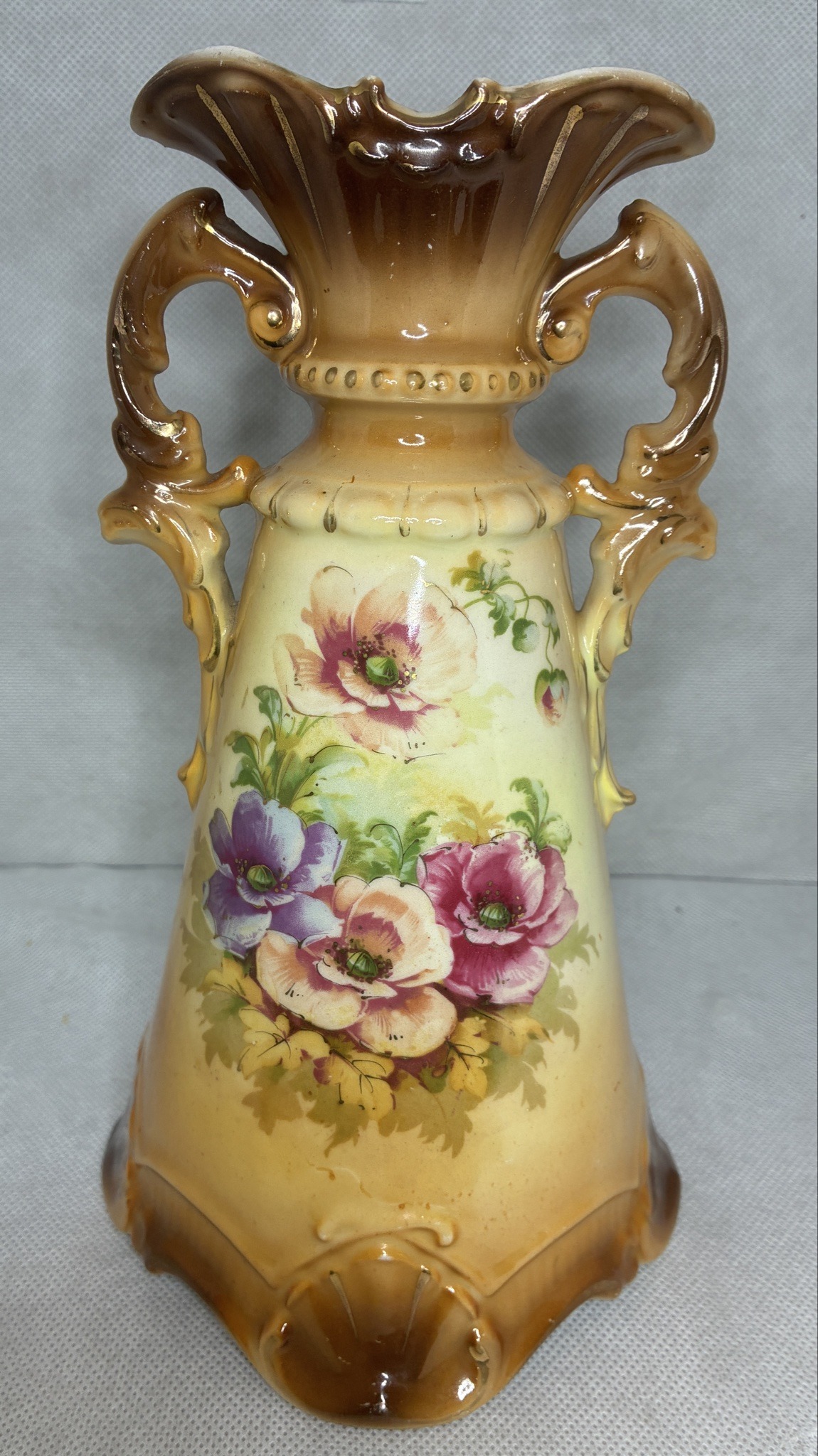
Double-handled ceramic mantle vase (unauthenticated)

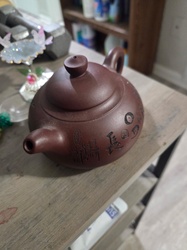
Submitted photo of Double-handled ceramic mantle vase (unauthenticated)
Photo submitted by the user — not generated by AI

User's notes

Austrian doubled handled ceramic mantle vase. Height 24.5cm vs Diameter 15cm Weight 600 grams

These notes were written by the person who submitted this item. Appraiser.AI has not verified them, and the AI's identification and estimate may rely on them.

AI Estimated Value

Not an official valuation

$300-500

AI estimate as of November 7, 2026 · verify with a professional before acting

AI-Generated · Verify before acting

Everything on this page is generated by AI for informational purposes only. AI can make mistakes — the AI may misidentify items or misattribute them (artist, maker, brand, designer, origin, era). This is not an official valuation and should not be used for insurance, sale, tax, estate, legal, or lending purposes — or any decision requiring a certified appraisal. It is not an authoritative claim about any person, brand, or rights holder — do not share or rely on it as a factual statement about a third party. Always consult qualified professionals before making financial decisions.

This analysis also relies on unverified notes provided by the user, which may be incomplete or inaccurate and could affect the result.

Read the full disclaimer

AI Item Analysis

This ceramic mantle vase features physical characteristics consistent with late 19th or early 20th-century European decorative ceramics, often associated with Austro-Hungarian or Bohemian manufacturing styles. The piece stands approximately 24.5 centimeters tall with a base diameter of 15 centimeters and an approximate weight of 600 grams. Constructed from glazed earthenware or porcelain, the vase is finished with a gradient color palette transitioning from a rich brown at the fluted rim and scrolled handles down to a creamy, warm yellow and off-white body. Hand-painted floral motifs adorn the front center, showcasing blossoms in shades of pink, purple, and cream with green foliage and delicate detailing. The rim, handles, and raised beadwork encircling the neck are accented with hand-applied gilding, which exhibits minor wear consistent with age and handling. The body has a tapered, bulbous form supported by a scalloped, flared foot. Two ornate, symmetrical scrolled handles connect the flared neck to the upper shoulder of the vessel. There are no clearly visible maker's marks, stamps, or signatures discernable in the provided photograph; therefore, the attribution relies solely on stylistic features such as the glaze technique, floral transfer and hand-painting combination, and ornate molding. The owner's notes suggest this is an Austrian double-handled ceramic mantle vase, an unverified claim that aligns with the visual aesthetic but remains unauthenticated. The overall condition appears well-preserved with intact glazing and only minor surface wear, representing standard craftsmanship quality of the period.
AI Appraisal Report

Based on what I can see in the provided photographs, this double-handled ceramic mantle vase displays visual characteristics consistent with late 19th or early 20th-century European decorative ceramics, aligning closely with Austro-Hungarian or Bohemian manufacturing styles. Per user submission, the owner identifies this as an Austrian double-handled ceramic mantle vase; however, I cannot verify this origin from a photograph alone. The piece features a gradient brown-to-yellow glazed earthenware or porcelain body, hand-painted floral motifs, and raised gilded beadwork. I note no clearly visible maker's marks or stamps in the imagery provided, meaning the current attribution relies entirely on stylistic interpretation rather than physical markings. Based on the assumption that the owner's unverified claim of an Austrian origin is correct, comparable decorative mantle vases of this period and quality typically command a market value in the $300 to $500 range. Condition plays a significant role here, and the apparent well-preserved glazing and minor handling wear support this baseline estimate. General market demand for late 19th-century continental decorative ceramics remains steady among period collectors, though prices heavily depend on verified factory attribution. Would need physical inspection to confirm the clay body, glaze composition, and absence of professional restoration. If physical examination reveals the piece to be a later reproduction, replica, or a general piece 'in the style of' rather than an actual period piece, the estimated value would drop significantly, likely falling into the $75 to $150 range. To establish a stronger basis for value and authenticity, a physical examination by a ceramic specialist, detailed hallmark verification, and possible scientific testing would be necessary.

Keep exploring

More ceramics and pottery appraisals

Get your items appraised

Instant AI-powered appraisal estimates from a photo

Browse More Appraisals