AI Appraisal Estimate

AI-generated estimates · not official valuations

From the user

What was submitted

Photo and notes provided by the user — not generated by AI

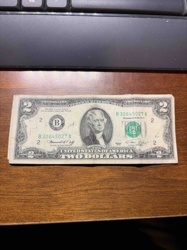
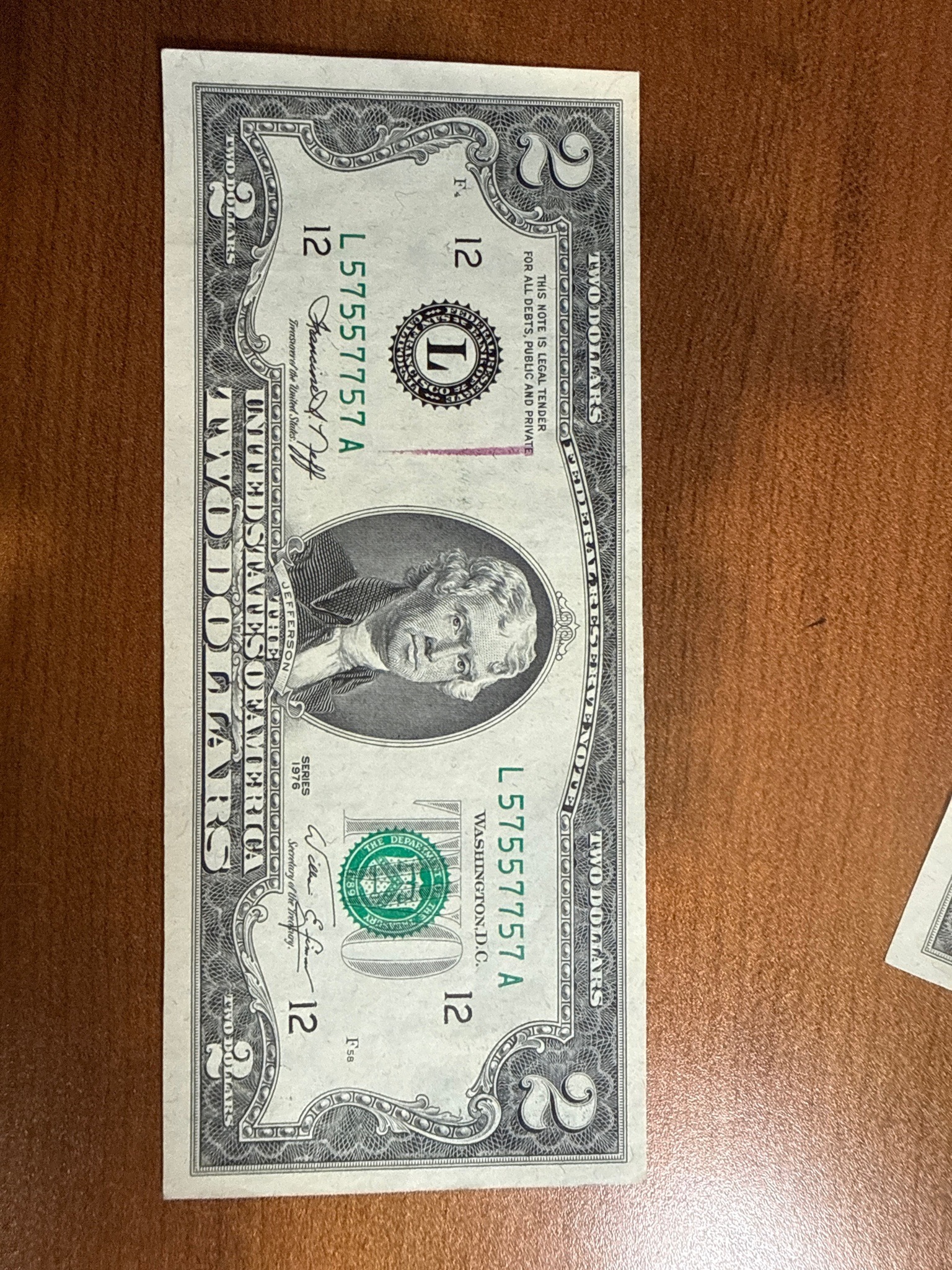
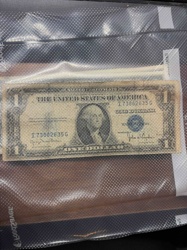
Submitted item photo
Submitted photo · May 30, 2026

User's notes

No additional notes provided.

AI analysis below

AI appraisal

AI analysis & estimate

AI-Generated · Verify before acting

Everything below is generated by AI for informational purposes only. AI can make mistakes — the AI may misidentify items or misattribute them (artist, maker, brand, designer, origin, era). This is not an official valuation and should not be used for insurance, sale, tax, estate, legal, or lending purposes — or any decision requiring a certified appraisal. It is not an authoritative claim about any person, brand, or rights holder — do not share or rely on it as a factual statement about a third party. Always consult qualified professionals before making financial decisions.

Read the full disclaimer

AI Identification

·Not independently authenticated·Verify before acting

Series 1976 United States Two Dollar Bill with 'Repeater' Serial Number

Numismatics / US Paper Currency

AI Estimated Value

·Not an official valuation·Verify before acting

$45.00-$65.00

As of May 30, 2026

AI Item Analysis

·AI can make mistakes·Verify before acting
This is a United States Federal Reserve Note with a face value of two dollars, designated as Series 1976. The note features the portrait of Thomas Jefferson in the center of the obverse. It was issued through the Federal Reserve Bank of San Francisco, California, indicated by the 'L' seal and the prefix on the serial number. The physical dimensions conform to standard modern U.S. currency (approximately 6.14 by 2.61 inches), printed on a distinctive blend of cotton and linen paper with red and blue security fibers. A highly notable feature of this specific bill is its 'Repeater' serial number, 'L 57557757 A', which adds collectible interest due to the symmetrical numeric pattern. This series marked the bicentennial of the United States and features the signing of the Declaration of Independence on the reverse (though not visible here). The note shows green ink for the Treasury seal and serial numbers, with black ink for the portrait and intricate scrollwork borders. Regarding condition, the note appears to be in Extremely Fine to About Uncirculated condition; the corners are sharp, and the paper remains crisp and bright with no heavy center creases or staining. There is a minor purple horizontal ink mark near the top center 'L' seal, which is a common teller or bank mark. The signatures of Francine I. Neff (Treasurer) and William E. Simon (Secretary of the Treasury) are clearly legible. This item is sought after by numismatists both for the 1976 series and the unique serial number configuration.
AI Appraisal Report

·AI can make mistakes·Verify before acting
I have examined the digital representation of this Series 1976 $2 Federal Reserve Note. The note exhibits the 'L' district seal (San Francisco) and features a 'Repeater' serial number (57555755), a fancy numeric pattern where digits repeat in a sequence. Based on the visual evidence, I assess the condition as About Uncirculated (AU). The paper retains original crispness and embossing, though the purple ink mark near the district seal is a detracting factor known as a 'teller mark,' which prevents a Gem Uncirculated grade. The market for 1976 $2 bills is generally soft because millions were saved as souvenirs; however, fancy serial numbers drive significant premiums. Comparison to recent auction data for AU-grade repeaters shows values typically landing between $40 and $70. While 'Solid' or 'Ladder' patterns would command hundreds, a Repeater is a mid-tier collectible. The bicentennial reverse design remains popular with thematic collectors, adding to its liquidity. Limitations: My assessment is based solely on high-resolution images. While the security fibers and intaglio printing appearance suggest authenticity, I cannot verify the tactile 'raised ink' feel or the exact paper density. A definitive appraisal would require in-person examination to rule out clever digital alterations to the serial number and to check for hidden pinholes or chemical cleaning under ultraviolet light. Third-party grading by services like PMG or PCGS would be the standard for full market realization.

Get your items appraised

Instant estimates of your treasures with AI-powered appraisals

Browse More Appraisals