AI Appraisal Estimate

AI-generated estimates · not official valuations

From the user

What was submitted

Photo and notes provided by the user — not generated by AI

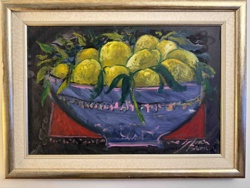
Submitted item photo
Submitted photo · June 15, 2026

User's notes

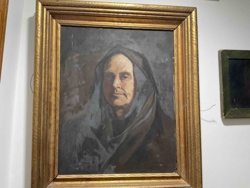
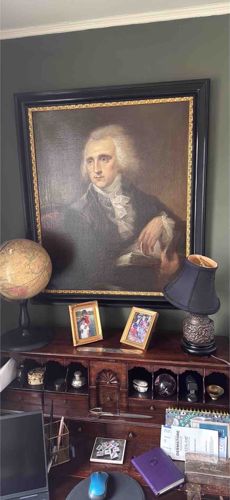
Old painting of great great great grandfather

AI analysis below

AI appraisal

AI analysis & estimate

AI-Generated · Verify before acting

Everything below is generated by AI for informational purposes only. AI can make mistakes — the AI may misidentify items or misattribute them (artist, maker, brand, designer, origin, era). This is not an official valuation and should not be used for insurance, sale, tax, estate, legal, or lending purposes — or any decision requiring a certified appraisal. It is not an authoritative claim about any person, brand, or rights holder — do not share or rely on it as a factual statement about a third party. Always consult qualified professionals before making financial decisions.

Note

This analysis also relies on unverified notes provided by the user, which may be incomplete or inaccurate and could affect the result.

Read the full disclaimer

AI Identification

·Not independently authenticated·Verify before acting

18th-Century Georgian Style Male Portrait

Fine Art - Oil Paintings

AI Estimated Value

·Not an official valuation·Verify before acting

$1,500 - $3,000

As of June 15, 2026

AI Item Analysis

·AI can make mistakes·Verify before acting
A formal oil-on-canvas portrait depicting a seated gentleman, consistent with late 18th or early 19th-century European portraiture styles. The subject is shown in a three-quarter view, featuring white powdered hair (or a wig) typical of the Georgian era, dressed in a dark waistcoat and a crisp white cravat or jabot. He is holding a book, a common iconographic element symbolising erudition and status. The painting is housed in a substantial, likely modern or refurbished, black rectangular frame with a decorative gilded inner sight edge featuring beading or leaf-and-dart molding. The background is muted and dark, emphasizing the subject’s face and hands through chiaroscuro-like lighting. Notable features include the delicate rendering of the subject's features and the soft blending of tones in the skin and hair, indicating a skilled hand. Visually, the canvas appears to have age-related darkening or a yellowed varnish patina, though it remains in good displayable condition without obvious major tears or holes visible from the distance. The overall craftsmanship suggests a professional studio work from the Regency or late 18th-century period. Such an heirloom piece carries significant historical value as a genealogical record and an example of period fine art.
AI Appraisal Report

·AI can make mistakes·Verify before acting
Based on my visual examination of this oil on canvas portrait, I identify it as a characteristic example of late Georgian or Regency era British portraiture, likely dating between c. 1790 and 1820. The subject, depicted in typical attire including a powdered wig and starched cravat, and holding a book, presents the 'man of letters' typology popular among the gentry class of that period. The handling of the paint, particularly the soft modelling of the face and the skilled use of chiaroscuro to highlight the hands, suggests a competent professional hand, though not immediately attributable to a major master like Reynolds or Lawrence. The work sits firmly in the realm of 'Circle of' or 'School of' established studio artists. The condition appears fair to good for its age. There is noticeable yellowing of the varnish, which obscures the original colour palette, and significant craquelure is evident, consistent with 200-year-old canvas. The frame, while handsome with its gilded sight edge, appears to be a later 19th or 20th-century addition rather than the original. Market demand for anonymous male portraits is currently softer than for female sitters or children, but the historical competence of the painting maintains a solid baseline value. Critically, this appraisal is limited by the lack of physical inspection. To ascertain a higher value or specific attribution, I would require an in-person examination to view the stretcher bars for date stamps, check under UV light for overpainting or restoration, and inspect the canvas weave. Provenance documentation linking the ancestor to the artist would significantly increase the valuation.

Get your items appraised

Instant estimates of your treasures with AI-powered appraisals

Browse More Appraisals