AI identification & appraisal estimate

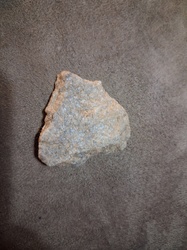
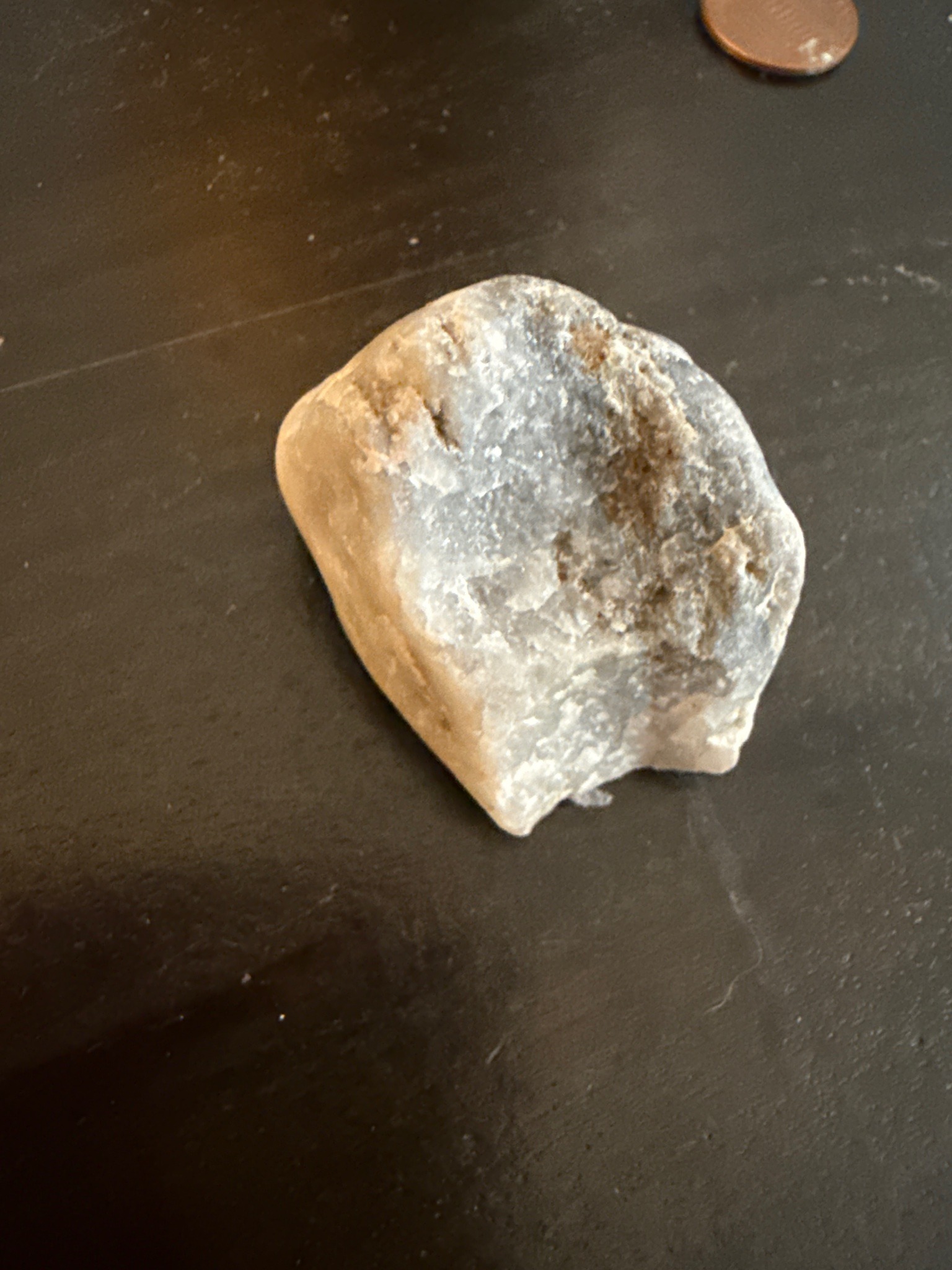
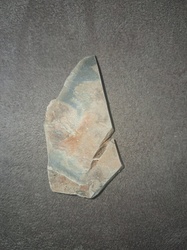
Tumbled quartz mineral specimen

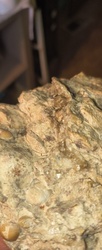
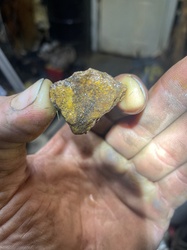
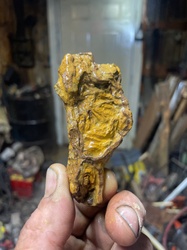
Submitted photo of Tumbled quartz mineral specimen
Photo submitted by the user — not generated by AI

AI Estimated Value

Not an official valuation

$10-30

AI estimate as of September 5, 2026 · verify with a professional before acting

AI-Generated · Verify before acting

Everything on this page is generated by AI for informational purposes only. AI can make mistakes — the AI may misidentify items or misattribute them (artist, maker, brand, designer, origin, era). This is not an official valuation and should not be used for insurance, sale, tax, estate, legal, or lending purposes — or any decision requiring a certified appraisal. It is not an authoritative claim about any person, brand, or rights holder — do not share or rely on it as a factual statement about a third party. Always consult qualified professionals before making financial decisions.

Read the full disclaimer

AI Item Analysis

This specimen appears to be a naturally occurring tumbled or water-worn quartz pebble, displaying a mostly opaque to semi-translucent grayish-white coloration with subtle brownish matrix staining embedded in its crevices. The surface shows a mix of smoothed exterior areas resulting from environmental weathering and rougher, fractured inner facets. There are no visible maker's marks, stamps, or human-made inscriptions present on the surface, which is consistent with unworked raw or tumbled mineral specimens found in natural deposits. A US penny is visible in the upper right portion of the image to provide approximate scale, indicating the stone is roughly comparable in size to a small coin or palm stone. The condition appears weathered and natural, showing standard surface pitting, minor chips along the edges, and accumulated sediment within the micro-fractures. Without physical testing such as hardness scratch tests or microscopic analysis, the exact mineral variety cannot be unreservedly confirmed, though visual characteristics strongly resemble common milky quartz or chalcedony. The identification relies entirely on visual observation of crystal habit, fracture patterns, and color, and the item remains unauthenticated as a specific geological grade or lapidary specimen.
AI Appraisal Report

Based on what I can see in the provided image, the specimen appears to be a naturally occurring tumbled or water-worn quartz pebble, displaying a grayish-white coloration with subtle brownish matrix staining. I cannot verify from a photo alone the exact mineral composition, hardness, or geological origin, as physical testing such as a scratch test or microscopic analysis would be needed to confirm if this is common milky quartz, chalcedony, or another related variety. The visual characteristics suggest a common, unworked mineral specimen rather than a high-grade lapidary stone. Common tumbled quartz and palm stones of this type generally see modest demand among casual collectors, metaphysical enthusiasts, and crafters, with typical market values ranging between $10 and $30 depending on size, aesthetics, and local retail context. If this specimen were to turn out to be a synthetic replica, glass imitation, or a common mass-produced decorative stone rather than a natural quartz pebble, the value would likely drop to nominal novelty pricing of under $5. To fully establish the exact mineral identity, geological grade, and value, an in-person examination and potential scientific testing by a qualified mineralogist would be necessary.

Keep exploring

More minerals and fossils appraisals

Get your items appraised

Instant AI-powered appraisal estimates from a photo

Browse More Appraisals