AI identification & appraisal estimate

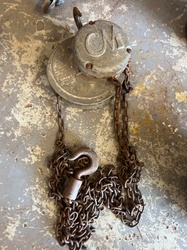
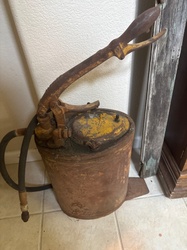
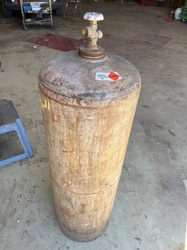
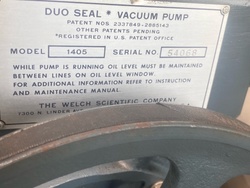
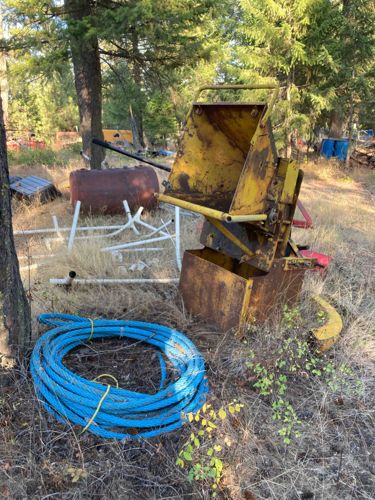
Heavy-Duty Material Chute/Hopper with Base

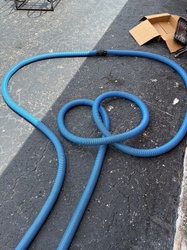
Submitted photo of Heavy-Duty Material Chute/Hopper with Base
Photo submitted by the user — not generated by AI

AI Estimated Value

Not an official valuation

$300-600

AI estimate as of September 27, 2025 · verify with a professional before acting

AI-Generated · Verify before acting

Everything on this page is generated by AI for informational purposes only. AI can make mistakes — the AI may misidentify items or misattribute them (artist, maker, brand, designer, origin, era). This is not an official valuation and should not be used for insurance, sale, tax, estate, legal, or lending purposes — or any decision requiring a certified appraisal. It is not an authoritative claim about any person, brand, or rights holder — do not share or rely on it as a factual statement about a third party. Always consult qualified professionals before making financial decisions.

Read the full disclaimer

AI Item Analysis

This appears to be a heavy-duty industrial or agricultural material handling unit, likely functioning as a chute or hopper for loading or unloading bulk materials. It comprises two primary sections: an upper, inverted-pyramid (or truncated pyramid) shaped hopper and a lower, rectangular base section. Both components are constructed from thick gauge metal, suggesting robust and durable construction for demanding applications. The dominant color is a weathered yellow, indicative of original industrial paint that has faded and accumulated significant grime and rust over time. The upper hopper features an open top with an angled rim, designed to funnel materials downwards. It has a structural frame around its top opening and prominent handles or lifting points on its sides, suggesting it might be designed for mechanical lifting or attachment to other machinery. The lower section is a box-like base, also made of heavy metal, presumably designed to receive materials from the upper hopper or to provide a stable platform for the entire unit. Both parts show extensive signs of outdoor exposure and heavy use, including widespread surface rust, chipped paint, dirt accumulation, and some minor dents or deformations in the metal. No specific manufacturer's marks or identifying labels are visible in the provided image, making it difficult to ascertain the exact age or origin. However, the construction style and wear patterns suggest it is an older piece of equipment, likely from the mid to late 20th century. The quality of craftsmanship is utilitarian, focused on strength and functionality rather than aesthetic appeal, which is typical for such industrial equipment. The presence of other salvaged items and a natural, unkempt environment suggests it might be part of an unused collection of machinery or scrap.
AI Appraisal Report

Upon visual examination of the provided image, I assess this heavy-duty material chute/hopper with its integrated base. The item appears authentic as industrial equipment designed for bulk material handling, likely from the mid to late 20th century. My assessment of its condition is rough; it exhibits significant wear consistent with outdoor exposure and heavy industrial use. This includes widespread surface rust, chipped and faded yellow paint, dirt accumulation, and some minor dents or deformations. The thick-gauge metal construction points to durability and functionality over aesthetics. Market conditions for such used industrial equipment are generally driven by utility and scrap value. While its robust build suggests it could still be functional, significant restoration or cleaning would be required. Comparables for items like this are typically found through industrial surplus auctions or salvage yards, where pricing is often set by weight for scrap metal or by specific project needs if a buyer requires a ready-to-use component. Demand for a generic, unbranded chute/hopper in this condition is moderate, primarily from individuals or businesses seeking functional, low-cost solutions rather than collectible pieces. Rarity is low; many similar industrial components exist. Factors significantly impacting value include its current heavily weathered state, lack of specific branding or historical significance, and unclear operational status. Its primary value lies in its material (steel scrap) and potential re-purposing for agricultural, construction, or custom fabrication projects. Without an in-person examination, I cannot definitively ascertain internal wear, structural integrity beyond what's visible, the exact type of metal, or any hidden damage. Verification of its precise origin, manufacturing specifics, or internal mechanisms would require direct inspection and potentially NDT (non-destructive testing) if functionality were paramount. My valuation reflects its current condition and potential as a sturdy, albeit worn, industrial component or scrap metal.

Keep exploring

More industrial equipment appraisals

Get your items appraised

Instant AI-powered appraisal estimates from a photo

Browse More Appraisals