AI Appraisal Estimate

AI-generated estimates · not official valuations

From the user

What was submitted

Photo and notes provided by the user — not generated by AI

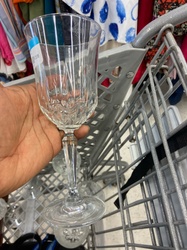
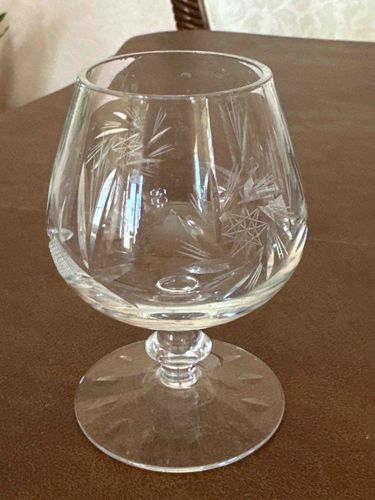
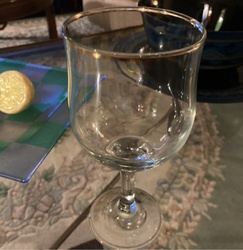
Submitted item photo
Submitted photo · June 10, 2026

User's notes

4” tall cut design stemware

AI analysis below

AI appraisal

AI analysis & estimate

AI-Generated · Verify before acting

Everything below is generated by AI for informational purposes only. AI can make mistakes — the AI may misidentify items or misattribute them (artist, maker, brand, designer, origin, era). This is not an official valuation and should not be used for insurance, sale, tax, estate, legal, or lending purposes — or any decision requiring a certified appraisal. It is not an authoritative claim about any person, brand, or rights holder — do not share or rely on it as a factual statement about a third party. Always consult qualified professionals before making financial decisions.

Note

This analysis also relies on unverified notes provided by the user, which may be incomplete or inaccurate and could affect the result.

Read the full disclaimer

AI Identification

·Not independently authenticated·Verify before acting

Vintage Cut Crystal Brandy Snifter

Antique & Vintage Glassware / Stemware

AI Estimated Value

·Not an official valuation·Verify before acting

$25 - $45

As of June 10, 2026

AI Item Analysis

·AI can make mistakes·Verify before acting
This is a vintage stemware piece, specifically a small brandy snifter or balloon glass, measuring approximately 4 inches in height. The item is crafted from clear lead crystal featuring a hand-cut wheel-etched design. The body of the bowl displays a classic 'Pinwheel' or 'Star' pattern, characterized by deep, radiating linear cuts and fine cross-hatching typical of mid-20th-century European or American glasswork. The bowl has a wide bottom tapering to a narrower rim, designed to capture aromatics. The stem is short with a decorative bulbous knop, leading down to a wide, circular base. Notably, the base also features radial star-burst cutting around the perimeter, which is a hallmark of higher-quality craftsmanship. The glass exhibits good clarity and brilliance, though minor surface dust and potential light scuffing on the underside of the base from shelf wear are visible. There are no immediate signs of significant chipping or clouding (sickness) in the glass. The style suggests it was likely manufactured between the 1950s and 1970s, possibly of Czech (Bohemian) or West German origin, though no specific acid-etched maker's mark is visible in the photograph. The weight and refractive quality of the deep cuts indicate a substantial lead content, common in fine vintage barware.
AI Appraisal Report

·AI can make mistakes·Verify before acting
Based on my examination of the 4-inch vintage cut crystal brandy snifter, I find the piece to be a high-quality example of mid-century lead crystal. The 'Pinwheel' or 'Star' pattern, combined with the detailed star-burst base and bulbous knop stem, points to European craftsmanship, likely of Bohemian/Czech or West German origin from the 1950s–1970s. The clarity and refractive brilliance suggest a lead content of 24% or higher. Condition-wise, the bowl appears free of 'glass sickness' or significant chipping. The minor shelf wear on the base is typical for authentic vintage stemware. However, without a visible acid-etched maker's mark (such as Waterford or Baccarat), the item is classified as 'unattributed fine crystal.' The current market for mid-century stemware is heavily saturated; while consumers value the quality of vintage lead crystal over modern soda-lime glass, individual snifters typically sell at lower price points unless part of a complete set. Factors impacting value include the lack of a known manufacturer and the shift in modern consumer preferences toward dishwasher-safe glassware. Similar single snifters in various 'Pinwheel' variations frequently sell on secondary markets (eBay, Etsy) within the $20 to $50 range. Limitations: This appraisal is based strictly on visual inspection of the image. A physical examination is required to verify the 'ring' of the glass (indicating lead content), check for flea bites along the deep cuts, and search for faint microscopic signatures. Full authentication would require provenance documentation or comparison against original manufacturer catalogs (e.g., Nachtmann or Bohemia Glass) to confirm the specific pattern name.

Get your items appraised

Instant estimates of your treasures with AI-powered appraisals

Browse More Appraisals