AI identification & appraisal estimate

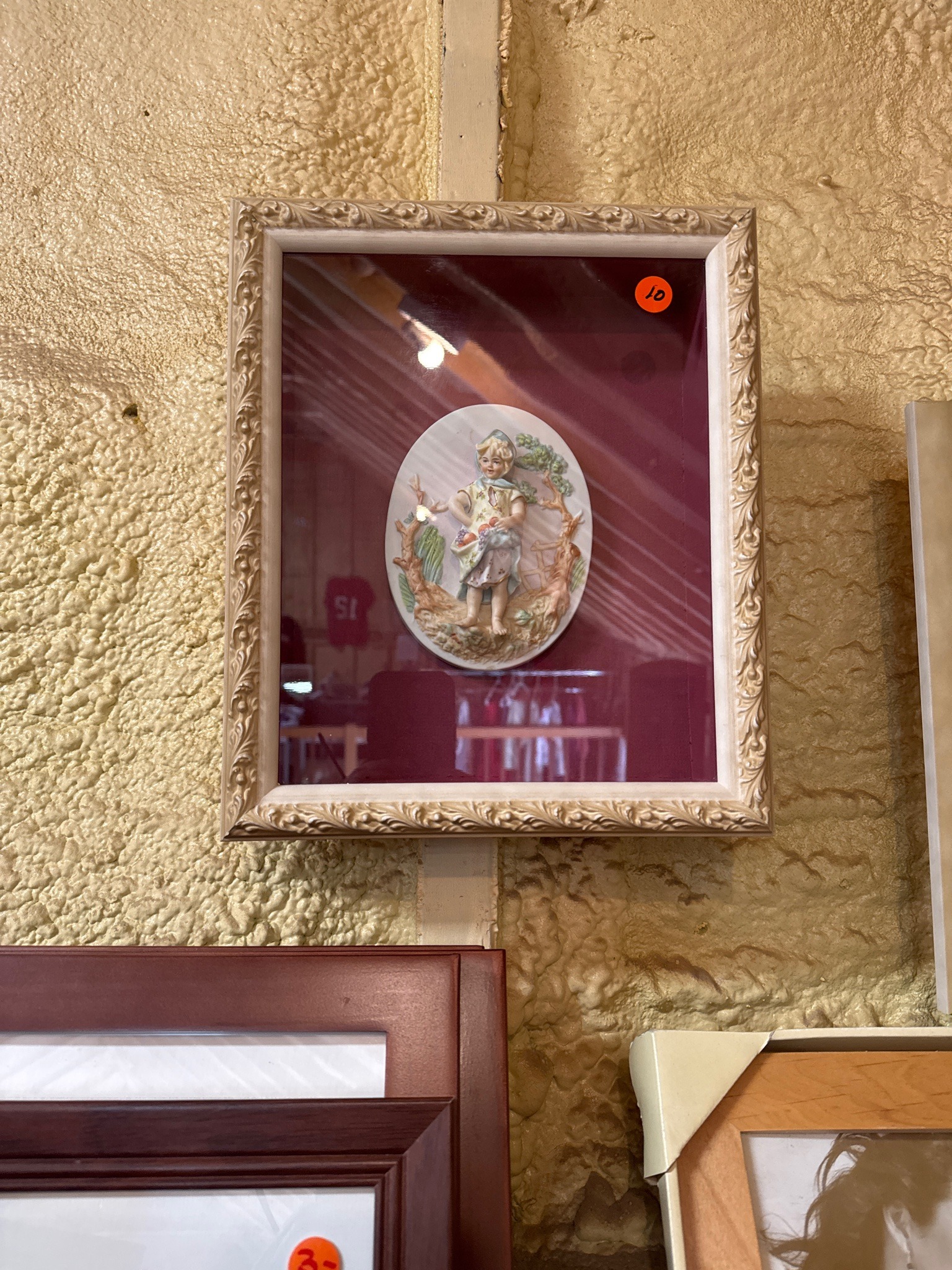
Framed Oval Bas-Relief Porcelain Plaque of a Young Girl

This name is the AI's identification of the item — it may be incorrect.

Submitted photo of Framed Oval Bas-Relief Porcelain Plaque of a Young Girl
Photo submitted by the user — not generated by AI

AI Estimated Value

Not an official valuation

$450 - $650

AI estimate as of April 28, 2026 · verify with a professional before acting

AI-Generated · Verify before acting

Everything on this page is generated by AI for informational purposes only. AI can make mistakes — the AI may misidentify items or misattribute them (artist, maker, brand, designer, origin, era). This is not an official valuation and should not be used for insurance, sale, tax, estate, legal, or lending purposes — or any decision requiring a certified appraisal. It is not an authoritative claim about any person, brand, or rights holder — do not share or rely on it as a factual statement about a third party. Always consult qualified professionals before making financial decisions.

Read the full disclaimer

AI Item Analysis

This item is a framed decorative art piece featuring a central oval bas-relief porcelain plaque, likely of German origin (suggestive of Heubach or similar porcelain houses) dating to the late 19th or early 20th century. The plaque depicts a young girl in a pastoral setting, dressed in rustic folk-style clothing with a blue kerchief, holding a gathered apron filled with fruit or vegetables. The relief is finely modeled with a matte bisque finish and colored in soft pastel polychrome glazes including greens, blues, and earth tones. The porcelain is mounted against a deep burgundy or maroon velvet-like fabric backing, which provides a high-contrast background. The assembly is housed within a rectangular shadowbox-style frame. The frame features an ornate scrolling acanthus leaf or shell motif around the perimeter, finished in a cream or off-white paint with intentional distressing or age-related patina revealing hints of an underlying gold leaf or wood tone. Noted condition includes a circular orange price sticker (marked '10') on the protective glass surface, which indicates its current retail environment. There are no immediate signs of cracks or chips to the porcelain visible through the glass, though some dust accumulation is present along the interior edges of the molding. The craftsmanship shown in the delicate features of the child and the textural details of the surrounding foliage points to a high-quality decorative object from the Victorian or Edwardian era.
AI Appraisal Report

I have conducted a visual examination of this framed oval bas-relief porcelain plaque. The piece exhibits the hallmarks of high-quality late 19th-century German bisque, specifically characteristic of Gebrüder Heubach's 'Pâte-sur-pâte' style. The modeling shows excellent depth, particularly in the drapery of the girl's apron and the anatomical precision of her facial features. The soft polychrome palette remains vibrant, suggesting it has been protected from significant UV exposure. Condition appears excellent from a surface inspection; the matte bisque finish shows no visible 'flea bites' or hairline fractures, though the velvet substrate displays minor compression. The frame, while likely a later addition or heavily refinished in a shabby-chic aesthetic, complements the Victorian charm of the subject matter. Market demand for early 20th-century German porcelain remains steady among collectors of 'Grandmillennial' decor, though values have softened from their 1990s peak. Comparable sales for authenticated Heubach relief plaques of this size and detail typically fall within the $400 to $700 range. Rarity is moderate; while these were produced in series, finding examples with the polychrome detailing intact is less common than monochromatic white versions. The primary factor limiting value is the lack of visible maker’s marks, currently obscured by the mounting. For definitive authentication, I would require an out-of-frame inspection to verify the impressed sunburst or 'GH' marks on the reverse of the porcelain. Scientific testing is unnecessary, but provenance documentation—such as original purchase records or estate inventory—could provide more historical weight. This valuation assumes the porcelain is free of hidden professional restoration.

Keep exploring

More fine art ceramics & decorative wall hangings appraisals

Get your items appraised

Instant AI-powered appraisal estimates from a photo

Browse More Appraisals