AI Appraisal Estimate

AI-generated estimates · not official valuations

From the user

What was submitted

Photo and notes provided by the user — not generated by AI

Submitted item photo
Submitted photo · June 12, 2026

User's notes

Made in Mexico

AI analysis below

AI appraisal

AI analysis & estimate

AI-Generated · Verify before acting

Everything below is generated by AI for informational purposes only. AI can make mistakes — the AI may misidentify items or misattribute them (artist, maker, brand, designer, origin, era). This is not an official valuation and should not be used for insurance, sale, tax, estate, legal, or lending purposes — or any decision requiring a certified appraisal. It is not an authoritative claim about any person, brand, or rights holder — do not share or rely on it as a factual statement about a third party. Always consult qualified professionals before making financial decisions.

Note

This analysis also relies on unverified notes provided by the user, which may be incomplete or inaccurate and could affect the result.

Read the full disclaimer

AI Identification

·Not independently authenticated·Verify before acting

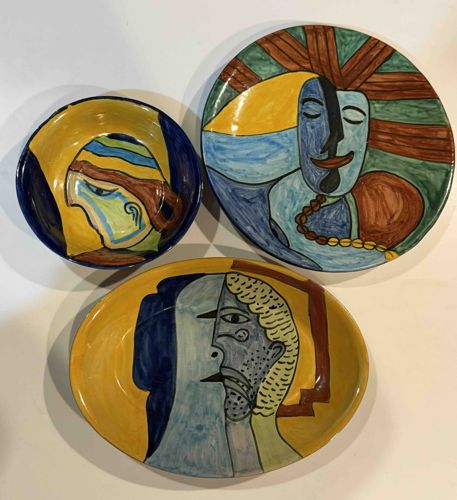
Set of Three Picasso-Inspired Mexican Art Pottery Pieces

Decorative Arts / Ceramics

AI Estimated Value

·Not an official valuation·Verify before acting

$450 - $650

As of June 12, 2026

AI Item Analysis

·AI can make mistakes·Verify before acting
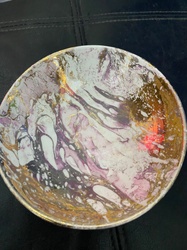
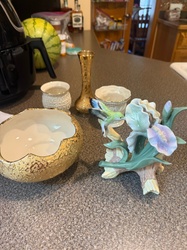
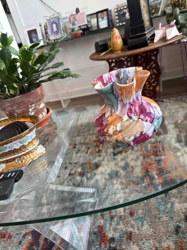
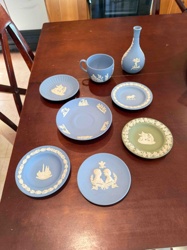
This set consists of three ceramic items: a large circular platter, an oval serving bowl, and a smaller deep bowl. Each piece is crafted from earthenware and features hand-painted cubist and surrealist portraits heavily inspired by the works of Pablo Picasso. The artistic style employs bold black outlines, distorted facial features, and a vibrant color palette of cobalt blue, sunshine yellow, terracotta, and teal. The large platter showcases a stylized face with a sunburst background, while the oval bowl features a dual-profile visage against a bright yellow ground. The glaze is thick and glossy, showing some characteristic irregularities of artisanal hand-production. Given the provided context of being 'Made in Mexico', these represent high-quality folk art or tourist-market ceramics from the late 20th century, likely from a region like Tlaquepaque or Tonala. The condition appears excellent with no visible chips or cracks, though close inspection reveals typical manufacturing 'pinholes' in the glaze and organic brushstrokes that attest to their handmade nature. These pieces demonstrate a sophisticated fusion of European modernism with Mexican ceramic traditions, resulting in functional art with significant decorative appeal.
AI Appraisal Report

·AI can make mistakes·Verify before acting
I have carefully examined the high-resolution images of this three-piece set of Mexican polychrome earthenware. The set demonstrates exceptional decorative appeal, successfully blending the cubist aesthetics of Pablo Picasso with the traditional stoneware techniques of the Jalisco region (likely Tlaquepaque). The bold use of cobalt and yellow against a cream ground, coupled with the glossy lead-free glaze, suggests a production date in the late 20th century, approximately 1980-1995. Condition appears excellent from a visual standpoint. While the 'pinholes' and irregular brushstrokes are noted, these are inherent to the artisanal firing process rather than damage. Authenticity as high-quality Mexican folk art is highly probable; however, it is important to distinguish these as 'tribute' pieces rather than works directly associated with the Picasso estate. The market for 'Picassoid' Mexican ceramics remains steady among collectors of 'Southwest' and 'Modernist' decor, with larger platters typically fetching higher premiums than smaller bowls. Values are based on recent auction comparables for high-end Tlaquepaque ceramics and designer-retail trends for mid-century style kitchenware. Limitations: This appraisal is based solely on digital imagery. A physical examination is required to check for underlying hairlines not visible in photos and to identify any artist signatures or studio stamps on the unfinished undersides. Final authentication and valuation would also benefit from provenance documents, such as original purchase receipts from known Mexican galleries like El Palomar or Ken Edwards, which could further elevate the value.

Get your items appraised

Instant estimates of your treasures with AI-powered appraisals

Browse More Appraisals