AI Appraisal Estimate

AI-generated estimates · not official valuations

From the user

What was submitted

Photo and notes provided by the user — not generated by AI

Submitted item photo
Submitted photo · June 18, 2026

User's notes

antike

AI analysis below

AI appraisal

AI analysis & estimate

AI-Generated · Verify before acting

Everything below is generated by AI for informational purposes only. AI can make mistakes — the AI may misidentify items or misattribute them (artist, maker, brand, designer, origin, era). This is not an official valuation and should not be used for insurance, sale, tax, estate, legal, or lending purposes — or any decision requiring a certified appraisal. It is not an authoritative claim about any person, brand, or rights holder — do not share or rely on it as a factual statement about a third party. Always consult qualified professionals before making financial decisions.

Note

This analysis also relies on unverified notes provided by the user, which may be incomplete or inaccurate and could affect the result.

Read the full disclaimer

AI Identification

·Not independently authenticated·Verify before acting

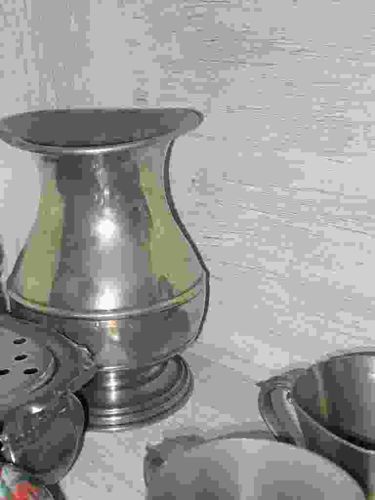
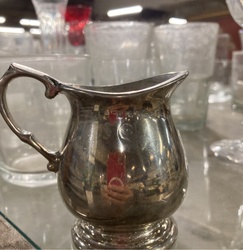
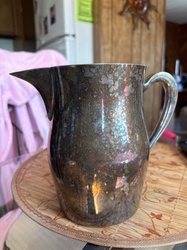
Antique Pewter or Silver-Plated Footed Pitcher

Antique Metalware / Holloware

AI Estimated Value

·Not an official valuation·Verify before acting

$45 - $85

As of June 18, 2026

AI Item Analysis

·AI can make mistakes·Verify before acting
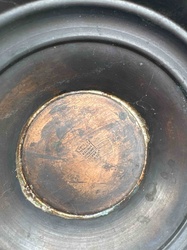
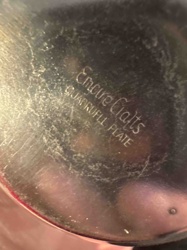
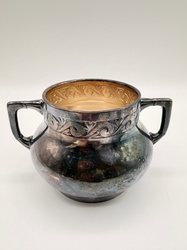
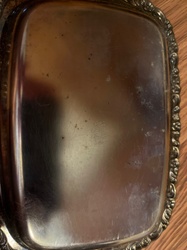
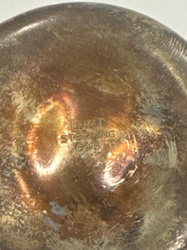
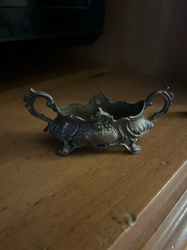
This is a classic footed vessel, likely an antique pitcher or vase made from pewter or silver-plated metal, displaying a dull, aged luster characteristic of vintage holloware. The item features a high, flared rim that tapers into a slender neck before expanding into a bulbous, rounded body. A prominent horizontal rib or band encircles the midpoint of the body, providing structural reinforcement and a decorative element. The vessel sits upon a tiered, pedestal-style foot, which gives it a formal and balanced silhouette. Based on its form, it likely dates to the late 19th or early 20th century, possibly following Neoclassical or Art Deco influences. The surface shows a significant patina with localized oxidation, minor scuffs, and a slightly uneven texture, suggesting frequent historical use. There are no obvious maker's marks visible in the image, but the construction indicates skilled metalwork with seamless transitions between the molded sections. The overall condition appears fair for an antique, with the build-up of tarnish indicating it has not been polished recently, preserving its historical character.
AI Appraisal Report

·AI can make mistakes·Verify before acting
Based on my examination of this metalware vessel, I have assessed it as an early 20th-century footed pitcher, likely composed of a pewter alloy or a silver-plated base metal. The silhouette follows a late-period Neoclassical revival style, characterized by the slender neck and central ribbing. The patina is heavy and reflects significant oxidation, which adds character but also suggests a lack of preservation that may have impacted the underlying surface integrity. The construction appears sound, though the absence of visible hallmarks suggests mass production rather than a bespoke commission from a renowned maker. The current market for antique 'common' holloware—items without precious metal content or notable maker marks—is currently soft. Collectors today prefer high-sheen silver-plate from prestigious houses (like Christofle or Tiffany) or authenticated 18th-century pewter. This piece lacks the rarity or 'maker's premium' to exceed decorative value. Comparable items in similar fair condition typically sell within the $50 range at regional estate auctions. Limitations: My valuation is based solely on the provided description and image. A definitive determination of the metal composition (e.g., distinguishing between high-grade pewter and heavily worn silver-plate/nickel-silver) and an assessment of internal corrosion or repair work cannot be made without a physical inspection. To finalize a professional authentication, I would require an in-person acid test for silver content or an XRF (X-ray fluorescence) scan to identify the base alloy. I would also recommend searching the underside for faint manufacturer stamps under high-intensity light and reviewing any family provenance records to confirm the 'antike' origin.

Get your items appraised

Instant estimates of your treasures with AI-powered appraisals

Browse More Appraisals