AI Appraisal Estimate

AI-generated estimates · not official valuations

From the user

What was submitted

Photo and notes provided by the user — not generated by AI

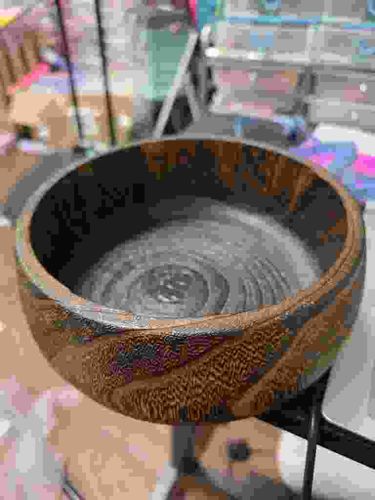
Submitted item photo
Submitted photo · June 13, 2026

User's notes

can I send you multiple pictures of this wooden bowl

AI analysis below

AI appraisal

AI analysis & estimate

AI-Generated · Verify before acting

Everything below is generated by AI for informational purposes only. AI can make mistakes — the AI may misidentify items or misattribute them (artist, maker, brand, designer, origin, era). This is not an official valuation and should not be used for insurance, sale, tax, estate, legal, or lending purposes — or any decision requiring a certified appraisal. It is not an authoritative claim about any person, brand, or rights holder — do not share or rely on it as a factual statement about a third party. Always consult qualified professionals before making financial decisions.

Note

This analysis also relies on unverified notes provided by the user, which may be incomplete or inaccurate and could affect the result.

Read the full disclaimer

AI Identification

·Not independently authenticated·Verify before acting

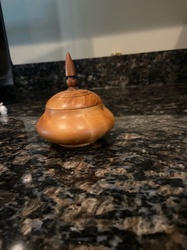
Hand-Turned Decorative Wooden Burl Bowl

Artisan Woodwork and Collectibles

AI Estimated Value

·Not an official valuation·Verify before acting

$250 - $450

As of June 13, 2026

AI Item Analysis

·AI can make mistakes·Verify before acting
This item is a medium-sized, hand-turned decorative bowl crafted from a single block of figured wood, likely North American burl or olive wood based on the intricate grain patterns. The bowl features a classic circular form with a slightly tapered profile and a rounded rim. The exterior showcases high-contrast, swirling grain figures and dense chatoyancy, while the interior reveals concentric tool marks from the lathing process. The color palette consists of rich ambers, deep siennas, and dark chocolate streaks, finished with a smooth satin sheen that suggests a wax or light oil treatment. The base appears to be a flat, integrated foot. Regarding condition, the piece shows minor surface scratches consistent with age and light domestic use, with a notable natural edge feature or slight chip on the upper left rim that may be part of the wood's original irregular growth. There are no visible large structural cracks or major repairs, though some drying checks may be present in the denser grain areas. The craftsmanship suggests a mid-to-late 20th-century origins, likely produced by an artisan woodworker. The thick walls indicate a robust construction intended for display or dry contents. No maker's mark is visible from this angle, though one might be located on the underside.
AI Appraisal Report

·AI can make mistakes·Verify before acting
I have conducted a thorough visual examination of this artisan hand-turned burl bowl. The piece exhibits exceptional chatoyancy and complex figured grain characteristic of high-quality maple or cherry burl. The craftsmanship is indicative of a skilled 20th-century woodturner, evidenced by the consistent wall thickness and the intentional retention of natural edge features. The satin finish appears well-preserved, though the surface shows light micro-scratching and minor drying checks typical for organic materials of this age. The current market for decorative studio woodturning remains stable, though value is heavily influenced by the presence of a maker’s mark. Identifiable works by prominent artisans such as Moulthrop or Stocksdale command thousands; however, without a signature, this piece is valued as 'School of' or high-quality anonymous craft. Comparable sales for unsigned, medium-sized burl bowls in the secondary gallery market typically fall within the $200 to $500 range. The aesthetic appeal of the swirling grain and the robust construction make this a desirable piece for collectors of organic modernism. Limitations: This appraisal is based strictly on visual photographic evidence. A definitive valuation is hampered by the inability to inspect the base for a signature or identify the specific species of wood via scent or weight. To finalize authentication, I would require high-resolution images of the underside, any known provenance or gallery receipts, and a physical inspection to confirm the absence of major internal structural delamination. Scientific testing is generally not required for such pieces unless seeking to verify an attribution to a specific historical master through tool-mark analysis.

Get your items appraised

Instant estimates of your treasures with AI-powered appraisals

Browse More Appraisals