AI Appraisal Estimate

AI-generated estimates · not official valuations

From the user

What was submitted

Photo and notes provided by the user — not generated by AI

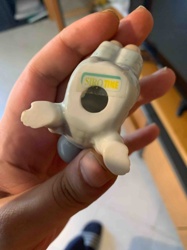
Submitted item photo
Submitted photo · June 9, 2026

User's notes

No additional notes provided.

AI analysis below

AI appraisal

AI analysis & estimate

AI-Generated · Verify before acting

Everything below is generated by AI for informational purposes only. AI can make mistakes — the AI may misidentify items or misattribute them (artist, maker, brand, designer, origin, era). This is not an official valuation and should not be used for insurance, sale, tax, estate, legal, or lending purposes — or any decision requiring a certified appraisal. It is not an authoritative claim about any person, brand, or rights holder — do not share or rely on it as a factual statement about a third party. Always consult qualified professionals before making financial decisions.

Read the full disclaimer

AI Identification

·Not independently authenticated·Verify before acting

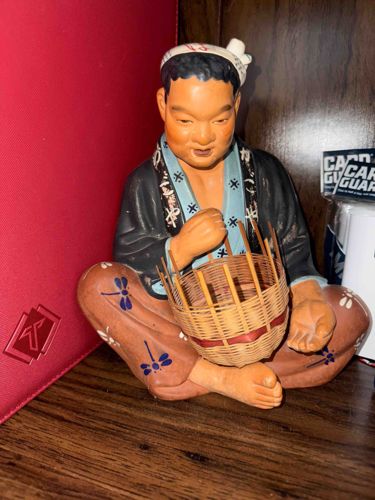
Seated Ceramic Figure with Woven Basket

Figurine / Decorative Collectible

AI Estimated Value

·Not an official valuation·Verify before acting

$40-70

As of June 9, 2026

AI Item Analysis

·AI can make mistakes·Verify before acting
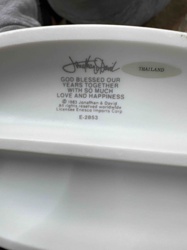
This item is a ceramic figurine depicting a seated Asian individual, likely male, holding a wicker basket. The figure is cross-legged, with a naturalistic, somewhat simplified portrayal of bare feet. The skin tone is a warm, earthy ochre, contrasting with the dark hair, which is covered partly by a white headwrap or band with what appear to be red characters or symbols. The figure is dressed in a dark blue or black robe with wide sleeves, featuring light blue trim with white or light-colored snowflake-like or asterisk-like patterns. The trousers are a reddish-brown color, adorned with dark blue and white stylized dragonfly motifs. The basket held by the figure is made of woven wicker with a lighter natural shade and a band of red at the base. The overall construction suggests a molded ceramic base, painted by hand, as indicated by visible brushstrokes and slight imperfections in the patterning, adding to its character. The condition appears good overall, with no obvious chips, cracks, or significant paint loss visible from the image, although some minor surface wear or dust might be present. The style suggests a mid-20th century to late 20th century decorative piece, possibly mass-produced but with individual hand-finished elements. The craftsmanship is decent for a decorative item, emphasizing traditional attire and a cultural motif through the basket and patterned clothing. No discernible maker's marks or signatures are visible in the provided image.
AI Appraisal Report

·AI can make mistakes·Verify before acting
Upon examining the provided image of this seated ceramic figure, I note its generally good condition, with no visible chips, cracks, or significant paint loss. The hand-painted details, such as the brushstrokes and slight imperfections in patterning, confirm its decorative nature and hand-finished elements, typical of mass-produced items from the mid to late 20th century. Authenticity in terms of its ceramic origin and decorative intent is clear from the visual cues. Market conditions for such decorative ceramic figures are modest. While charming, these items are not typically rare and often fall into the general home decor category rather than fine art or collectible antiques. Comparables in the market for similar mid-century decorative ceramics with cultural motifs suggest a range, primarily driven by visual appeal and condition rather than intrinsic artistic value or provenance. Demand is relatively stable but not high, primarily from collectors of unique decorative ceramics or individuals seeking specific ethnic-themed decor. The absence of maker's marks, while not uncommon for this type of item, prevents attribution to a specific manufacturer, which limits potential for higher value associated with known producers. Factors impacting value are primarily its good condition and pleasant aesthetic. A significant limitation of this appraisal is the absence of a physical examination. To fully verify authenticity beyond what's visually apparent, such as the material composition, a physical inspection would be crucial. Furthermore, provenance documentation would be needed to establish its history, origin, and any specific cultural significance, which could elevate its value. Scientific testing, such as material analysis, would only be pursued if there were questions regarding the ceramic type or paint composition, which are not apparent from the image.

Get your items appraised

Instant estimates of your treasures with AI-powered appraisals

Browse More Appraisals