AI Appraisal Estimate

AI-generated estimates · not official valuations

From the user

What was submitted

Photo and notes provided by the user — not generated by AI

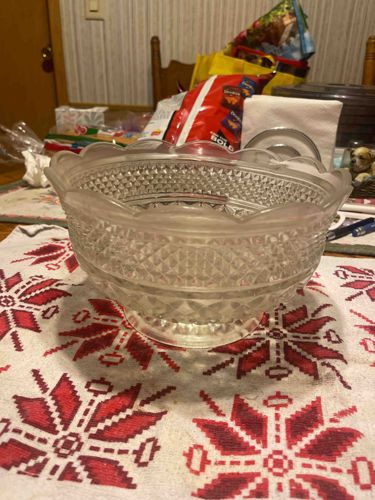
Submitted item photo
Submitted photo · June 17, 2026

User's notes

No additional notes provided.

AI analysis below

AI appraisal

AI analysis & estimate

AI-Generated · Verify before acting

Everything below is generated by AI for informational purposes only. AI can make mistakes — the AI may misidentify items or misattribute them (artist, maker, brand, designer, origin, era). This is not an official valuation and should not be used for insurance, sale, tax, estate, legal, or lending purposes — or any decision requiring a certified appraisal. It is not an authoritative claim about any person, brand, or rights holder — do not share or rely on it as a factual statement about a third party. Always consult qualified professionals before making financial decisions.

Read the full disclaimer

AI Identification

·Not independently authenticated·Verify before acting

Pressed Glass Scalloped Edge Bowl

Serveware

AI Estimated Value

·Not an official valuation·Verify before acting

$25-45

As of June 17, 2026

AI Item Analysis

·AI can make mistakes·Verify before acting
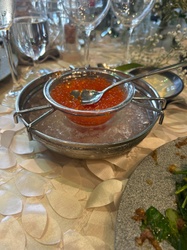
This is a clear, pressed glass bowl featuring a scalloped rim and a diamond-point pattern. The bowl appears to be of a medium size, suitable for serving side dishes, salads, or acting as a decorative centerpiece. Its overall form is circular with a distinct base that elevates the main body of the bowl. The most prominent physical characteristic is the intricate, repetitive diamond cut or pressed pattern that covers the exterior surface from just below the rim to the base, providing texture and catching light effectively. The rim itself is characterized by a series of gentle, undulating scallops, adding a decorative flourish. There are no visible chips, cracks, or significant damage, suggesting it is in good to very good condition for its type. The glass appears to be clear, indicative of a quality or at least well-preserved material. There are no discernible maker's marks, signatures, or stamps visible from the provided image. The style suggests it could date from the late 19th to mid-20th century, a popular period for pressed glass production. The craftsmanship appears competent, with a clear mold definition and a smooth, finished edge despite the intricate pattern. Its common design elements make it a versatile piece for various domestic settings.
AI Appraisal Report

·AI can make mistakes·Verify before acting
Based on my visual examination of the provided image, this clear, pressed glass scalloped edge bowl with a diamond-point pattern appears to be in good to very good condition. I observe no chips, cracks, or significant damage, which positively impacts its perceived value. The clarity of the glass and the definition of the pressed pattern suggest competent craftsmanship typical of its era. This style of pressed glass was widely produced from the late 19th through the mid-20th century, making it a common find in the current market. Market conditions for general pressed glass bowls of this type are relatively stable but not high. Comparable items, even those in excellent condition, typically fetch modest prices at antique shops, online marketplaces, and estate sales. The widespread availability of similar pieces means demand is moderate but rarity is low. The lack of discernible maker's marks is a significant factor; without a known manufacturer or a particularly sought-after pattern, it falls into the general decorative pressed glass category. Factors impacting its value include its condition, utility as a serving piece, and decorative appeal. Its common design elements make it versatile for various domestic settings, but this also limits its collectible niche. My valuation is primarily based on its decorative and functional merit rather than its rarity. It is crucial to note that my authenticity and condition assessment is limited to visual examination of the image. For full authentication and a definitive condition report, an in-person examination is essential to detect subtle flaws (e.g., fleabites, minor scratches, manufacturing imperfections like straw marks or mold lines, glass clarity issues that aren't apparent in the photo). Provenance documentation would also be needed to potentially link it to a specific manufacturer or period, though this is rare for unmarked pressed glass of this common type. Scientific testing is generally not required for such items.

Get your items appraised

Instant estimates of your treasures with AI-powered appraisals

Browse More Appraisals