AI identification & appraisal estimate

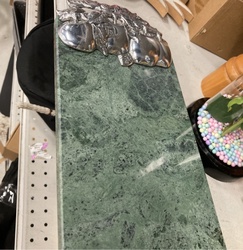
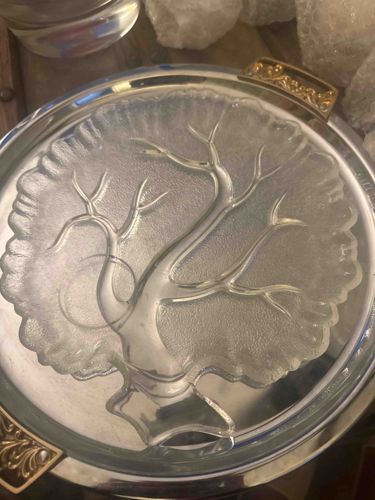
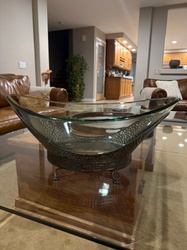
Art Glass Serving Tray with Metal Trim

Submitted photo of Art Glass Serving Tray with Metal Trim
Photo submitted by the user — not generated by AI

AI Estimated Value

Not an official valuation

$60-120

AI estimate as of September 29, 2025 · verify with a professional before acting

AI-Generated · Verify before acting

Everything on this page is generated by AI for informational purposes only. AI can make mistakes — the AI may misidentify items or misattribute them (artist, maker, brand, designer, origin, era). This is not an official valuation and should not be used for insurance, sale, tax, estate, legal, or lending purposes — or any decision requiring a certified appraisal. It is not an authoritative claim about any person, brand, or rights holder — do not share or rely on it as a factual statement about a third party. Always consult qualified professionals before making financial decisions.

Read the full disclaimer

AI Item Analysis

This item is a circular serving tray predominantly crafted from clear art glass, featuring a distinctive embossed or sandblasted design of a tree motif on its surface. The tree design, positioned centrally, displays a prominent trunk and multiple branching limbs, creating a visually interesting texture against the smoother surrounding glass. The 'leaves' or outer portion of the tree are rendered with a ruffled or scalloped edge, adding to its artisanal appearance. The glass component is encased within a silver-toned metal rim, which forms the outer edge of the tray. This metal rim appears to be polished, reflecting light and providing a contrast to the frosted-like texture of the glass design. Two ornate gold-toned metal handles are attached to the silver-toned rim, positioned diametrically opposite each other. These handles feature intricate, raised scrollwork or floral patterns, suggesting a decorative and possibly neoclassical or art deco influence. The overall condition appears good, with no immediately visible chips or cracks in the glass. The metal components show some reflective sheen, indicating a good state of preservation, though minor surface wear or patina might be present upon closer inspection, particularly on the gold-toned handles. The combination of clear and frosted glass textures, along with the mixed metal finishes, points to a period likely from the mid-20th century, possibly 1950s-1970s, where such decorative serving ware was popular. The craftsmanship suggests a manufactured item, possibly from a well-known glass or decorative item producer.
AI Appraisal Report

I have examined the provided image of this Art Glass Serving Tray with Metal Trim. Visually, the tray appears to be in good overall condition, with no immediate chips or cracks visible in the glass. The silver-toned metal rim and gold-toned handles show a good reflective sheen, suggesting a well-preserved state, though minor surface wear or patina, common with age and use, cannot be ruled out without a tactile inspection. Authenticity, based solely on the image, points to a decorative serving piece likely from the mid-20th century (1950s-1970s). The combination of embossed art glass and mixed metals was popular during this period. The craftsmanship suggests a commercially produced item rather than a unique artisan piece. Market conditions for vintage decorative serving trays of this style are generally stable but not exceptionally strong. Comparable items often fetch modest prices, depending on the manufacturer and specific design. While the tree motif and scalloped edges are attractive, similar decorative glass trays are not exceedingly rare. Demand typically comes from collectors of vintage home decor or those seeking unique serving pieces. The intricate gold-toned handles add a touch of elegance that could slightly increase its appeal. A significant limitation in this appraisal is the lack of physical inspection. I cannot confirm the exact material composition of the metals (e.g., sterling silver vs. silver-plated, brass vs. gilt metal), nor can I scrutinize the glass for maker's marks, minor abrasions, or internal flaws. Full authentication would require an in-person examination to search for manufacturer's marks, assess the true condition of the metal components for tarnish or wear, and test the glass for type and potential origin. Provenance documentation, if available, would also greatly assist in confirming its history and maker. Without these, the appraisal remains an estimate based on visual characteristics and general market trends for comparable decorative serveware.

Keep exploring

More decorative serveware appraisals

Get your items appraised

Instant AI-powered appraisal estimates from a photo

Browse More Appraisals