AI estimate as of September 6, 2025 · verify with a professional before acting
AI-Generated · Verify before acting
Everything on this page is generated by AI for informational purposes only. AI can make mistakes — the AI may misidentify items or misattribute them (artist, maker, brand, designer, origin, era). This is not an official valuation and should not be used for insurance, sale, tax, estate, legal, or lending purposes — or any decision requiring a certified appraisal. It is not an authoritative claim about any person, brand, or rights holder — do not share or rely on it as a factual statement about a third party. Always consult qualified professionals before making financial decisions.
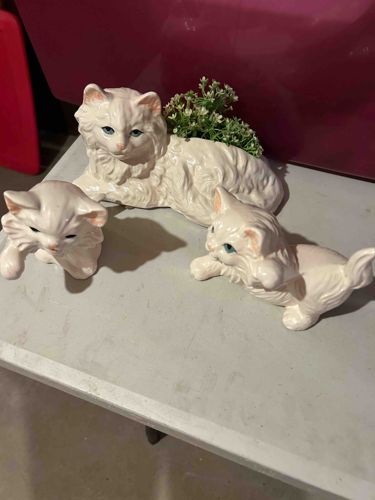
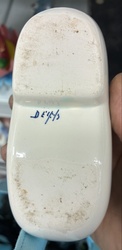
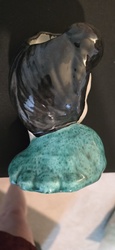
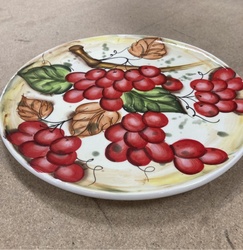
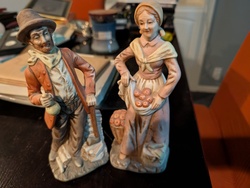
This set features a large ceramic white cat planter accompanied by two smaller ceramic cat figurines, all rendered in a similar style. The large cat, likely representing a mother cat, is depicted in a reclining or loafing position with an opening on its back, designed to hold small plants or artificial floral arrangements, as suggested by the green artificial foliage currently residing within it. All three pieces are crafted from what appears to be glazed ceramic or porcelain, exhibiting a creamy, off-white hue throughout their bodies, characteristic of many vintage ceramic animal figures. The cats possess distinct facial features, including detailed ears with a hint of pinkish interior, and striking blue eyes that provide a vibrant contrast to their white fur. The texture of the ceramic is molded to mimic the appearance of long, fluffy cat fur, particularly noticeable on the chests, legs, and tails, suggesting a Persian or similar long-haired breed. The craftsmanship indicates a mass-produced item from the mid-to-late 20th century, likely 1960s-1980s, given the typical design and material use of that period for decorative home goods. There are no immediately visible chips, cracks, or significant damage on the glazed surfaces from the provided image. The overall condition appears good, with some possible minor surface dirt or dust, but no major condition issues. The underside or back of the pieces would need to be inspected for maker's marks, as these were often produced by various ceramic manufacturers during that era. The pieces exhibit a charming, somewhat kitsch aesthetic, popular in mid-century home decor.
AI Appraisal Report
Based on my visual examination of the provided image of this Vintage Ceramic White Cat Planter and Figurines Set, I assess its condition as good. The glaze appears intact with no immediate signs of chips, cracks, or significant surface abrasions. The artificial foliage in the planter suggests it has been used decoratively, but this does not detract from the ceramic’s condition. Authenticity, based solely on imagery, points to a mass-produced decorative ceramic from the mid-to-late 20th century, likely 1960s-1980s, given the style, materials, and common manufacturing trends of similar animal figures. Without physical inspection, I cannot confirm specific maker’s marks, which are crucial for full authentication and sometimes for distinguishing manufacturers within this common genre.
Market conditions for vintage decorative ceramics, particularly ‘kitsch’ animal figures, are generally stable but do not command high prices unless associated with a particularly renowned maker or exceptional rarity. Comparables in the online marketplace (e.g., Etsy, eBay, dedicated vintage decor sites) for similar ceramic cat sets typically range from $30 to $80, depending on size, condition, and completeness of a set. This set of three pieces, with the planter, adds to its appeal. Demand for these items is driven primarily by collectors of mid-century decor or cat-themed items. Rarity is low; countless variations of animal figures were produced during this period. Factors impacting value positively include the complete set and seemingly good condition. Negatively, the mass-produced nature and lack of immediately identifiable valuable maker’s marks limit its top-end potential.
For a full authentication and more precise valuation, I would need a physical inspection to check for maker’s marks on the underside of each piece, assess any subtle crazing or hairline fractures not visible in the image, and verify the weight and feel of the ceramic. Provenance documentation, such as original sales receipts or family history, would also be beneficial but is rarely available for items of this nature. No scientific testing would typically be required for this type of item.