AI Appraisal Estimate

AI-generated estimates · not official valuations

From the user

What was submitted

Photo and notes provided by the user — not generated by AI

Submitted item photo
Submitted photo · June 10, 2026

User's notes

Vase. Manufacturer indicated on. Bottom

AI analysis below

AI appraisal

AI analysis & estimate

AI-Generated · Verify before acting

Everything below is generated by AI for informational purposes only. AI can make mistakes — the AI may misidentify items or misattribute them (artist, maker, brand, designer, origin, era). This is not an official valuation and should not be used for insurance, sale, tax, estate, legal, or lending purposes — or any decision requiring a certified appraisal. It is not an authoritative claim about any person, brand, or rights holder — do not share or rely on it as a factual statement about a third party. Always consult qualified professionals before making financial decisions.

Note

This analysis also relies on unverified notes provided by the user, which may be incomplete or inaccurate and could affect the result.

Read the full disclaimer

AI Identification

·Not independently authenticated·Verify before acting

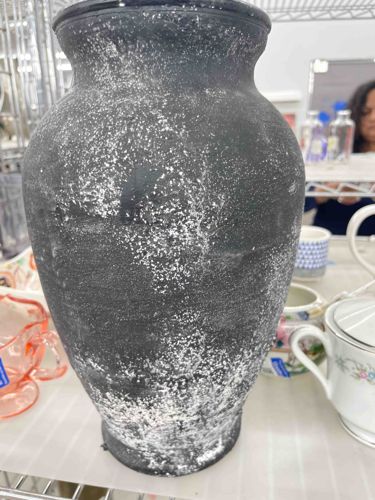
Weathered Black Decorative Vase

Decorative Vase

AI Estimated Value

·Not an official valuation·Verify before acting

$50 - $80

As of June 10, 2026

AI Item Analysis

·AI can make mistakes·Verify before acting
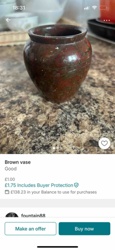
This item is a decorative ceramic vase, likely made of earthenware or stoneware, characterized by its substantial size and robust form. The vase features a classic, somewhat bulbous body that tapers gently towards a narrower neck and a flared rim. The overall color is a dark, matte charcoal gray or black, which forms the base layer of its finish. A distinctive 'weathered' or 'distressed' effect has been applied to the surface, creating a stark visual contrast with a white, powdery residue that simulates age, mineral deposits, or efflorescence. This white substance is unevenly distributed, more concentrated towards the base and lower half of the body, and appears to be intentionally part of the design rather than actual damage. The texture of the vase beneath the white surface appears slightly rough or granular, contributing to its rustic aesthetic. There are no immediate visible cracks, chips, or repairs, suggesting its structural integrity is intact. Given the style, it likely dates from the late 20th century to the present, designed to mimic ancient pottery or a contemporary industrial look. The craftsmanship appears competent for a mass-produced decorative item; the 'weathering' effect is consistently applied, indicating a manufactured finish rather than natural wear. There are no visible maker's marks or signatures in the provided image; however, the context suggests a manufacturing indication might be present on the bottom.

AI Appraisal Report

·AI can make mistakes·Verify before acting
Upon examining the images of this decorative vase, I assess it to be a contemporary, mass-produced item designed to emulate an ancient or weathered artifact. The piece is crafted from ceramic, likely earthenware, and features a robust, classic form with a deliberately applied distressed finish. This finish, characterized by a matte black base overlaid with a white, powdery effect, is a common decorative technique in modern home décor and does not indicate genuine antiquity. Its structural condition appears excellent, with no visible chips, cracks, or repairs. Given its style and manufacturing characteristics, the vase likely dates from the late 20th century to the present. The market for such decorative items is broad but highly competitive, primarily driven by interior design trends rather than collectibility. Comparable mass-market, large-scale decorative vases with similar rustic or industrial aesthetics typically retail in the $50 to $80 range. The value is primarily based on its decorative appeal, size, and current market trends. Its lack of discernible age, unique artistic origin, or rarity places it firmly in the decorative accessory category. A physical inspection to confirm the manufacturer's mark, material quality, and absence of hidden damage would be beneficial but is unlikely to significantly alter this valuation, as the item's primary value lies in its aesthetic function.

Get your items appraised

Instant estimates of your treasures with AI-powered appraisals

Browse More Appraisals