AI Appraisal Estimate

AI-generated estimates · not official valuations

From the user

What was submitted

Photo and notes provided by the user — not generated by AI

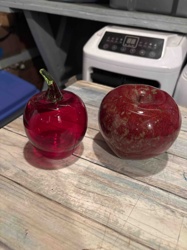
Submitted item photo
Submitted photo · June 10, 2026

User's notes

No additional notes provided.

AI analysis below

AI appraisal

AI analysis & estimate

AI-Generated · Verify before acting

Everything below is generated by AI for informational purposes only. AI can make mistakes — the AI may misidentify items or misattribute them (artist, maker, brand, designer, origin, era). This is not an official valuation and should not be used for insurance, sale, tax, estate, legal, or lending purposes — or any decision requiring a certified appraisal. It is not an authoritative claim about any person, brand, or rights holder — do not share or rely on it as a factual statement about a third party. Always consult qualified professionals before making financial decisions.

Read the full disclaimer

AI Identification

·Not independently authenticated·Verify before acting

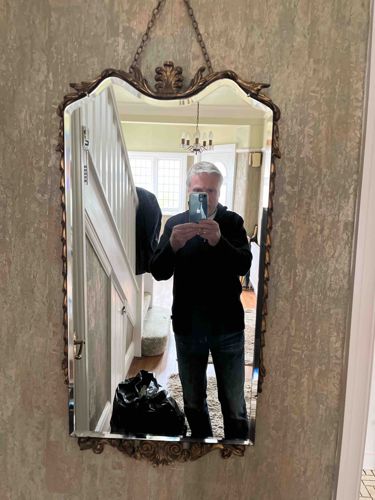
Rococo Revival Giltwood Wall Mirror

Decorative Art

AI Estimated Value

·Not an official valuation·Verify before acting

$600-900

As of June 10, 2026

AI Item Analysis

·AI can make mistakes·Verify before acting
This is a Rococo Revival style wall mirror, featuring an elaborately carved giltwood frame. The overall shape of the mirror glass is rectangular with a prominent arched or lobed top section and a similarly shaped bottom. The glass itself is beveled around the edges, adding depth and a finished look. The frame is asymmetrical and highly decorative, characterized by rocaille (shell-like) motifs, C-scrolls, and acanthus leaves, particularly prominent at the top crest and bottom apron. The gilding appears to be aged, exhibiting a warm, slightly dulled gold tone with areas where the patina has deepened, possibly showing some minor wear or rubbing that reveals the darker underlayers or wood beneath, though this is not clearly visible in the provided image. The mirror is suspended by a decorative brass or bronze chain, adding to its vintage aesthetic. The construction appears solid, with intricate joinery suggested by the complex curves and carvings. There are no discernible maker's marks or signatures visible from the image. The style points to a late 19th to early 20th-century aesthetic, characteristic of the Rococo Revival period, which often reinterpreted 18th-century French designs. The mirror shows good craftsmanship, evident in the detailed carvings, suggesting a quality piece intended for decorative use in an interior space. No significant damage like cracks or major losses to the frame are immediately apparent, though closer inspection would be required to confirm overall condition.
AI Appraisal Report

·AI can make mistakes·Verify before acting
I have examined the image provided for this Rococo Revival Giltwood Wall Mirror. Visually, the piece presents as a good example of the style, likely dating from the late 19th to early 20th century. The elaborate giltwood frame, characterized by rocaille, C-scrolls, and acanthus leaves, is typical of the Rococo Revival aesthetic. The beveled glass and decorative suspension chain add to its vintage appeal. The gilding appears aged with a warm patina, consistent with its likely age. Although the image suggests good overall condition with no obvious major damage, a closer physical inspection would be essential to confirm the integrity of the frame, look for hidden repairs, and assess any losses to the carving or gilt and determine the specific type of wood used. Without physical examination, I cannot definitively ascertain the extent of wear or minor damage that might affect value. I do not see any maker's marks, which is common for pieces of this era and type. In terms of market conditions, Rococo Revival furniture and decorative arts have a steady but not exceptionally robust demand. Decorative mirrors like this one appeal to a niche market looking for period-specific decor or accent pieces. Comparables for similar giltwood mirrors of this period, in good condition and without significant provenance, generally fall within the mid-range. While the craftsmanship appears good, the lack of a known maker limits its potential for higher investment value. Rarity is moderate; while not unique, well-preserved examples with intricate carving are less common than simpler forms. The primary factors impacting value here are its decorative appeal, condition, and authentic period style. The current appraisal range reflects a fair market value for a decorative period piece in what appears to be good, unrestored condition. Full authentication, especially regarding the age of the gilding and any restoration work, would require in-person examination and potentially UV light inspection.

Get your items appraised

Instant estimates of your treasures with AI-powered appraisals

Browse More Appraisals