Iron Pyrite Specimen (Fool's Gold)
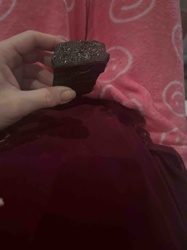
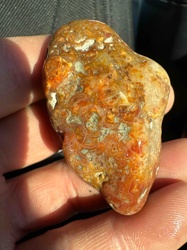
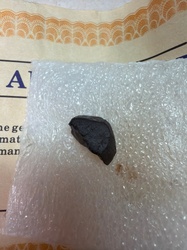
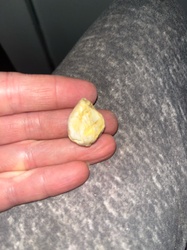
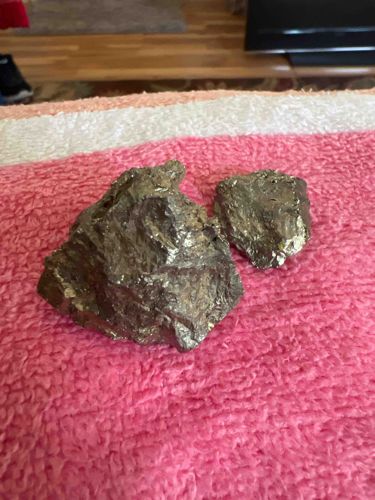
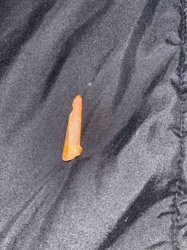
Shown here are two raw, unpolished specimens of iron pyrite, a common sulfide mineral with a distinct brass-yellow metallic luster. The primary specimen is a large, irregularly shaped mass with jagged, angular surfaces and a textured, uneven geometry. The smaller secondary specimen shares these same physical characteristics including the sharp, conchoidal to uneven fracture patterns. Both pieces exhibit a brilliant, pale-brass to golden metallic sheen that is characteristic of the mineral's chemical composition (iron disulfide). The surface texture is naturally complex, featuring small striations and crystalline facets that catch the light from different angles. There are visible dark inclusions and areas of duller oxidation, which are typical for naturally occurring mineral specimens and indicate they have not been artificially processed or tumbled. These specimens appear to be robust with no significant signs of crumbling or pulverization, suggesting a high density and sound physical integrity. The pieces lack the cubic crystal structure sometimes found in high-grade pyrite, which suggests they may have been extracted from a massive deposit rather than an open vein. In terms of condition, the pieces show no signs of 'pyrite disease' (acidic decay), though slight surface weathering is present. These are natural geological formations rather than manufactured goods, thus they carry no maker's marks or signatures.
AI-Generated Appraisal Disclaimer
Estimated Value
$45.00 - $65.00
Basic Information
Category
Rocks, Fossils & Minerals
Appraised On
March 2, 2026
Estimated Value
$45.00 - $65.00
Item Description
Shown here are two raw, unpolished specimens of iron pyrite, a common sulfide mineral with a distinct brass-yellow metallic luster. The primary specimen is a large, irregularly shaped mass with jagged, angular surfaces and a textured, uneven geometry. The smaller secondary specimen shares these same physical characteristics including the sharp, conchoidal to uneven fracture patterns. Both pieces exhibit a brilliant, pale-brass to golden metallic sheen that is characteristic of the mineral's chemical composition (iron disulfide). The surface texture is naturally complex, featuring small striations and crystalline facets that catch the light from different angles. There are visible dark inclusions and areas of duller oxidation, which are typical for naturally occurring mineral specimens and indicate they have not been artificially processed or tumbled. These specimens appear to be robust with no significant signs of crumbling or pulverization, suggesting a high density and sound physical integrity. The pieces lack the cubic crystal structure sometimes found in high-grade pyrite, which suggests they may have been extracted from a massive deposit rather than an open vein. In terms of condition, the pieces show no signs of 'pyrite disease' (acidic decay), though slight surface weathering is present. These are natural geological formations rather than manufactured goods, thus they carry no maker's marks or signatures.
Related Tags
Get Your Items Appraised
Instant estimates of your treasures with AI-powered instant appraisals