AI Appraisal Estimate

AI-generated estimates · not official valuations

From the user

What was submitted

Photo and notes provided by the user — not generated by AI

Submitted item photo
Submitted photo · May 20, 2026

User's notes

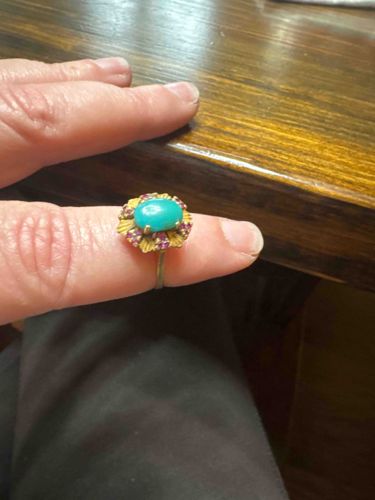
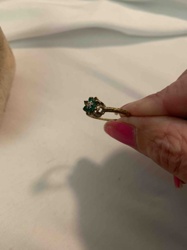
Solid gold ruby and turquoise ring from Iran 1975

AI analysis below

AI appraisal

AI analysis & estimate

AI-Generated · Verify before acting

Everything below is generated by AI for informational purposes only. AI can make mistakes — the AI may misidentify items or misattribute them (artist, maker, brand, designer, origin, era). This is not an official valuation and should not be used for insurance, sale, tax, estate, legal, or lending purposes — or any decision requiring a certified appraisal. It is not an authoritative claim about any person, brand, or rights holder — do not share or rely on it as a factual statement about a third party. Always consult qualified professionals before making financial decisions.

Note

This analysis also relies on unverified notes provided by the user, which may be incomplete or inaccurate and could affect the result.

Read the full disclaimer

AI Identification

·Not independently authenticated·Verify before acting

Vintage Persian Ruby and Turquoise Gold Cocktail Ring

Fine Jewelry - Vintage Rings

AI Estimated Value

·Not an official valuation·Verify before acting

$2,200 - $2,800

As of May 20, 2026

AI Item Analysis

·AI can make mistakes·Verify before acting
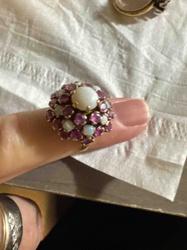
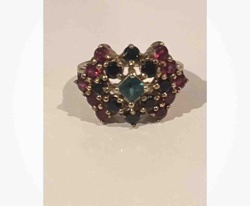
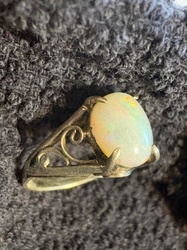
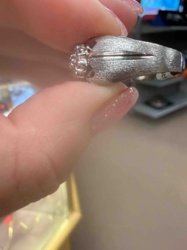
This is a vintage yellow gold cocktail ring, reportedly of Iranian (Persian) origin dating to approximately 1975. The central focus of the piece is a highly polished, oval-cut turquoise cabochon featuring a vibrant robin's egg blue hue with minimal visible matrix. This center stone is secured by multiple gold prongs and is encircled by a unique halo. The halo consists of textured, fan-like yellow gold petals interspersed with small, round-cut pinkish-red rubies set in clusters. The gold work displays a decorative, florentine-style texture that was popular during the mid-20th century. The ring features a relatively thin, polished gold band that appears slightly out-of-round from wear. In terms of condition, the metal shows a mild aged patina and light surface scratches consistent with use over several decades. The turquoise stone appears well-preserved with a high luster, though some of the rubies show slight variations in color saturation. The construction suggests a handmade or semi-custom piece of high-karat gold, likely 18k or higher, which is typical for Persian jewelry of this era. There are no maker's marks visible in the photograph, but the craftsmanship level belongs to the mid-to-high-end vintage jewelry category.
AI Appraisal Report

·AI can make mistakes·Verify before acting
I have virtually examined this Persian-origin cocktail ring, dating to circa 1975. The piece is a quintessential example of mid-century Iranian craftsmanship, characterized by its use of high-karat gold—likely 18k or 21k—and the classic combination of 'Persian Blue' turquoise with ruby accents. The central turquoise cabochon displays the highly coveted robin's egg blue color with no evidence of discoloration or 'greasiness,' which suggests high-quality stone selection. The Florentine finish on the textured gold petals reflects the artisanal techniques prevalent in Tehran's jewelry bazaars during the 1970s. Market demand for vintage Persian jewelry remains strong, particularly for pieces that retain their original stones and patina. The condition is graded as 'Good to Very Good'; while the band shows expected wear and the rubies exhibit natural color variance, the integrity of the setting remains intact. Comparables for 18k gold turquoise rings of this scale and provenance typically realize between $2,000 and $3,000 at specialized estate auctions. Limitations and Authentication: As this examination was conducted via photograph and description, several critical factors remain unverified. A physical inspection is required to confirm the gold purity through acid or XRF testing, as high-karat Iranian gold significantly impacts the melt value. Furthermore, I cannot definitively determine if the turquoise has undergone stabilization or if the rubies are natural or synthetic without a microscopic examination and refractive index testing. Full authentication would require a lab report (such as GIA) for the stones and a verified chain of provenance to confirm the 1975 Iranian origin.

Get your items appraised

Instant estimates of your treasures with AI-powered appraisals

Browse More Appraisals