AI Appraisal Estimate

AI-generated estimates · not official valuations

From the user

What was submitted

Photo and notes provided by the user — not generated by AI

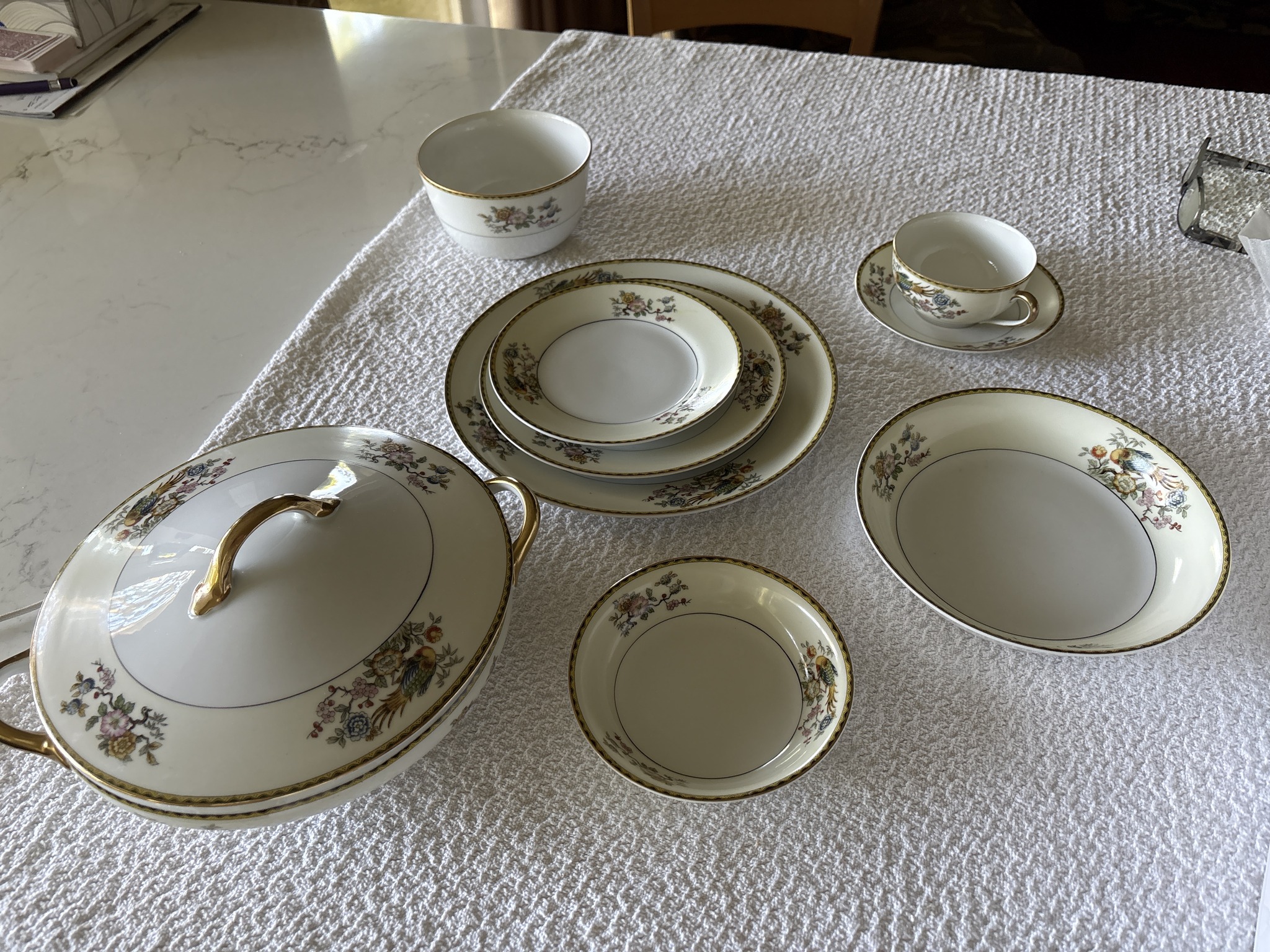
Submitted item photo
Submitted photo · June 12, 2026

User's notes

Noritake, Datonia pattern

AI analysis below

AI appraisal

AI analysis & estimate

AI-Generated · Verify before acting

Everything below is generated by AI for informational purposes only. AI can make mistakes — the AI may misidentify items or misattribute them (artist, maker, brand, designer, origin, era). This is not an official valuation and should not be used for insurance, sale, tax, estate, legal, or lending purposes — or any decision requiring a certified appraisal. It is not an authoritative claim about any person, brand, or rights holder — do not share or rely on it as a factual statement about a third party. Always consult qualified professionals before making financial decisions.

Note

This analysis also relies on unverified notes provided by the user, which may be incomplete or inaccurate and could affect the result.

Read the full disclaimer

AI Identification

·Not independently authenticated·Verify before acting

Noritake Datonia Fine China Service Set

Antique/Vintage Fine China Dinnerware

AI Estimated Value

·Not an official valuation·Verify before acting

$450.00 - $650.00

As of June 12, 2026

AI Item Analysis

·AI can make mistakes·Verify before acting
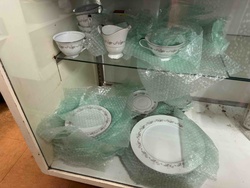
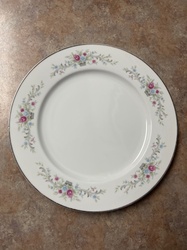
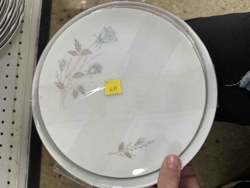
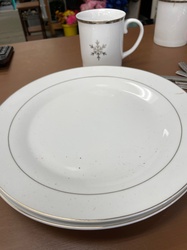
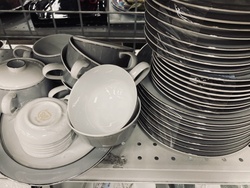
This is a collection of vintage Noritake fine bone china in the 'Datonia' pattern (likely produced in the early to mid-20th century, circa late 1940s-1950s). The set includes a large lidded tureen with gold-toned figural handles, several stackable plates of varying diameters (charger, dinner, and salad/bread plates), a small tea cup and saucer, a sugar bowl, and open vegetable or soup bowls. The design features an elegant cream-to-white gradient center transitioning into a wider ivory rim. The decorative motif consists of poly-chromatic floral sprays and exotic birds of paradise in shades of pink, blue, yellow, and green, accented by delicate brown branches. Each piece is bordered by a sophisticated gold-toned geometric or scrolled double band edge. The craftsmanship reflects the high export quality typical of Noritake, with a translucent porcelain body and smooth, glassy glaze. Physically, the items appear in excellent vintage condition with minimal visible crazing or chips. The gold gilding on the handles and rims shows light, age-appropriate patina but remains largely intact. The underside of these pieces would typically bear the 'Noritake' hallmark with the pattern name 'Datonia' and 'Made in Japan' printed in green or red.
AI Appraisal Report

·AI can make mistakes·Verify before acting
I have conducted a formal visual examination of the Noritake 'Datonia' pattern porcelain service. Based on the provided documentation and imagery, the set appears to be an authentic example of mid-20th-century Japanese export porcelain, likely dating to the late 1940s. The 'Datonia' pattern is highly regarded for its polychromatic bird-of-paradise motif and sophisticated gold-gilded geometric borders. My assessment of the physical condition through high-resolution imagery indicates 'excellent' vintage status; the glaze remains glassy with no visible crazing, and the critical gold leaf on the tureen's figural handles shows only negligible shelf wear. The current market for vintage Noritake remains stable but selective. While 'Datonia' is not the rarest of the Noritake patterns, its aesthetic appeal to collectors of Chinoiserie and mid-century formalware sustains its value. Comparable sales for partial sets including a lidded tureen—a high-value anchor piece—typically range from $400 to $700 depending on the exact piece count. The presence of the tureen significantly elevates this collection above standard plate sets. Limitations: This appraisal is based solely on visual inspection. For a definitive authentication, I would require a physical examination to verify the translucency of the bone china under backlighting and a microscopic inspection of the backstamp to confirm it is not a later reproduction. Furthermore, a 'ring test' is necessary to detect hairline fractures invisible to the naked eye. This valuation assumes a minimum of 30-40 pieces in the set; a significant deviation in piece count or the discovery of hidden chips on the foot rims would necessitate a downward adjustment.

Get your items appraised

Instant estimates of your treasures with AI-powered appraisals

Browse More Appraisals