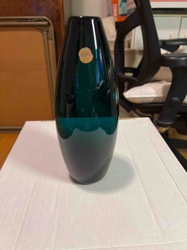
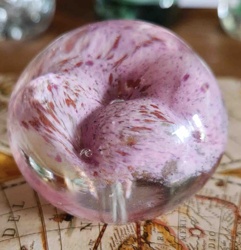
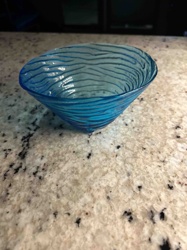
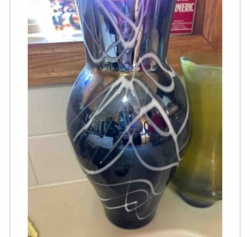
These notes were written by the person who submitted this item. Appraiser.AI has not verified them, and the AI's identification and estimate may rely on them.
AI Estimated Value
Not an official valuation
$150-250
AI estimate as of December 14, 2025 · verify with a professional before acting
AI-Generated · Verify before acting
Everything on this page is generated by AI for informational purposes only. AI can make mistakes — the AI may misidentify items or misattribute them (artist, maker, brand, designer, origin, era). This is not an official valuation and should not be used for insurance, sale, tax, estate, legal, or lending purposes — or any decision requiring a certified appraisal. It is not an authoritative claim about any person, brand, or rights holder — do not share or rely on it as a factual statement about a third party. Always consult qualified professionals before making financial decisions.
This analysis also relies on unverified notes provided by the user, which may be incomplete or inaccurate and could affect the result.
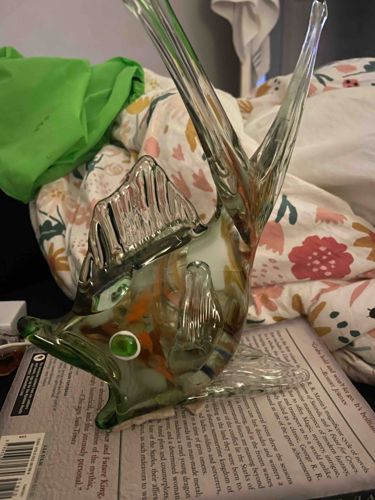
This item is a decorative art glass figurine in the shape of a fish, crafted using a glass-blowing technique. The dominant color is a translucent moss green, particularly visible around the head and fins, with areas of clear glass allowing light to pass through. The body of the fish features an internal swirl of lighter, more opaque colors, possibly reflecting hues of orange, cream, and brown, creating an iridescent or mottled effect when viewed through the clear and green glass. The fish's head is distinct, with a defined mouth and two prominent, circular eyes made of separate pieces of green glass encasing a white pupil, giving them a striking, almost animated appearance. The dorsal fin and pectoral fins are well-defined and sculpted, with ridged textures adding to their realism. The tail fin is elongated and bifurcated, tapering into two slender, upward-pointing prongs or fins, which contribute to a dynamic sense of movement. The base of the figurine is a flattened, clear glass support, ensuring stability. The craftsmanship suggests it is a hand-blown piece, with slight variations and internal bubbles inherent to the artisanal process. The surface appears smooth and glossy, with no immediately visible cracks, chips, or significant wear. The style is contemporary decorative art glass, likely produced for home décor. It exhibits good quality due to its intricate shaping and the vibrant embedded colors, indicative of skilled glasswork.
AI Appraisal Report
I have virtually examined this Art Glass Fish Figurine, noting its intricate glass-blown construction. The overall condition appears excellent, with a smooth, glossy surface and no visible chips, cracks, or significant wear. The defined features, from the layered green and clear glass to the internal swirls of orange, cream, and brown, indicate skilled craftsmanship. The prominent, almost animated eyes and sculpted fins add to its decorative appeal.
From a market perspective, this piece falls into the broad category of contemporary decorative art glass. Similar hand-blown glass fish figurines, often unsigned, retail in the range of $100-$300. The dynamic shape, vibrant embedded colors, and apparent good condition contribute positively to its value. While not a rare antique or a piece by a world-renowned artist, its quality and aesthetic appeal make it desirable for home décor collectors.
Demand for such decorative art glass remains steady, especially for pieces that exhibit this level of detail and artistic flair. The lack of a discernible artist signature or maker's mark limits its potential for higher valuation; recognized artists command significantly higher prices. The perceived good condition also enhances its marketability.
It is crucial to state that this appraisal is based solely on visual examination of the provided description and image. While the description details suggest authenticity as a hand-blown piece (e.g., "slight variations and internal bubbles inherent to the artisanal process"), full authentication would require in-person examination. A physical inspection would allow me to check for actual structural integrity, confirm the absence of unseen flaws, and verify the precise manufacturing techniques through tactile assessment. Examining the base for any etched signatures or marks, and potentially performing UV light testing for material composition if there were any doubts, would be part of a comprehensive in-person evaluation. Without these, authentication remains limited to visual cues.