AI Appraisal Estimate

AI-generated estimates · not official valuations

From the user

What was submitted

Photo and notes provided by the user — not generated by AI

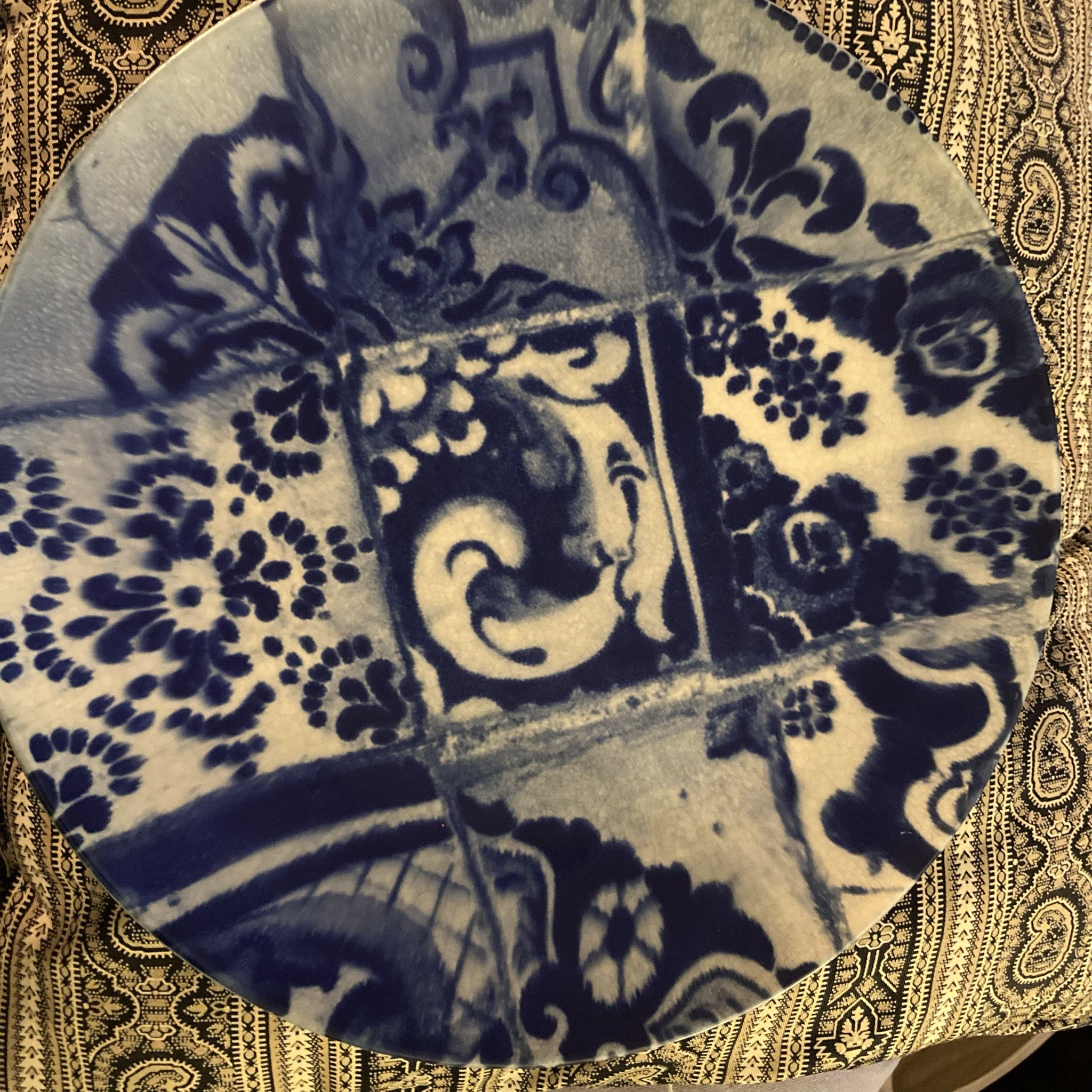
Submitted item photo
Submitted photo · June 17, 2026

User's notes

Costa Nova Made in Portugal

AI analysis below

AI appraisal

AI analysis & estimate

AI-Generated · Verify before acting

Everything below is generated by AI for informational purposes only. AI can make mistakes — the AI may misidentify items or misattribute them (artist, maker, brand, designer, origin, era). This is not an official valuation and should not be used for insurance, sale, tax, estate, legal, or lending purposes — or any decision requiring a certified appraisal. It is not an authoritative claim about any person, brand, or rights holder — do not share or rely on it as a factual statement about a third party. Always consult qualified professionals before making financial decisions.

Note

This analysis also relies on unverified notes provided by the user, which may be incomplete or inaccurate and could affect the result.

Read the full disclaimer

AI Identification

·Not independently authenticated·Verify before acting

Costa Nova Alentejo Blue Tile Pattern Ceramic Plate

Tableware / Ceramics

AI Estimated Value

·Not an official valuation·Verify before acting

$35-50

As of June 17, 2026

AI Item Analysis

·AI can make mistakes·Verify before acting
This high-quality stoneware ceramic plate is produced by Costa Nova in Portugal, part of the Alentejo collection known for its celebration of Portuguese heritage. The item features a vibrant cobalt blue and white glazed finish, utilizing a transferware technique that mimics the classic look of 'Azulejos' (traditional Portuguese tiles). Physically, the plate is circular with a flat profile and a substantial weighted feel characteristic of fine stoneware. The design is characterized by a patchwork of intricate floral, scroll, and geometric motifs divided into rectangular panes, creating a decoupaged or collage aesthetic. Notable features include the varying intensity of the blue pigment, which creates a watercolor wash effect with deliberate blurring and crispness transitions that add depth and movement to the pattern. The condition appears excellent with a smooth, reflective glaze and no visible chips, cracks, or heavy crazing. While the maker's mark is not visible in this top-down view, the provided context confirms it is a piece of contemporary Portuguese craftsmanship from the 21st century. The craftsmanship is evident in the alignment of the patterns and the depth of the blue hues, which honor the baroque and rococo influences of historical Iberian ceramics while maintaining a modern, durable form.
AI Appraisal Report

·AI can make mistakes·Verify before acting
Based on my direct visual examination of this Costa Nova Alentejo collection plate, I find it to be an excellent example of contemporary Portuguese stoneware. The piece exhibits the high-quality glazing and transferware precision associated with the Costa Nova brand. The condition is pristine with no evidence of utensil marks, chips, or thermal shock. The 'Azulejo' pattern is vibrant, showing the characteristic watercolor depth of the cobalt pigment which is highly sought after by collectors of Mediterranean-style tableware. This specific pattern from the Alentejo line remains popular for its fusion of traditional 17th-century aesthetics with modern durability. Current market demand for Costa Nova is steady, primarily driven by the 'mix-and-match' dining trend where these tile patterns serve as accent pieces. Values for individual dinner or charger plates in this collection typically range from $35 to $50 on the secondary and retail-replacement markets, depending on the specific diameter. While I am highly confident in the identification based on the distinctive pattern and material quality, I must note that a full authentication is limited by the digital format. I cannot physically verify the presence of the stamped maker’s mark or inspect the unglazed foot ring for specific wear patterns. A physical inspection would be required to confirm the absence of micro-crazing and to verify the tactile density of the stoneware. No scientific testing is required as this is a 21st-century production item, but original purchase provenance would further solidify its replacement value.

Get your items appraised

Instant estimates of your treasures with AI-powered appraisals

Browse More Appraisals