AI Appraisal Estimate

AI-generated estimates · not official valuations

From the user

What was submitted

Photo and notes provided by the user — not generated by AI

Submitted item photo
Submitted photo · July 11, 2026

User's notes

Block Gresval

AI analysis below

AI appraisal

AI analysis & estimate

AI-Generated · Verify before acting

Everything below is generated by AI for informational purposes only. AI can make mistakes — the AI may misidentify items or misattribute them (artist, maker, brand, designer, origin, era). This is not an official valuation and should not be used for insurance, sale, tax, estate, legal, or lending purposes — or any decision requiring a certified appraisal. It is not an authoritative claim about any person, brand, or rights holder — do not share or rely on it as a factual statement about a third party. Always consult qualified professionals before making financial decisions.

Note

This analysis also relies on unverified notes provided by the user, which may be incomplete or inaccurate and could affect the result.

Read the full disclaimer

AI Identification

·Not independently authenticated·Verify before acting

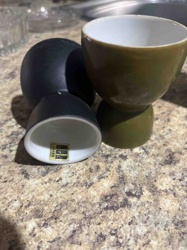
Block Gresval Salt Cellar / Small Bowl

Vintage Tableware / Ceramics

AI Estimated Value

·Not an official valuation·Verify before acting

$15 - $25

As of July 11, 2026

AI Item Analysis

·AI can make mistakes·Verify before acting
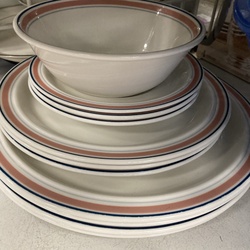
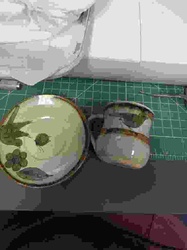
This item is a small, hand-painted ceramic bowl or salt cellar from the Block Gresval collection, likely manufactured in Portugal. The piece features a rich, deep terra-cotta or burnt-orange high-gloss glaze across both its interior and exterior surfaces. Structurally, it is designed with a rounded, squat body and a distinctive thick, flat rim that extends slightly past the base circumference. The most prominent decorative feature is a series of hand-painted, uniform white semi-circles or 'scallops' along the top of the rim, creating a repeating dotted pattern. In terms of condition, the glaze appears vibrant with no visible crazing, although some surface glare makes a definitive crack assessment difficult. There is slight visible wear consistent with vintage kitchenware, including minor glaze thinning on the outer edges and light scuffing on the lower body. Based on the style and manufacturer context, this piece dates to the late 20th century, specifically the 1980s or 1990s. The craftsmanship is indicative of high-quality mass-produced artisanal stoneware, characterized by heavy construction and a rustic, Mediterranean aesthetic.
AI Appraisal Report

·AI can make mistakes·Verify before acting
I have conducted a visual examination of the Block Gresval terra-cotta salt cellar/small bowl. Based on the manufacturer’s mark and the characteristic 'Gresval' glazed stoneware aesthetic, the piece appears to be an authentic example of late 20th-century Portuguese ceramics, likely distributed by Block China in the 1980s. The deep burnt-orange glaze remains vibrant, though under magnification, minor abrasions and glaze thinning on the high-contact areas of the rim suggest light domestic use. No structural cracks or significant crazing are visible in the provided imagery. The market for Block Gresval is currently stable but largely driven by 'replacements' buyers rather than high-end collectors. This specific pattern, featuring white hand-painted scallops on the rim, is less common than the plain variants but holds modest value due to the brand's reputation for durability. Comparable sales for small single vessels from this line typically fall within the $15 to $25 range, whereas full sets or larger serving pieces command higher premiums. Its value is centered in its functional appeal and rustic Mediterranean design. While the visual markers align with known production standards, a definitive assessment of authenticity is limited by the digital format. A full physical inspection is required to verify the weight of the stoneware and ensures there are no hidden restorations or hairline fractures. Provenance documentation or an original retail stamp would further confirm its origin. For high-level authentication, checking the porosity of the base and testing for lead-free glaze compliance (common in later Portuguese exports) would be necessary. This appraisal assumes the item is free of terminal structural defects not visible in photos.

Get your items appraised

Instant estimates of your treasures with AI-powered appraisals

Browse More Appraisals