AI Appraisal Estimate

AI-generated estimates · not official valuations

From the user

What was submitted

Photo and notes provided by the user — not generated by AI

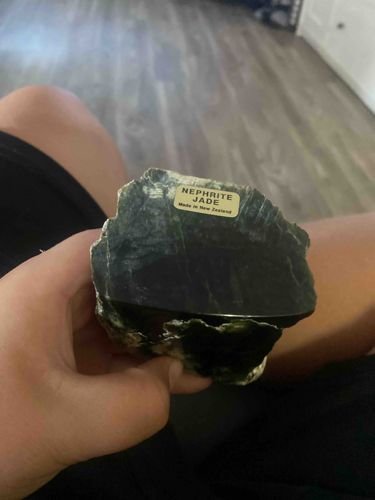
Submitted item photo
Submitted photo · June 20, 2026

User's notes

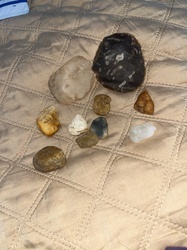
Nephrite Jade Made in New Zealand

AI analysis below

AI appraisal

AI analysis & estimate

AI-Generated · Verify before acting

Everything below is generated by AI for informational purposes only. AI can make mistakes — the AI may misidentify items or misattribute them (artist, maker, brand, designer, origin, era). This is not an official valuation and should not be used for insurance, sale, tax, estate, legal, or lending purposes — or any decision requiring a certified appraisal. It is not an authoritative claim about any person, brand, or rights holder — do not share or rely on it as a factual statement about a third party. Always consult qualified professionals before making financial decisions.

Note

This analysis also relies on unverified notes provided by the user, which may be incomplete or inaccurate and could affect the result.

Read the full disclaimer

AI Identification

·Not independently authenticated·Verify before acting

Polished New Zealand Nephrite Jade (Pounamu) Specimen

Gemstones & Mineral Specimens

AI Estimated Value

·Not an official valuation·Verify before acting

$45.00 - $75.00

As of June 20, 2026

AI Item Analysis

·AI can make mistakes·Verify before acting
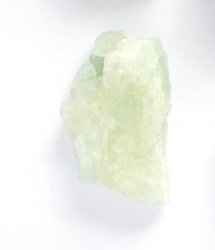
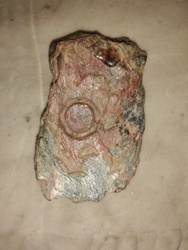
This item is a hand-sized specimen of genuine New Zealand Nephrite Jade, traditionally known as Pounamu or Greenstone. The specimen features a combination of raw, natural textures and a highly polished, flat interior face that reveals the stone's deep color. The polished surface displays a characteristic dark forest green hue with subtle swirling patterns and internal veining typical of high-quality New Zealand Kawakawa or Inanga varieties. The exterior edges remain in a rough, unworked state, showing the natural rocky rind and textural variations of the raw mineral. Structurally, the stone appears dense and solid, showcasing the extreme toughness for which nephrite is known. A notable feature is the small, rectangular gold-toned adhesive label affixed to the polished face, which clearly states 'NEPHRITE JADE Made in New Zealand' in black block lettering. This label suggests it was marketed as a souvenir or desktop accessory, likely produced in the late 20th century. The condition appears excellent with a mirror-like finish on the polished section and no visible cracks or modern fractures to the stone itself. The craftsman has skillfully selected a section of the boulder to contrast the rugged geological origin with the gemstone's refined beauty.
AI Appraisal Report

·AI can make mistakes·Verify before acting
I have examined the provided description and image of this New Zealand Nephrite Jade (Pounamu) specimen. The item displays visual characteristics consistent with genuine nephrite, specifically the deep green saturation and waxy luster associated with the Kawakawa variety. The contrast between the weathered 'rind' and the polished interior face is well-executed, highlighting the stone's internal structure and toughness. The presence of the 'Made in New Zealand' label identifies this as a commercial lapidary product, likely intended for the tourism or giftware market during the late 20th century. Based on current market conditions for non-carved mineral specimens of this size, value is driven primarily by its decorative appeal rather than investment-grade gemstone quality. Similar polished fragments of New Zealand greenstone frequently appear in the secondary market and at specialty gift retailers within this price range. The condition is excellent, with no apparent chipping or internal fractures that would detract from its display value. However, a definitive valuation is limited by the digital format of this examination. To fully authenticate the specimen and rule out convincing simulants like serpentinite or bowenite, an in-person inspection involving a specific gravity test and hardness scratch test (6.0-6.5 on the Mohs scale) would be required. Furthermore, provenance documentation linking the stone to a specific South Island river source would enhance its cultural and collectible value.

Get your items appraised

Instant estimates of your treasures with AI-powered appraisals

Browse More Appraisals