AI Appraisal Estimate

AI-generated estimates · not official valuations

From the user

What was submitted

Photo and notes provided by the user — not generated by AI

Submitted item photo
Submitted photo · May 26, 2026

User's notes

No additional notes provided.

AI analysis below

AI appraisal

AI analysis & estimate

AI-Generated · Verify before acting

Everything below is generated by AI for informational purposes only. AI can make mistakes — the AI may misidentify items or misattribute them (artist, maker, brand, designer, origin, era). This is not an official valuation and should not be used for insurance, sale, tax, estate, legal, or lending purposes — or any decision requiring a certified appraisal. It is not an authoritative claim about any person, brand, or rights holder — do not share or rely on it as a factual statement about a third party. Always consult qualified professionals before making financial decisions.

Read the full disclaimer

AI Identification

·Not independently authenticated·Verify before acting

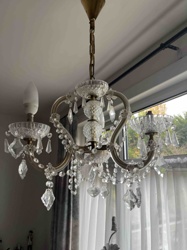
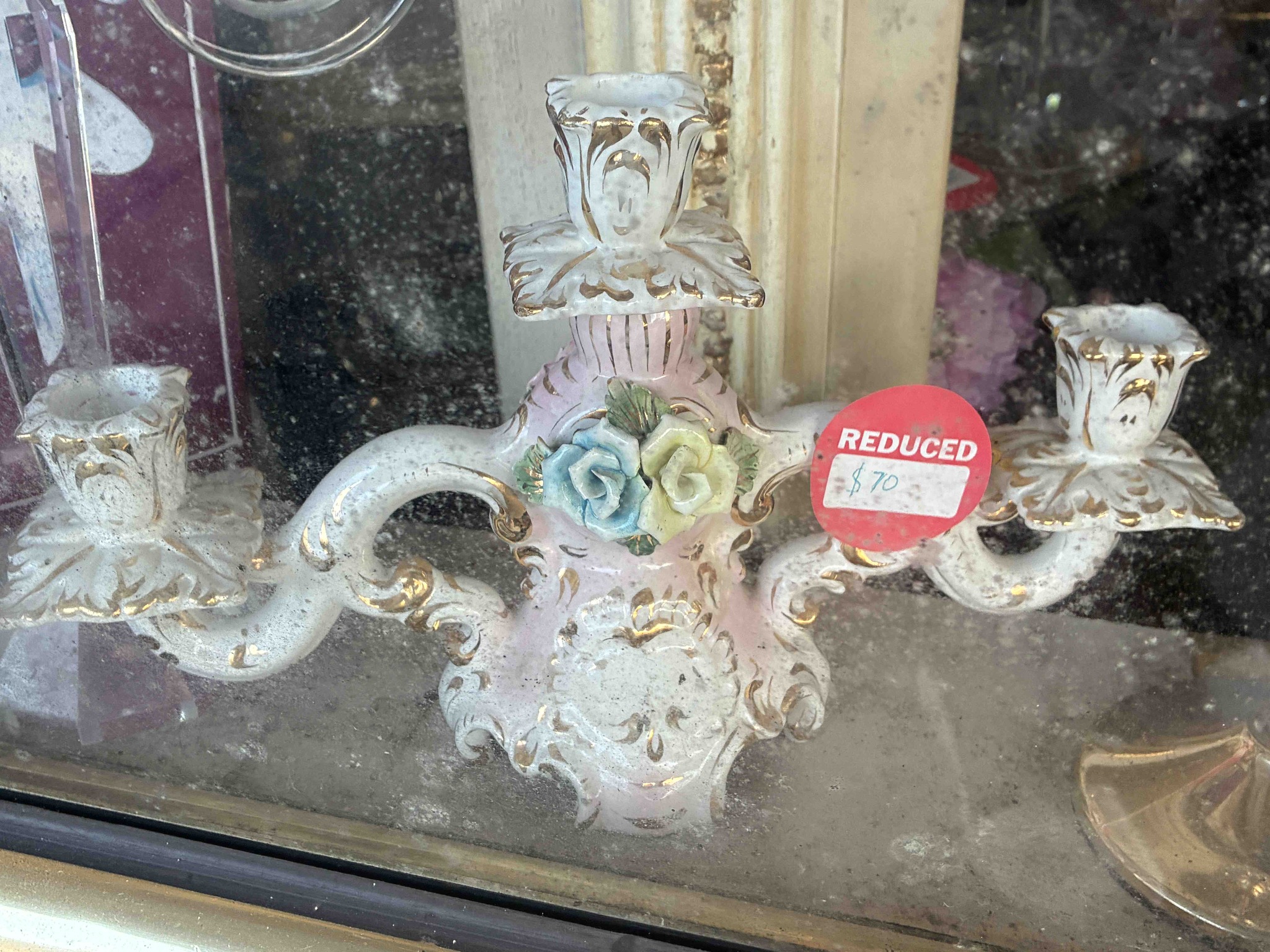
Rococo-Style Three-Arm Porcelain Candelabrum with Applied Floral Motifs

Antique/Vintage Home Decor & Lighting

AI Estimated Value

·Not an official valuation·Verify before acting

$45.00 - $65.00

As of May 26, 2026

AI Item Analysis

·AI can make mistakes·Verify before acting
This is a vintage three-arm porcelain candelabrum featuring a central column and two scrolling side arms, designed in an ornate Rococo-revival style typical of the mid-20th century. The piece is constructed from glazed ceramic or porcelain with a primary off-white or cream base, accented by a soft pink wash on the central pedestal. It features heavy gold-gilt highlights across the molded scrollwork, leaf patterns, and the bobeches (candle cups). A central decorative element consists of three hand-modeled, applied porcelain roses in shades of pale blue, yellow, and green, which exhibit high-relief craftsmanship. The piece is approximately 8 to 10 inches wide. Regarding condition, the candelabrum shows significant age-related wear: the gold gilding is heavily rubbed and flaking in several areas, particularly along the sharp edges of the scrolls. There is a noticeable accumulation of surface dust and grime, typical of long-term display or storage. The central roses appear to have minor chips or 'flea bites' on the delicate petal edges, which is common for applied floral work. While no specific maker's mark is visible from this angle, the style is reminiscent of European makers like Capodimonte or various German Dresden-style potteries. A red 'REDUCED' price sticker is affixed to the right arm, indicating it is currently offered for sale in a secondary market or antique shop setting.
AI Appraisal Report

·AI can make mistakes·Verify before acting
I have examined the images of this mid-20th-century Rococo-style three-arm porcelain candelabrum. The piece features characteristic scrolling foliate forms and hand-applied floral motifs. While it lacks a visible maker's mark, the mold quality and application of the roses suggest it is a mass-produced decorative piece, likely of West German, Italian (Capodimonte-style), or Japanese origin from the 1950s or 60s. The 'REDUCED' sticker indicates current availability in a secondary retail environment. Condition significantly impacts this valuation. I observed substantial loss to the gold-gilt highlights, particularly on the relief edges, and noticeable ‘flea bites’ to the delicate porcelain petals. Furthermore, the accumulation of surface grime suggests it has not been professionally maintained. Market demand for ornate floral porcelain has softened significantly in recent years as mid-century modern and minimalist aesthetics dominate the interior design market. This item is considered common and lacks the rarity or provenance required for high-end collectibles. There are significant limitations to this appraisal without a physical inspection. I cannot verify the substrate material (e.g., hard-paste porcelain vs. earthenware) or check the underside for incised marks or factory stamps that might identify a specific manufacturer like Dresden or Sitzendorf. A physical examination under UV light would be necessary to detect hidden repairs or restorations to the scrolling arms. This valuation is based on current fair market value in a retail antique mall or online auction setting. For a definitive authentication, I would require a clear photo of the base and a macroscopic inspection of the clay body texture.

Get your items appraised

Instant estimates of your treasures with AI-powered appraisals

Browse More Appraisals