AI identification & appraisal estimate

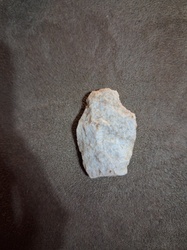
Knapped stone tool (unverified)

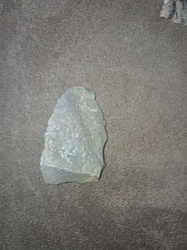
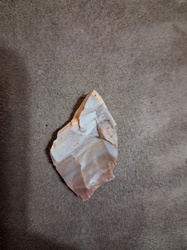
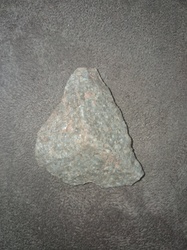
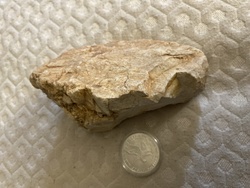
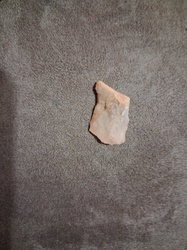
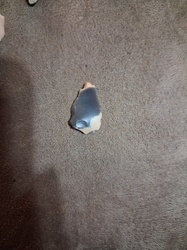
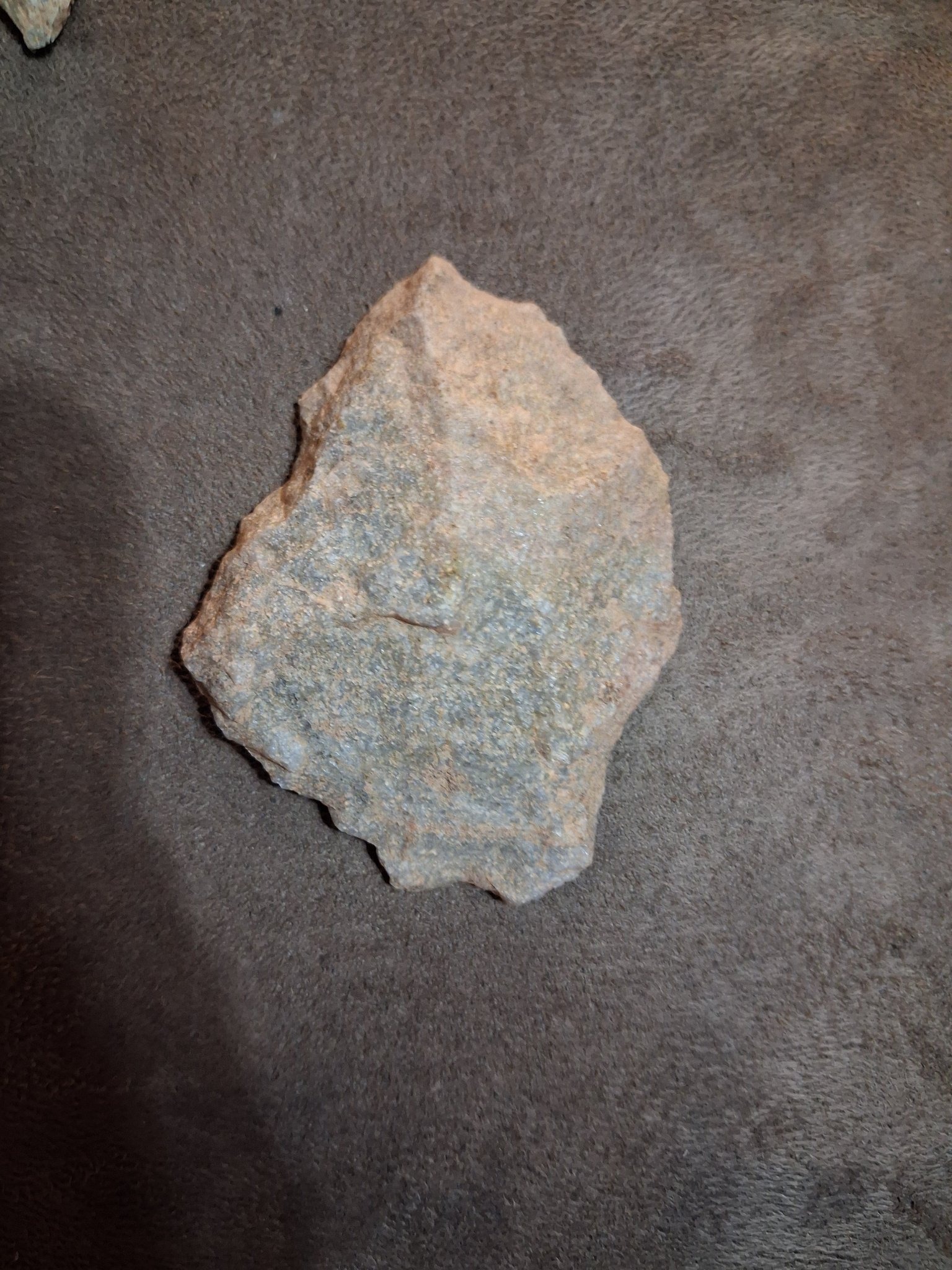
Submitted photo of Knapped stone tool (unverified)
Photo submitted by the user — not generated by AI

AI Estimated Value

Not an official valuation

$100-$300

AI estimate as of September 20, 2026 · verify with a professional before acting

AI-Generated · Verify before acting

Everything on this page is generated by AI for informational purposes only. AI can make mistakes — the AI may misidentify items or misattribute them (artist, maker, brand, designer, origin, era). This is not an official valuation and should not be used for insurance, sale, tax, estate, legal, or lending purposes — or any decision requiring a certified appraisal. It is not an authoritative claim about any person, brand, or rights holder — do not share or rely on it as a factual statement about a third party. Always consult qualified professionals before making financial decisions.

Read the full disclaimer

AI Item Analysis

This object is a roughly triangular, weathered stone artifact that appears to be a prehistoric lithic tool, such as a handaxe or a bifacial core fragment. The physical material consists of a coarse-grained, light-colored stone with grayish-blue interior hues and weathered brownish-tan outer surfaces or patina. The edges show signs of intentional flaking, pressure removal, or percussion flaking characteristic of primitive stone tool manufacturing techniques, though natural geological fracturing can sometimes produce similar shapes. There are no visible maker's marks, stamps, signatures, or inscriptions. The item displays significant surface wear, micro-chipping, and discoloration consistent with long-term exposure to the elements or soil. Due to the limitations of visual analysis from a single photograph, it is impossible to determine its exact geological composition, cultural origin, or precise period of manufacture without physical inspection by a qualified archaeologist or geologist. The identification rests purely on the visual presence of flake scars and a symmetrical pointed geometry, leaving the artifact unauthenticated.
AI Appraisal Report

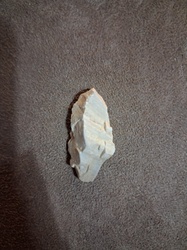
Based on what I can see in the photograph, this object presents as a roughly triangular stone artifact displaying features suggestive of a prehistoric lithic tool, such as a handaxe or a bifacial core. The coarse-grained stone features grayish-blue interior hues and weathered brownish-tan outer surfaces, alongside flake scars that resemble intentional percussion flaking. However, I can't verify from a photo whether these are genuinely ancient human-made modifications or the result of natural geological fracturing. I would need physical inspection by a qualified archaeologist or geologist, alongside potential scientific testing, to confirm material composition and context. Assuming for the sake of market comparison that the attribution as an ancient lithic artifact is correct, pieces of this general type and condition typically command a modest collector value in the range of $100 to $300, driven by historical interest rather than fine art demand. Significant surface wear and lack of documented provenance temper this estimate. If physical examination reveals the piece to be a modern replica, reproduction, or a naturally fractured stone without human agency, the market value would drop dramatically to nominal or decorative levels, likely under $25. True market value depends entirely on successful in-person authentication and verification of its archaeological context.

Keep exploring

More archaeological artifacts appraisals

Get your items appraised

Instant AI-powered appraisal estimates from a photo

Browse More Appraisals