AI identification & appraisal estimate

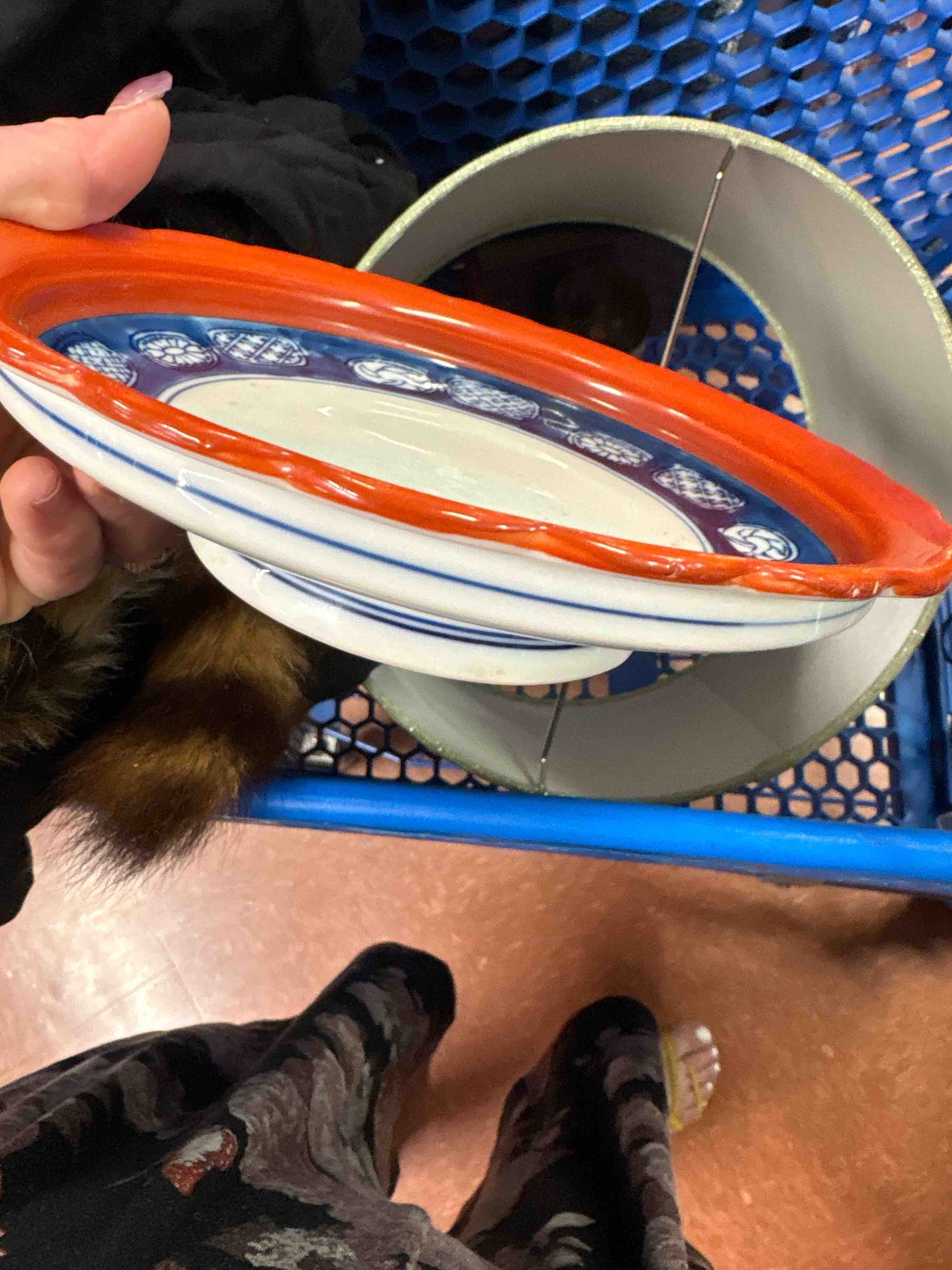
Japanese-style Imari-pattern porcelain shallow bowl

This name is the AI's identification of the item — it may be incorrect.

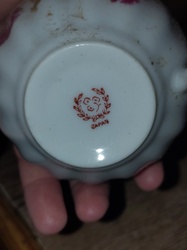
Submitted photo of Japanese-style Imari-pattern porcelain shallow bowl
Photo submitted by the user — not generated by AI

User's notes

Takahashi San Francisco

These notes were written by the person who submitted this item. Appraiser.AI has not verified them, and the AI's identification and estimate may rely on them.

AI Estimated Value

Not an official valuation

$45–$75

AI estimate as of June 15, 2026 · verify with a professional before acting

AI-Generated · Verify before acting

Everything on this page is generated by AI for informational purposes only. AI can make mistakes — the AI may misidentify items or misattribute them (artist, maker, brand, designer, origin, era). This is not an official valuation and should not be used for insurance, sale, tax, estate, legal, or lending purposes — or any decision requiring a certified appraisal. It is not an authoritative claim about any person, brand, or rights holder — do not share or rely on it as a factual statement about a third party. Always consult qualified professionals before making financial decisions.

This analysis also relies on unverified notes provided by the user, which may be incomplete or inaccurate and could affect the result.

Read the full disclaimer

AI Item Analysis

This item is a shallow ceramic bowl or plate featuring decorative motifs stylistically consistent with Japanese Imari porcelain. The vessel displays a vibrant orange-red (vermilion) rim that appears slightly scalloped or textured. The interior well features a central white field framed by a wide border of underglaze cobalt blue, decorated with white medallions containing various geometric and floral patterns. The exterior base is white with concentric blue rings around the foot. Based on the owner's unverified claim, this piece may be associated with Takahashi San Francisco, a known mid-century importer of Japanese ceramics; however, no physical labels or maker's marks are visible in the image to verify this attribution. Visible condition issues include significant wear and small chips along the orange painted rim, which reveal the white ceramic body beneath. The piece appears to be made of a glazed porcelain or dense stoneware. Its decorative scheme is consistent with 20th-century mass-produced Japanese export wares often found in the mid-to-late century market. Without a legible mark, the identification as Takahashi remains a hypothesis subject to in-person inspection of the underside.
AI Appraisal Report

Based on the provided image, I have evaluated this porcelain shallow bowl featuring a traditional Imari-style palette. Per the user submission, the piece is attributed to Takahashi San Francisco, a mid-20th-century importer. From what I can see, the vibrant vermilion and underglaze cobalt motifs are consistent with Japanese export wares from the mid-to-late 20th century. However, as no maker’s marks or labels are visible in the photograph, I cannot verify this attribution or the exact manufacturer. The value estimate is predicated on the hypothesis that the piece is a Takahashi import; if it were documented as a 19th-century Arita piece, the value would increase significantly. Conversely, if it is a later mass-produced imitation, the value would likely drop to $15–$25. I cannot determine the exact material density or glaze composition from a photo, though the visible wear and chips along the rim suggest a porcelain body. These condition issues—specifically the paint loss and rim chips—adversely affect the value, as collectors of mid-century Japanese ceramics typically seek items with intact decoration. The market for Japanese export porcelain remains steady but is currently saturated with similar patterns, making attribution and condition the primary value drivers. To confirm this item's origins, a physical inspection is required to check for faint impressed marks and to analyze the translucency of the porcelain under a light source. Proof of provenance or an original Takahashi foil label would be necessary to support the higher end of the provided estimate.

Keep exploring

More ceramics and porcelain appraisals

Get your items appraised

Instant AI-powered appraisal estimates from a photo

Browse More Appraisals