AI identification & appraisal estimate

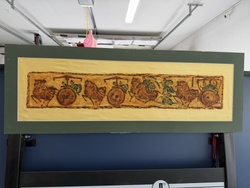
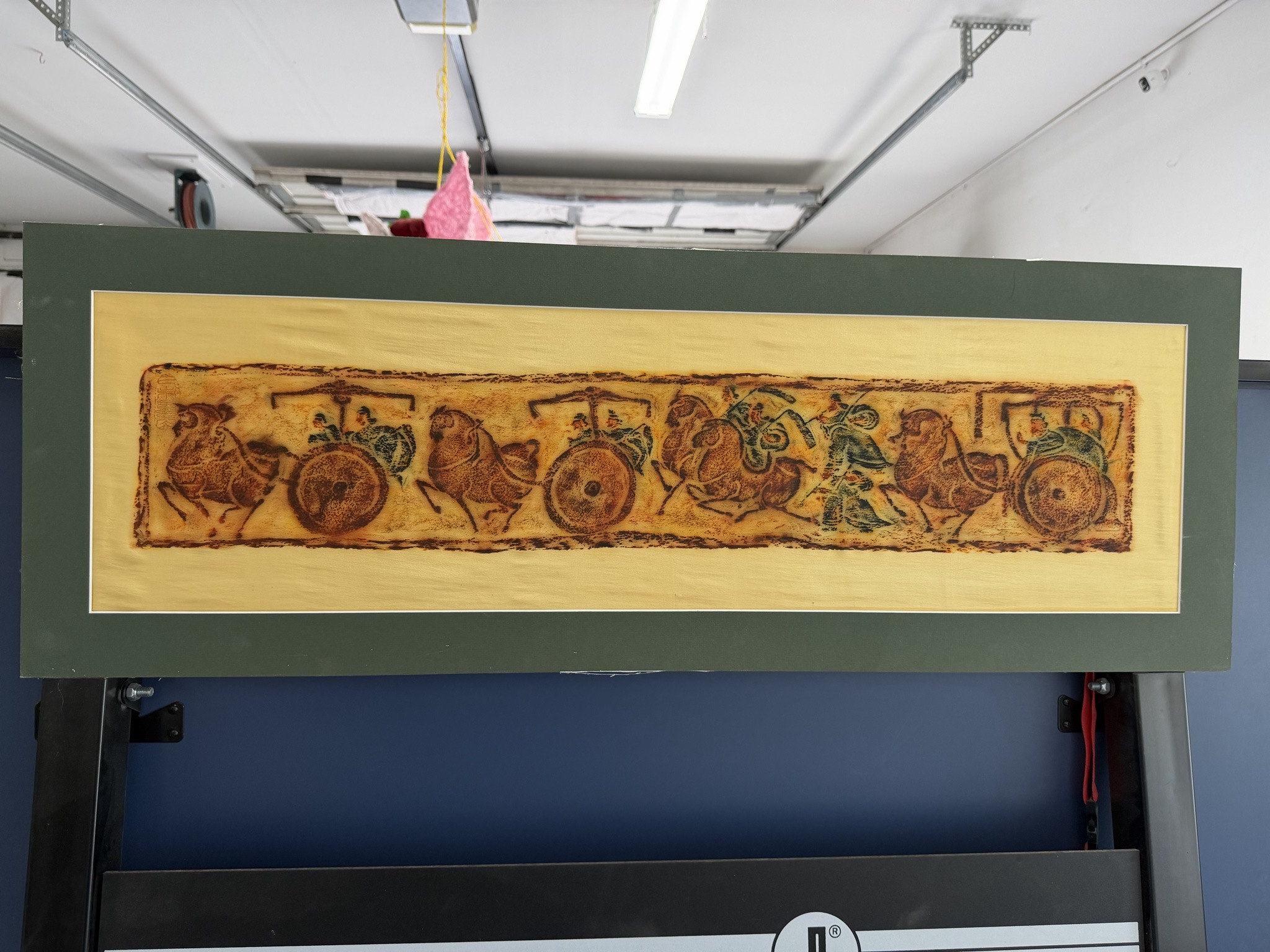
Silk rubbing with horses and chariots motif (unauthenticated)

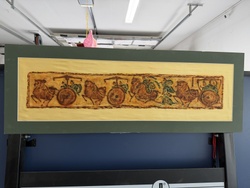
Submitted photo of Silk rubbing with horses and chariots motif (unauthenticated)
Photo submitted by the user — not generated by AI

User's notes

Han Dynasty silk and ink rubbing. Purchased in a fine art gallery in Taipei in 1980

These notes were written by the person who submitted this item. Appraiser.AI has not verified them, and the AI's identification and estimate may rely on them.

AI Estimated Value

Not an official valuation

$800-1,200

AI estimate as of September 17, 2026 · verify with a professional before acting

AI-Generated · Verify before acting

Everything on this page is generated by AI for informational purposes only. AI can make mistakes — the AI may misidentify items or misattribute them (artist, maker, brand, designer, origin, era). This is not an official valuation and should not be used for insurance, sale, tax, estate, legal, or lending purposes — or any decision requiring a certified appraisal. It is not an authoritative claim about any person, brand, or rights holder — do not share or rely on it as a factual statement about a third party. Always consult qualified professionals before making financial decisions.

This analysis also relies on unverified notes provided by the user, which may be incomplete or inaccurate and could affect the result.

Read the full disclaimer

AI Item Analysis

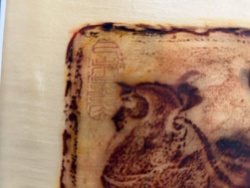
The item is a horizontal rectangular textile hanging, featuring a central panel with an ink-and-pigment rubbing style design applied onto a yellowish fabric backing. The piece is framed by a wider green mat border. The central imagery depicts a continuous frieze of horses, two-wheeled chariots, and human figures, rendered in a reddish-brown tone with hints of green and blue coloration on the figures. The style is consistent with ancient Chinese pictorial reliefs, particularly those associated with Han Dynasty stone carvings or tomb reliefs. On the far left edge of the central panel, there is a small rectangular cartouche containing faint, illegible characters resembling traditional seal script. There are no other visible maker's marks, stamps, or signatures. The physical condition appears generally stable, though the textile exhibits natural aging, fiber texture variations, and slight discoloration consistent with vintage or antique decorative items. The owner-supplied attribution claims this is a Han Dynasty silk and ink rubbing purchased in a fine art gallery in Taipei in 1980; however, this claim is entirely unauthenticated. Without physical laboratory testing, material analysis, and expert epigraphical review, the exact age, medium, and geographical origin cannot be verified. The identification rests purely on the visual iconography, which mimics ancient sculptural reliefs.
AI Appraisal Report

Based on what I can see in the provided image, this horizontal textile hanging features a continuous frieze of horses, two-wheeled chariots, and human figures styled after Han Dynasty stone carvings, complete with a small cartouche on the left edge. The owner identifies this piece as a Han Dynasty silk and ink rubbing purchased in a fine art gallery in Taipei in 1980. However, I cannot verify the age, medium, or geographical origin from a photograph alone, and I must treat this attribution purely as an unverified working hypothesis. Without physical handling, material analysis, and expert epigraphical review, it is impossible to determine whether this is an early textile rubbing, a later reproduction, a modern replica, or a decorative piece created 'in the style of' ancient reliefs. Assuming the user-supplied claim of a vintage gallery-acquired Han-style rubbing is correct, decorative Asian art and pictorial textile panels of this character typically command a moderate market range of $800 to $1,200 among collectors of Asian antiquities and replica works. If physical examination reveals the piece to be a modern decorative reproduction or a standard souvenir copy rather than a period-appropriate textile rubbing, the value would be significantly lower, likely resting in the $150 to $300 range. To better understand the item, one would need an in-person physical examination, scientific material testing of the textile and pigments, and provenance documentation to support the 1980 Taipei gallery purchase.

Keep exploring

More asian art appraisals

Get your items appraised

Instant AI-powered appraisal estimates from a photo

Browse More Appraisals