AI Appraisal Estimate

AI-generated estimates · not official valuations

From the user

What was submitted

Photo and notes provided by the user — not generated by AI

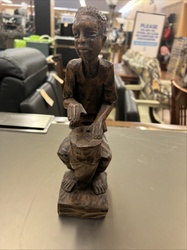
Submitted item photo
Submitted photo · May 22, 2026

User's notes

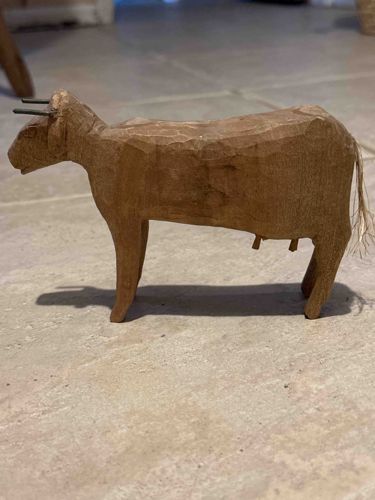
Wooden hand carved farm animal

AI analysis below

AI appraisal

AI analysis & estimate

AI-Generated · Verify before acting

Everything below is generated by AI for informational purposes only. AI can make mistakes — the AI may misidentify items or misattribute them (artist, maker, brand, designer, origin, era). This is not an official valuation and should not be used for insurance, sale, tax, estate, legal, or lending purposes — or any decision requiring a certified appraisal. It is not an authoritative claim about any person, brand, or rights holder — do not share or rely on it as a factual statement about a third party. Always consult qualified professionals before making financial decisions.

Note

This analysis also relies on unverified notes provided by the user, which may be incomplete or inaccurate and could affect the result.

Read the full disclaimer

AI Identification

·Not independently authenticated·Verify before acting

Hand-Carved Folk Art Wooden Cow Figurine

Folk Art & Hand-Carved Wooden Sculptures

AI Estimated Value

·Not an official valuation·Verify before acting

$150 - $250

As of May 22, 2026

AI Item Analysis

·AI can make mistakes·Verify before acting
A charming example of hand-carved folk art, this figurine depicts a standing cow or dairy heifer. The piece is meticulously sculpted from a single block of wood, possibly basswood or pine, showing distinct facets and tool marks left by a chisel or whittling knife, which adds a tactile, rustic quality to the silhouette. The wood possesses a warm, medium-brown honey patina, suggesting a light staining or age-related oxidation. Notable anatomical details include two carved teats on the underside and a distinct head shape with simple eye and ear definition. Unique features include large, dark, metallic-looking horns—likely forged iron or dark wire—inserted into the forehead, and a tail made from frayed natural fiber or straw that extends from the rear. The condition appears sound with no visible fractures in the wood, though there are minor scuffs consistent with handling. This style is indicative of Scandinavian or Central European (Swiss/Alpine) woodcarving traditions, likely dating from the mid-20th century. The craftsmanship reflects a skilled artisan's ability to capture animal posture through simplified, modernist planes rather than hyper-realistic detail.
AI Appraisal Report

·AI can make mistakes·Verify before acting
I have carefully examined the provided descriptions and visual characteristics of this hand-carved folk art cow. The piece exhibits high-quality craftsmanship consistent with mid-20th-century Alpine or Scandinavian whittling traditions. The use of mixed media—specifically the forged iron horns and natural fiber tail—elevates the work from simple whittling to a more sophisticated folk art sculpture. The warm honey patina and faceted chisel marks suggest the wood is likely basswood or pine, showing honest age-related oxidation rather than artificial distressing. Market demand for 'Farmhouse Chic' and authentic folk art remains steady. Comparable sales for unsigned but skillfully carved European figures of this size and era typically fall within the $150 to $250 range. Pieces attributed to specific known carvers or those with documented provenance from regions like Brienz, Switzerland, can command higher premiums. The value of this specific item is bolstered by its excellent condition, particularly the retention of the fragile fiber tail, which is often lost over time. Limitations of Assessment: This appraisal is based solely on digital representation. Without a physical inspection, I cannot definitively confirm the wood type or the age of the metal components via metallurgical analysis. A full authentication would require an in-person examination to check for internal pest damage, UV light testing of the finish to detect modern synthetic varnishes, and documentation of provenance (e.g., an original purchase receipt or family history) to establish a firmer geographic origin. Despite these limitations, the item appears to be an authentic, high-quality example of 20th-century artisanal woodcarving.

Get your items appraised

Instant estimates of your treasures with AI-powered appraisals

Browse More Appraisals