AI Appraisal Estimate

AI-generated estimates · not official valuations

From the user

What was submitted

Photo and notes provided by the user — not generated by AI

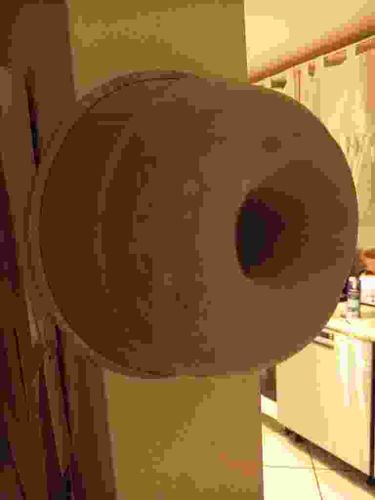
Submitted item photo
Submitted photo · June 23, 2026

User's notes

Kuchen Form Metal

AI analysis below

AI appraisal

AI analysis & estimate

AI-Generated · Verify before acting

Everything below is generated by AI for informational purposes only. AI can make mistakes — the AI may misidentify items or misattribute them (artist, maker, brand, designer, origin, era). This is not an official valuation and should not be used for insurance, sale, tax, estate, legal, or lending purposes — or any decision requiring a certified appraisal. It is not an authoritative claim about any person, brand, or rights holder — do not share or rely on it as a factual statement about a third party. Always consult qualified professionals before making financial decisions.

Note

This analysis also relies on unverified notes provided by the user, which may be incomplete or inaccurate and could affect the result.

Read the full disclaimer

AI Identification

·Not independently authenticated·Verify before acting

Vintage Gugelhupf / Bundt Style Metal Cake Mold

Antique and Vintage Kitchenware / Bakeware

AI Estimated Value

·Not an official valuation·Verify before acting

$25.00 - $45.00

As of June 23, 2026

AI Item Analysis

·AI can make mistakes·Verify before acting
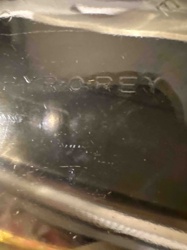
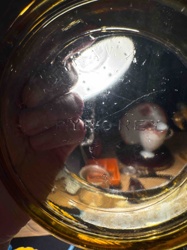
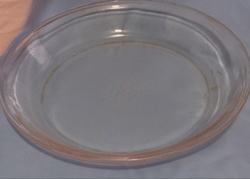
This is a circular, tube-style metal baking mold, traditionally known as a 'Kuchen Form' or Gugelhupf pan. It is constructed from a non-ferrous metal, likely aluminum or tinned steel, exhibiting a dull, aged silver-colored patina. The pan features a prominent central chimney or tube, designed to ensure even heat distribution for dense cake batters. The exterior has a slightly fluted or rounded profile, characteristic of mid-20th-century kitchenware. The surface shows visible signs of age and utility, including localized darkening, minor spotting, and surface scuffs typical of vintage metalware. There is a rolled rim at the top edge for structural reinforcement. No specific maker’s marks are visible in the present view, but such items from the early-to-mid 1900s often featured stamped size numbers on the base or rim. The craftsmanship is utilitarian and robust, built for heavy domestic use. Its condition appears fair to good for its age, with a well-earned patina that indicates it has been used for baking over several decades. The item likely dates from the 1940s to the 1960s, a period when these heavy-duty metal forms were standard in European and North American households.
AI Appraisal Report

·AI can make mistakes·Verify before acting
I have carefully examined the provided images of this vintage 'Kuchen Form' or Gugelhupf pan. Based on its visual characteristics, this item appears to be a mid-20th-century utilitarian baking mold, likely made of aluminum or tinned steel. The rolled rim and central chimney indicate a 1940s–1960s manufacture, consistent with mass-produced kitchenware of that era. I observed a significant, authentic patina characterized by darkening and oxidation, which confirms it has seen decades of domestic use. Such wear is typical for honest vintage kitchenware and does not significantly detract from its decorative value, though it may require specific treatment if intended for modern culinary use. The current market for vintage bakeware is stable, driven largely by 'farmhouse' aesthetic enthusiasts rather than high-end collectors. Similar unbranded aluminum molds frequently sell at antique malls and online auctions within the $20 to $50 range depending on size and weight. Because there are no visible maker’s marks (such as Nordic Ware or Griswold), the value remains in the decorative and functional category rather than the collectible brand category. Limitations: My assessment is based solely on digital images. Without an in-person inspection, I cannot confirm the specific metal alloy or check for structural integrity issues like pinhole corrosion or warping. A full authentication would require a physical examination to search for faint stamps on the chimney interior or base, as well as a lead-swab test to ensure the tinning remains safe for food. Provenance documentation regarding its country of origin (e.g., German vs. American manufacture) would further refine its historical context.

Get your items appraised

Instant estimates of your treasures with AI-powered appraisals

Browse More Appraisals