AI identification & appraisal estimate

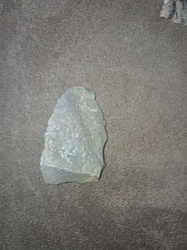
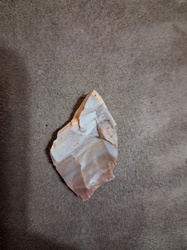
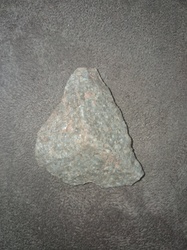
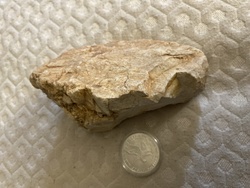
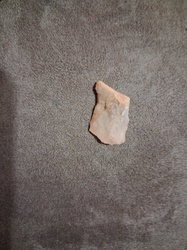
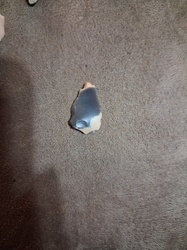
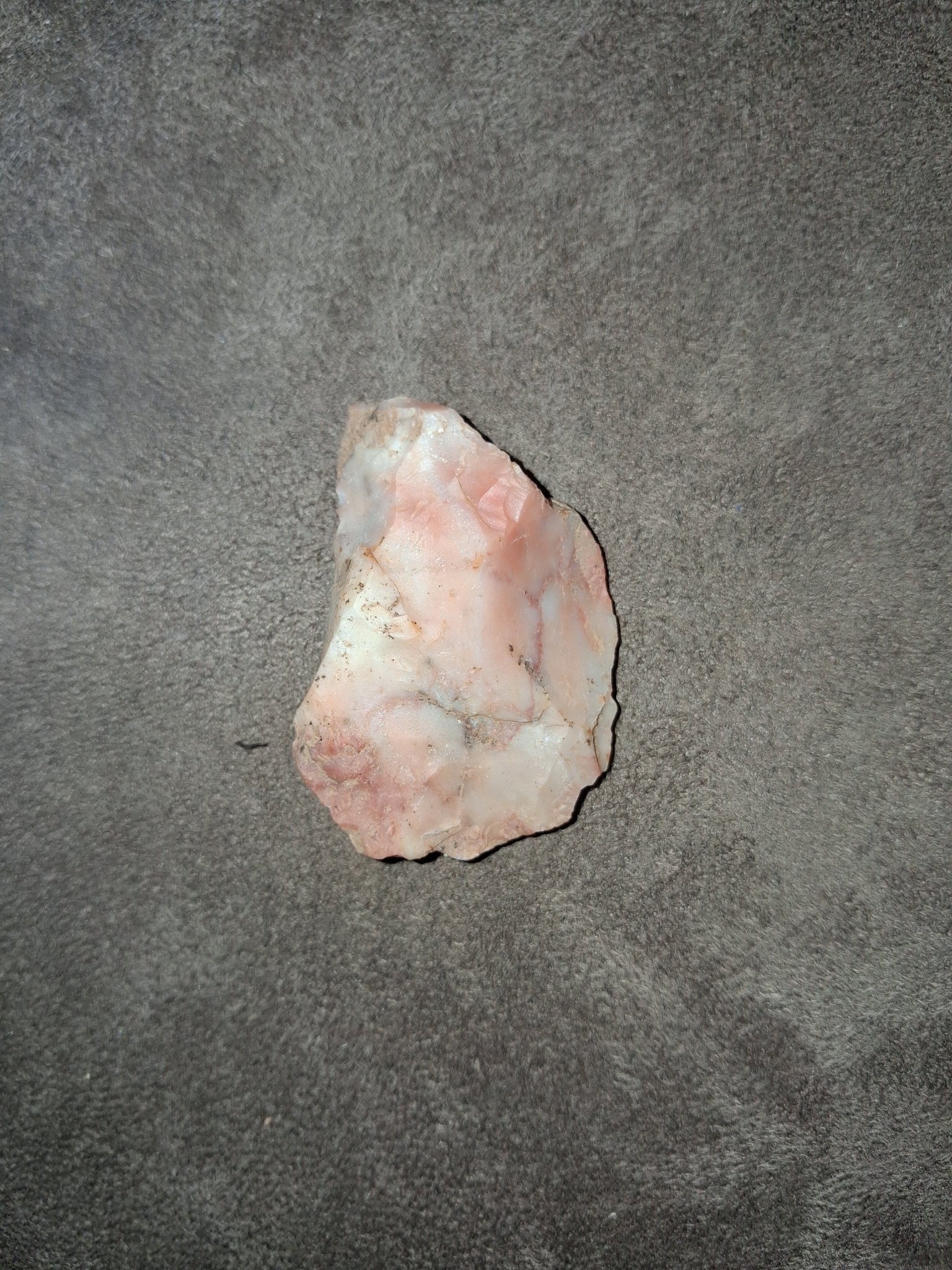
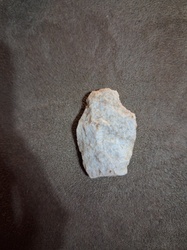
Knapped Pink Chert Stone Tool

Submitted photo of Knapped Pink Chert Stone Tool
Photo submitted by the user — not generated by AI

AI Estimated Value

Not an official valuation

$150-$300

AI estimate as of September 20, 2026 · verify with a professional before acting

AI-Generated · Verify before acting

Everything on this page is generated by AI for informational purposes only. AI can make mistakes — the AI may misidentify items or misattribute them (artist, maker, brand, designer, origin, era). This is not an official valuation and should not be used for insurance, sale, tax, estate, legal, or lending purposes — or any decision requiring a certified appraisal. It is not an authoritative claim about any person, brand, or rights holder — do not share or rely on it as a factual statement about a third party. Always consult qualified professionals before making financial decisions.

Read the full disclaimer

AI Item Analysis

This specimen appears to be a prehistoric chipped stone artifact, likely a debitage flake or an unfinished biface tool commonly referred to as a preform or scrap. The stone is composed of a microcrystalline quartz variety, specifically a light pink and milky white chert or flint with natural color variations and subtle mottling throughout. Physical examination of the edges reveals deliberate conchoidal fracturing and flaking scars along the perimeter, which are consistent with primitive knapping techniques used historically for tool production. There are minor earthy inclusions, dirt, and surface patination settled within the crevices and natural depressions, suggesting the object has been unburied or exposed to the elements for an extended period. The overall shape is irregular, roughly triangular, featuring sharp edges on certain margins and a thicker, bulbous proximal end. There are no maker's marks, stamps, or modern inscriptions visible anywhere on the surface. The identification rests purely on the observable physical characteristics of conchoidal fracture patterns and secondary flaking indicative of lithic reduction, though its exact age and cultural origin remain unverified without professional archaeological context.
AI Appraisal Report

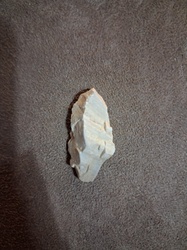
Based on what I can see in the provided image, this specimen appears to be a prehistoric chipped stone artifact, likely a debitage flake or an unfinished biface tool composed of a light pink and milky white chert. The visible perimeter exhibits conchoidal fracturing and flaking scars consistent with primitive lithic reduction, along with minor earthy inclusions and surface patination in the crevices. However, I can't verify from a photo alone whether the lithic reduction is ancient or modern, as replication knapping can produce remarkably similar results. I would need physical inspection to confirm the geological properties and wear patterns. Assuming the assumed identification as a genuine prehistoric artifact is correct, pieces of this type generally trade in the $150 to $300 range, driven by collector demand for surface-collected Native American or prehistoric stone tools. If physical examination, scientific testing, or professional archaeological context reveals that the piece is a modern reproduction, replica, or knapping practice piece rather than an ancient artifact, the value would drop significantly to a nominal study-piece value of $10 to $25. To fully establish the nature and potential value of the item, an in-person examination by a qualified lithic specialist or archaeologist is recommended.

Keep exploring

More archaeological artifacts appraisals

Get your items appraised

Instant AI-powered appraisal estimates from a photo

Browse More Appraisals