AI identification & appraisal estimate

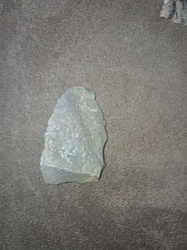
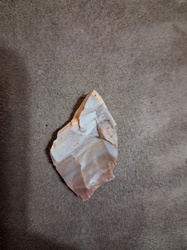
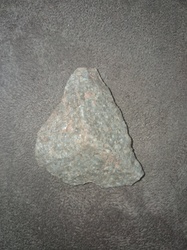
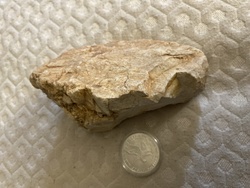
Flaked stone artifact (unauthenticated)

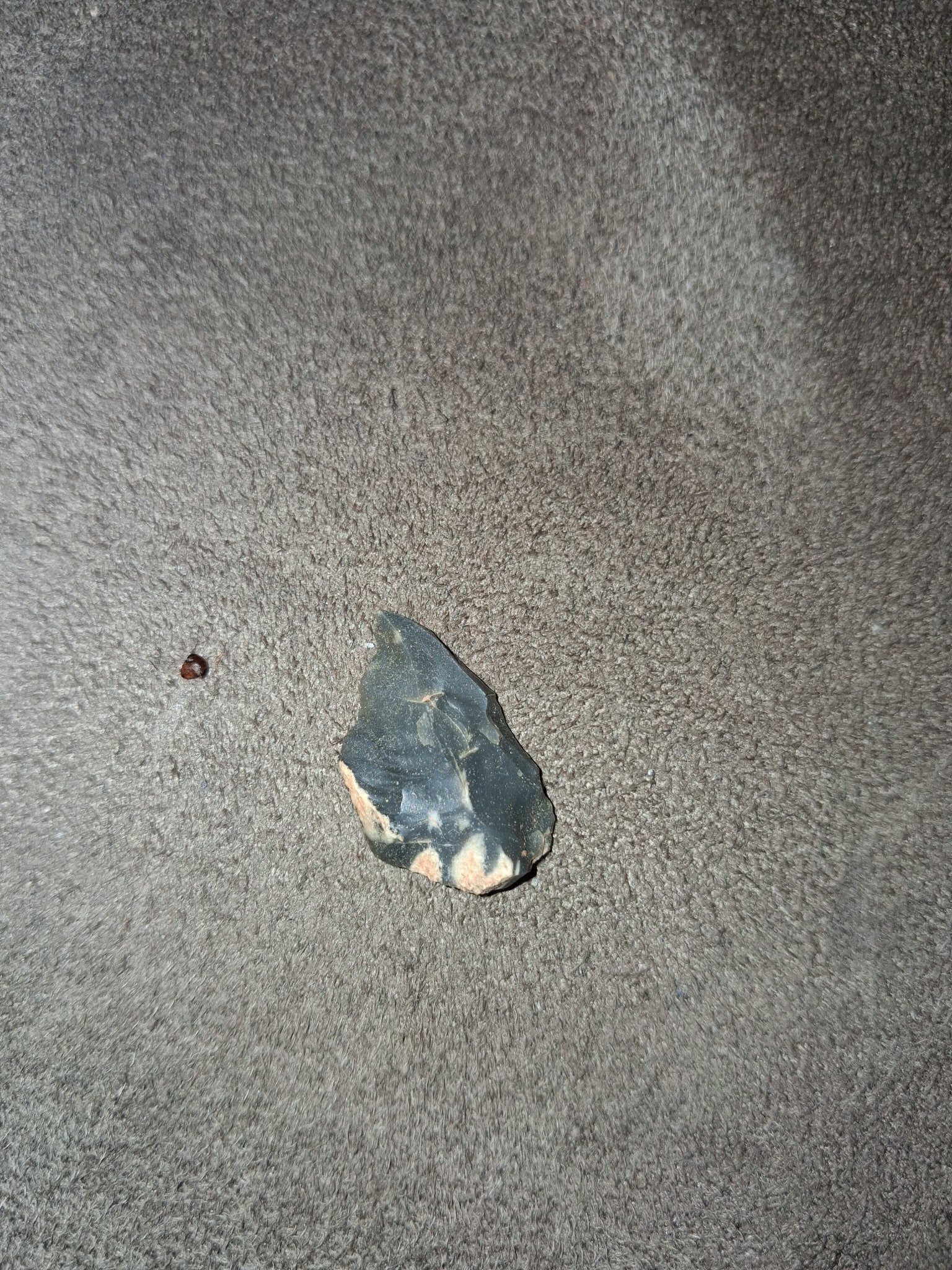
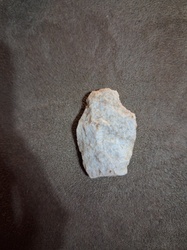
Submitted photo of Flaked stone artifact (unauthenticated)
Photo submitted by the user — not generated by AI

AI Estimated Value

Not an official valuation

$50-$150

AI estimate as of September 20, 2026 · verify with a professional before acting

AI-Generated · Verify before acting

Everything on this page is generated by AI for informational purposes only. AI can make mistakes — the AI may misidentify items or misattribute them (artist, maker, brand, designer, origin, era). This is not an official valuation and should not be used for insurance, sale, tax, estate, legal, or lending purposes — or any decision requiring a certified appraisal. It is not an authoritative claim about any person, brand, or rights holder — do not share or rely on it as a factual statement about a third party. Always consult qualified professionals before making financial decisions.

Read the full disclaimer

AI Item Analysis

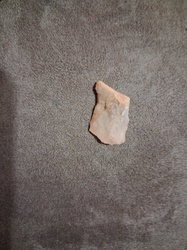
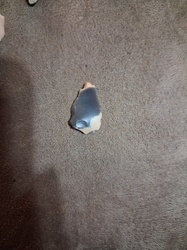
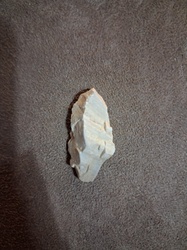
The object is a small piece of dark, fine-grained stone, possibly chert, flint, or a similar cryptocrystalline silicate mineral, resting on a textured brownish-grey surface. The stone displays irregular shapes with sharp edges and conchoidal fracturing characteristic of lithic reduction, featuring areas of smooth dark grey to black surfaces juxtaposed with lighter tan or beige patches, particularly along the bottom edge where cortex or weathering may be present. There are no maker marks, signatures, or inscriptions visible on the surface. The physical characteristics display features consistent with chipped stone tools or debitage, often associated with prehistoric stone knapping activities, although a definitive function, cultural affiliation, or exact age cannot be verified from the visual evidence alone. The identification as a flaked stone artifact rests entirely on the visual presence of flake scars and working edges, and the item remains unauthenticated by professional archaeological analysis. The surface condition shows normal micro-wear along the edges, but further handling and physical examination would be necessary to determine its context and origin.
AI Appraisal Report

Based on what I can see in the provided image, this object presents as a small piece of dark, fine-grained cryptocrystalline silicate mineral displaying irregular shapes, sharp edges, and conchoidal fracturing consistent with lithic reduction or chipped stone tools. However, I cannot verify from a photo alone whether this is a genuine prehistoric artifact, modern debitage, or a replica produced for educational or decorative purposes. A physical inspection by a qualified archaeologist or lithic specialist would be needed to examine micro-wear patterns, striking platforms, and material source context to help evaluate its nature. Assuming the working hypothesis that this represents a genuine unprovenanced surface-find lithic artifact, items of this type generally trade in a modest market range due to the lack of documented archaeological context and provenance, typically commanding between $50 and $150 among casual collectors. If the item were determined to be a modern reproduction, replica, or knapping practice piece, its commercial value would drop significantly, likely to little more than a nominal educational curiosity worth under $20. Conversely, if it possessed documented, legal provenance linking it to a known site, its value could be somewhat higher, though unprovenanced surface finds remain the most common and least expensive category in the antiquities market. Any transaction or investment should be contingent upon professional in-person physical examination and adherence to local cultural heritage laws.

Keep exploring

More archaeological artifacts appraisals

Get your items appraised

Instant AI-powered appraisal estimates from a photo

Browse More Appraisals