AI Appraisal Estimate

AI-generated estimates · not official valuations

From the user

What was submitted

Photo and notes provided by the user — not generated by AI

Submitted item photo
Submitted photo · June 19, 2026

User's notes

Fine crystal

AI analysis below

AI appraisal

AI analysis & estimate

AI-Generated · Verify before acting

Everything below is generated by AI for informational purposes only. AI can make mistakes — the AI may misidentify items or misattribute them (artist, maker, brand, designer, origin, era). This is not an official valuation and should not be used for insurance, sale, tax, estate, legal, or lending purposes — or any decision requiring a certified appraisal. It is not an authoritative claim about any person, brand, or rights holder — do not share or rely on it as a factual statement about a third party. Always consult qualified professionals before making financial decisions.

Note

This analysis also relies on unverified notes provided by the user, which may be incomplete or inaccurate and could affect the result.

Read the full disclaimer

AI Identification

·Not independently authenticated·Verify before acting

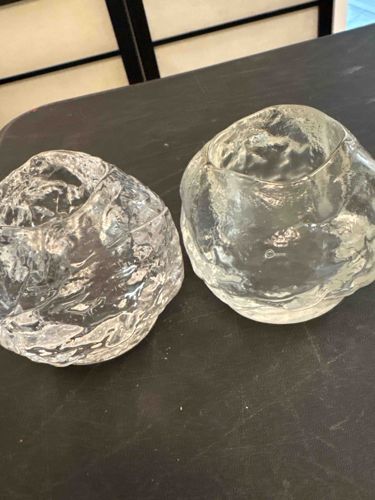
Orrefors 'Snowball' Crystal Votive Candle Holders

Vintage Glassware and Decorative Arts

AI Estimated Value

·Not an official valuation·Verify before acting

$30 - $60

As of June 19, 2026

AI Item Analysis

·AI can make mistakes·Verify before acting
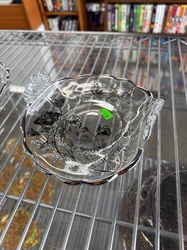
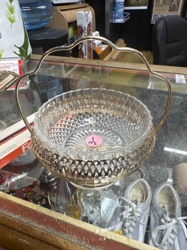
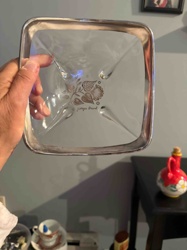
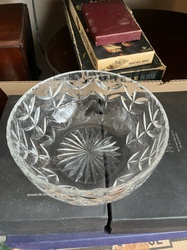
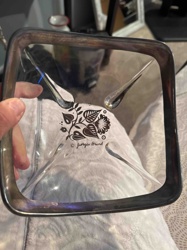
This is a pair of Swedish fine crystal candle holders, specifically the iconic 'Snowball' design created by Ann Wolff (formerly Wärff) for Orrefors in 1973. Each vessel is constructed from heavy, high-quality lead crystal, finished with a distinctive textured, irregular exterior that mimics the appearance of a hand-formed snowball or melting ice. The items are colorless and transparent, boasting excellent light-distracting architectural properties typical of Scandinavian Mid-Century Modern and late 20th-century glassware. The interiors feature a smooth, cylindrical cavity designed to hold a standard tea light or votive candle. The craftsmanship is evident in the weight of the crystal and the organic, 'iced' texture which provides a soft, diffused glow when illuminated. Notable features include the uneven, craggy surface and the solid, stable circular base. Both pieces appear to be in excellent used condition with no visible chips, fractures, or significant surface scratches, maintaining their original brilliance. While no paper labels are clearly visible in the photo, the right-hand piece shows a small circular mark indicative of the etched Orrefors insignia or an original product sticker. These pieces remain a staple of Swedish glass design and are highly collectible for their timeless, organic aesthetic.
AI Appraisal Report

·AI can make mistakes·Verify before acting
I have examined the images of this pair of Orrefors 'Snowball' crystal votive candle holders, a classic design introduced in 1973 by Ann Wolff (Wärff). Based on the visual evidence, these appear to be authentic examples of this iconic Swedish glassware. The irregular, craggy texture mimicking ice is distinctively consistent with genuine Orrefors production, known for its heavy, high-quality full lead crystal. The clarity of the glass in the photos suggests they have maintained their brilliance, and the lack of visible chips or fractures supports the assessment of excellent condition. Market conditions for the 'Snowball' votive are robust but saturated. Because this design has been in near-continuous production for decades due to its popularity, thousands of examples exist in the secondary market. They are classic staples of Scandinavian mid-century modern décor rather than rare collector's pieces. Comparables regularly sell on platforms like eBay and Etsy in the range of $15–$30 per piece, depending on size (Orrefors produced three standard sizes) and presence of original packaging. A pair typically commands slightly less than the sum of individual prices. Authenticity relies heavily on weight and the specific tactile quality of the 'ice' texture, which is difficult to replicate perfectly in cheaper press-glass copies. While the visual details—such as the potential etched mark mentioned—strongly point to authenticity, I cannot feel the weight or inspect the base for the specific diamond-point signature often found on earlier vintage examples without a physical inspection. Verification of the specific vintage (1970s vs. modern production) would require examining the exact logo etiquette or base manufacturing marks in person.

Get your items appraised

Instant estimates of your treasures with AI-powered appraisals

Browse More Appraisals