AI Appraisal Estimate

AI-generated estimates · not official valuations

From the user

What was submitted

Photo and notes provided by the user — not generated by AI

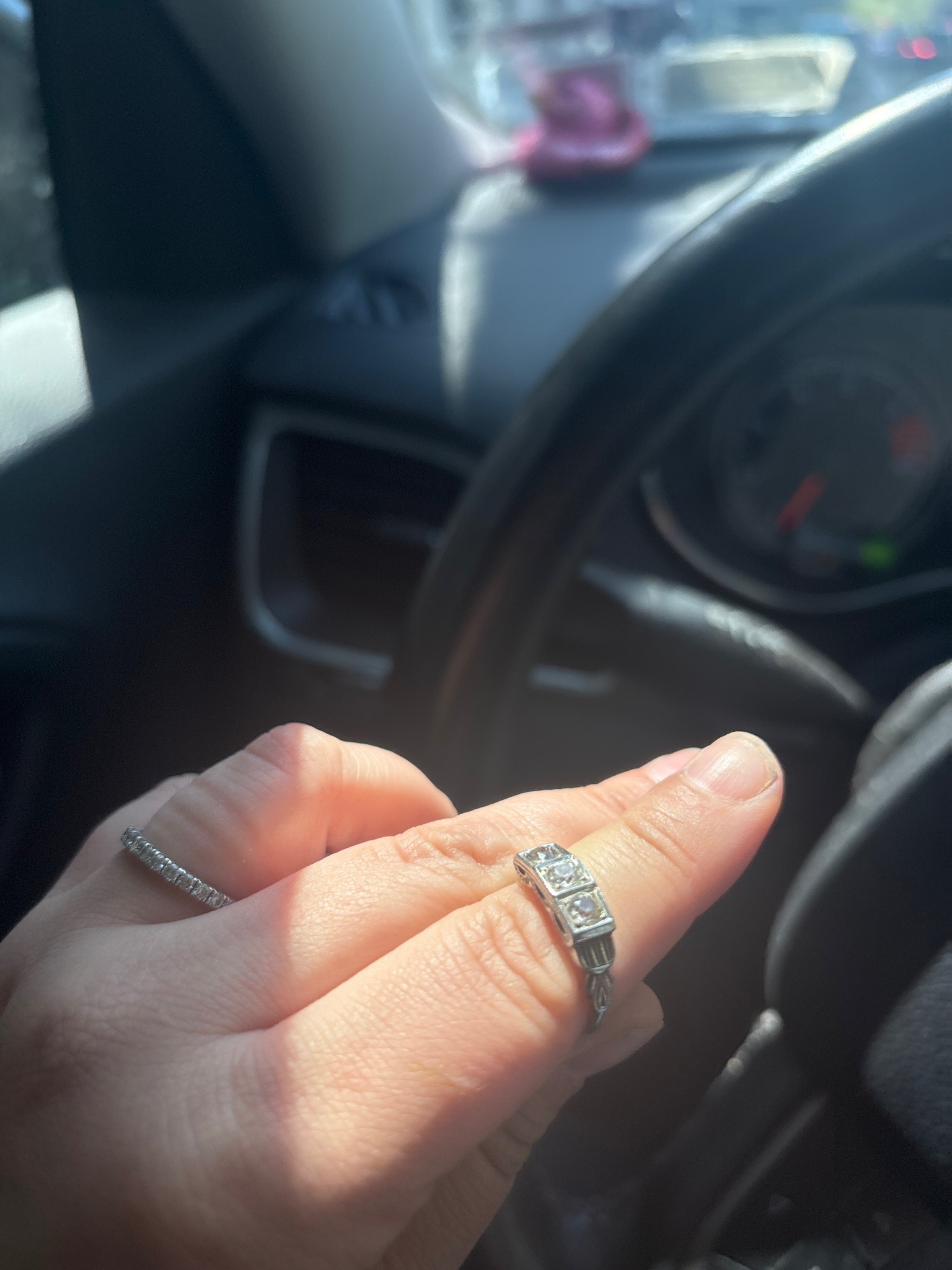
Submitted item photo
Submitted photo · May 30, 2026

User's notes

No additional notes provided.

AI analysis below

AI appraisal

AI analysis & estimate

AI-Generated · Verify before acting

Everything below is generated by AI for informational purposes only. AI can make mistakes — the AI may misidentify items or misattribute them (artist, maker, brand, designer, origin, era). This is not an official valuation and should not be used for insurance, sale, tax, estate, legal, or lending purposes — or any decision requiring a certified appraisal. It is not an authoritative claim about any person, brand, or rights holder — do not share or rely on it as a factual statement about a third party. Always consult qualified professionals before making financial decisions.

Read the full disclaimer

AI Identification

·Not independently authenticated·Verify before acting

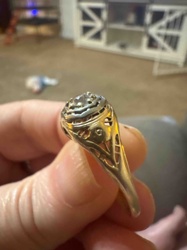
Vintage Art Deco Three-Stone Platinum or White Gold Diamond Ring

Fine Jewelry / Antique & Vintage Rings

AI Estimated Value

·Not an official valuation·Verify before acting

$1,800 - $2,400

As of May 30, 2026

AI Item Analysis

·AI can make mistakes·Verify before acting
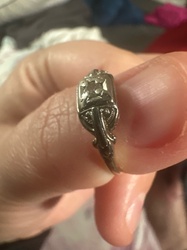
This is a vintage three-stone ring, typical of the late Art Deco or early Retro period (circa 1930s-1940s). The ring features three round-cut diamonds, most likely Old European or transitional cuts, grain-set into square-shaped illusion box settings. This architectural style was popular for maximizing the perceived size and brilliance of the stones. The mounting is crafted from a bright white metal, which, given the era and color, is likely either 14k-18k white gold or platinum. The gallery and shoulders of the ring exhibit fine open-work and geometric, tiered 'skyscraper' detailing, a hallmark of Art Deco design. The shank appears to have delicate engraving or milgrain work that has softened over time. Regarding condition, the metal shows signs of honest wear with a light patina and softening of the sharp edges of the settings. The prongs appear mostly intact, though the milgrain on the bezel edges shows moderate smoothing. No specific maker's marks are visible from this orientation, but the high-quality craftsmanship, characterized by the clean geometric lines and precise stone seating, suggests a skilled jeweler. The central stone is flanked by two slightly smaller side stones, creating a balanced and classic three-stone silhouette.
AI Appraisal Report

·AI can make mistakes·Verify before acting
Based on my visual examination of this Art Deco three-stone ring, I have assessed it as a fine example of 1930s-1940s craftsmanship. The architectural 'skyscraper' gallery and transitional-cut diamonds characterize the period's transition toward more geometric, bold forms. In today’s market, there is a sustained premium for Art Deco engagement rings, as buyers increasingly prioritize sustainability and the unique character of hand-cut stones over modern equivalents. The condition is 'Good-Vintage,' showing honest wear consistent with age. The softening of the milgrain and the patina on the metal indicate this piece was cherished and worn, which many collectors prefer over over-polished restorations. The use of illusion settings significantly enhances the visual presence of the diamonds, a technique highly valued in the 'bridge' period between the Great Depression and the Post-War era. However, there are significant limitations to a digital appraisal. I cannot definitively distinguish between .900 platinum and 18k white gold without a nitric acid test or XRF scanning. Furthermore, the exact carat weight, color, and clarity of the stones are estimated by site; a physical inspection using a master stone set and a 10x jeweler’s loupe is required to confirm if the stones are eye-clean or possess minor inclusions common in transitional cuts. For a full insurance-grade authentication, I would require a physical review of the interior shank for 'PLAT' or '18K' hallmarks and a measurement of the stones with a Leveridge gauge. Despite these variables, the design’s integrity and historical appeal place it firmly in the specified value range for high-end vintage retail markets.

Get your items appraised

Instant estimates of your treasures with AI-powered appraisals

Browse More Appraisals