AI identification & appraisal estimate

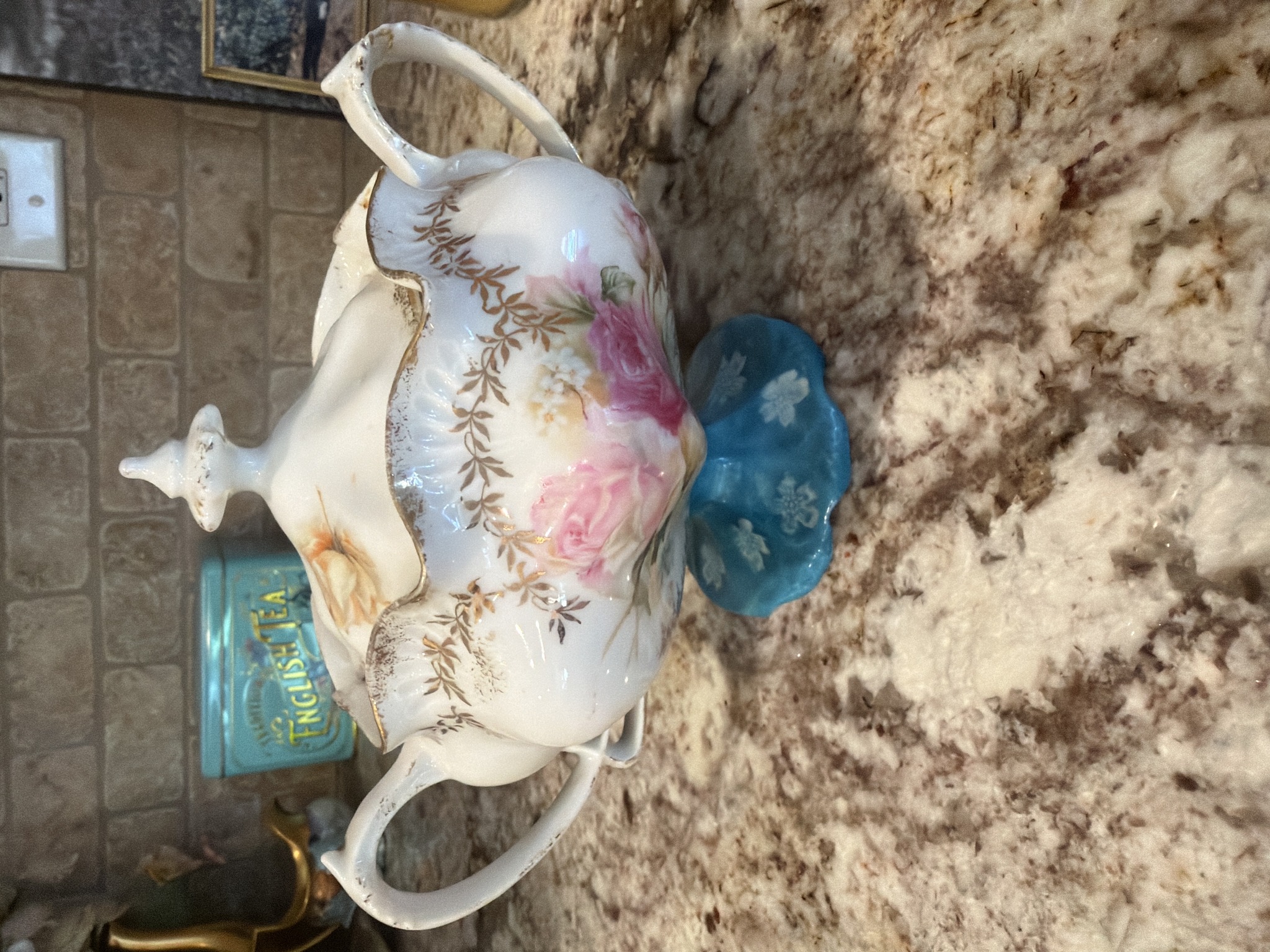
Late Victorian Hand-Painted Porcelain Lidded Sugar Bowl

Submitted photo of Late Victorian Hand-Painted Porcelain Lidded Sugar Bowl
Photo submitted by the user — not generated by AI

AI Estimated Value

Not an official valuation

$45.00 - $75.00

AI estimate as of May 6, 2026 · verify with a professional before acting

AI-Generated · Verify before acting

Everything on this page is generated by AI for informational purposes only. AI can make mistakes — the AI may misidentify items or misattribute them (artist, maker, brand, designer, origin, era). This is not an official valuation and should not be used for insurance, sale, tax, estate, legal, or lending purposes — or any decision requiring a certified appraisal. It is not an authoritative claim about any person, brand, or rights holder — do not share or rely on it as a factual statement about a third party. Always consult qualified professionals before making financial decisions.

Read the full disclaimer

AI Item Analysis

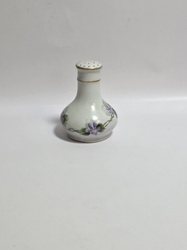
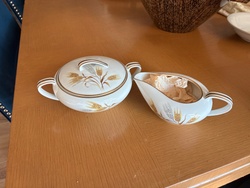
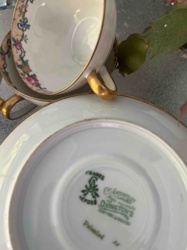
This is a fine-quality, hand-painted porcelain sugar bowl, likely dating from the late 19th century to early 20th century (Victorian or Edwardian era). It features a curvilinear, bulbous body with a scalloped rim and two dainty, C-scroll loop handles. The white translucent porcelain base is decorated with lush, transfer-printed and hand-enhanced cabbage roses in shades of pink, yellow, and blush. Ornate gold-gilt foliage scrolls frame the floral motif, adding a layer of opulent texture. The lid is topped with a distinctively shaped finial that echoes the scalloped aesthetic of the bowl. Notably, the piece sits atop a contrasting teal or robin's egg blue pedestal base with a ruffled edge and small white floral accents, suggesting it may have been part of a set or reflects the eclectic 'shabby chic' Victorian style. The condition shows heavy gold loss and rubbing on the gilt edges and finial, as well as minor scuffs on the porcelain body, consistent with its age and use. There are no immediate signs of large cracks or repairs visible, though crazing might be present upon closer inspection. The craftsmanship is characteristic of high-end European manufactories from Germany, Austria, or France.
AI Appraisal Report

Based on my visual examination, this late 19th-century sugar bowl is a charming example of Victorian floral porcelain, likely produced by a Central European manufactory such as RSC Prussia or a Bavarian house. The hand-enhanced rose transfers and ornate C-scroll handles are characteristic of the 1890-1910 period. However, the condition significantly impacts the valuation: the heavy gilt loss on the handles, finial, and scalloped rim suggests frequent household use and diminishes the 'cabinet grade' status serious collectors seek. The teal-blue pedestal base is a curious feature; while it adds aesthetic contrast, it may indicate a marriage or a specific provincial style rather than a standard factory set piece. The current market for Victorian floral porcelain is soft, as 'shabby chic' trends have stabilized and younger collectors favor more minimalist or documented art-deco styles. High-end collectors typically hold out for pieces with 90% or better gilt retention. A definitive appraisal is limited by the lack of visible maker's marks or backstamps in the provided images. To confirm this valuation and verify authenticity, a physical inspection is required to check for 'invisible' restorations (UV light test), feel for professional repairs on the delicate handles, and identify the specific factory mark. Provenance documentation, such as an original bill of sale or family ledger, would also enhance historical value. Without a physical touch-test for weight and translucency, I cannot rule out later 20th-century reproductions, though the wear patterns suggest genuine age.

Keep exploring

More antique porcelain tableware appraisals

Get your items appraised

Instant AI-powered appraisal estimates from a photo

Browse More Appraisals